

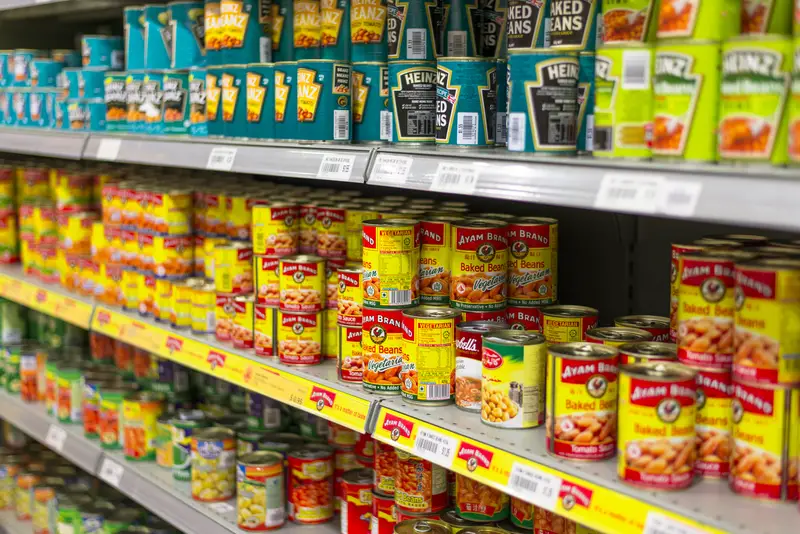
Walking down the canned food aisle can feel overwhelming with endless rows of brightly colored labels promising convenience and long shelf life. While Napoleon Bonaparte helped kickstart the canning revolution to feed his armies, not every canned product deserves a spot in your pantry today. Professional chefs who work with food daily have strong opinions about which canned items actually deliver on taste and quality versus those that fall flat.
Canned corn tastes waxy and loses its crunch
Fresh corn on the cob brings that perfect sweet crunch that makes summer meals memorable, but canned corn tells a completely different story. The kernels lose their natural juiciness and develop an artificial, waxy coating that coats your mouth in an unpleasant way. Professional chefs consistently avoid canned corn because the texture becomes mushy and the natural sweetness gets replaced with a tinny, processed taste that no amount of seasoning can fix.
When corn season ends, frozen corn becomes the better choice over canned versions. Flash-frozen corn gets picked, processed, and frozen within 10 hours, locking in that peak-season quality. The freezing process preserves the kernel’s structure much better than the heat treatment used in canning. If canned corn is your only option, blend it into chowders or soups where its mushiness becomes less noticeable and other ingredients can mask the artificial taste.
Canned soup packs way too much sodium
That comforting bowl of canned soup might seem like the perfect quick meal, but most varieties contain shocking amounts of sodium that can make your blood pressure monitor beep in alarm. A single serving often contains nearly half your daily sodium allowance, and the overcooked vegetables floating in the broth taste more like salty mush than actual food. The preservatives and artificial ingredients create an artificial taste that experienced chefs describe as fake and overwhelming.
Instead of reaching for canned soup, make a large batch of homemade soup and freeze it in individual portions. Professional chefs recommend avoiding creamy soups for freezing since dairy can separate and become grainy when reheated. Simple chicken noodle, vegetable, or bean soups freeze beautifully and taste infinitely better than their canned counterparts. The extra effort upfront pays off with better taste, lower sodium, and no artificial preservatives.
Canned asparagus turns completely mushy
Asparagus spears should have a satisfying snap when cooked properly, but canned asparagus resembles baby food more than a respectable vegetable. The high-heat canning process completely breaks down the vegetable’s cellular structure, creating limp, gray-green spears that fall apart at the slightest touch. Even the most skilled chef cannot restore the crisp texture that makes asparagus appealing in the first place.
Fresh asparagus requires minimal preparation and cooks quickly, making it an easy choice when it’s in season. Restaurant chefs refuse to serve canned asparagus because the texture cannot be salvaged through any cooking method. When fresh asparagus becomes expensive or hard to find, frozen asparagus offers a much better alternative that maintains some structural integrity when cooked properly.
Fruit cocktail swimming in sugar syrup
Those colorful chunks of fruit floating in heavy syrup might look appealing, but they contain more sugar than many desserts. The canning process strips away most of the natural vitamins and fiber that make fresh fruit beneficial, leaving behind mushy pieces that taste more like candy than actual fruit. Even varieties labeled as “no sugar added” often contain artificial sweeteners that can upset your stomach and leave an unpleasant aftertaste.
Fresh fruit costs more initially but provides significantly better nutrition and taste without the unnecessary added sugars. When fresh options aren’t available, frozen fruit maintains much of its original texture and nutritional value. Frozen fruit works perfectly for smoothies, baking, or eating straight from the bag once thawed, without the syrupy coating that makes canned fruit cocktail so problematic.
White tuna contains dangerous mercury levels
While regular canned tuna makes excellent tuna salad and provides convenient protein, white tuna presents a different problem entirely. White tuna, typically made from albacore, contains nearly three times more mercury than other tuna varieties. This higher mercury content can cause serious problems if consumed regularly, especially for pregnant women and children who are more sensitive to mercury exposure.
Light tuna varieties offer the same convenience and protein benefits without the elevated mercury risk. Regular canned tuna works just as well for sandwiches, salads, and casseroles while providing safer mercury levels for regular consumption. Check the label to make sure you’re buying light tuna instead of white or albacore varieties, especially if tuna appears frequently in your meal rotation.
Canned mushrooms lose all their texture
Fresh mushrooms provide that perfect chewy texture and earthy taste that makes them such a popular ingredient in countless dishes. Canned mushrooms, however, become slimy and rubbery, losing everything that makes mushrooms appealing in the first place. The high-heat processing required for canning completely destroys the mushroom’s natural structure, leaving behind pieces that feel more like wet rubber than actual food.
Most grocery stores carry fresh button mushrooms year-round at reasonable prices, making canned versions completely unnecessary. Professional chefs recommend fresh shiitake or button mushrooms that cost only slightly more than canned versions but provide infinitely better results. Even dried mushrooms, when rehydrated properly, maintain better texture and more concentrated taste than their canned counterparts.
Canned refried beans pack excessive sodium
Regular dried beans transform into nutritious, protein-packed meals, but canned refried beans strip away the bean’s dignity and nutritional value. These mushy, paste-like products contain enough sodium to preserve ancient artifacts, plus added fats often in the form of lard or hydrogenated oils. The texture resembles baby food more than actual beans, and the excessive salt content masks any natural bean taste that might have survived the processing.
Making refried beans from scratch takes minimal effort and produces dramatically better results. Canned versions often contain unhealthy trans fats and preservatives that homemade versions avoid entirely. Regular canned whole beans can be mashed at home with much better control over salt, fat, and seasoning levels, creating a healthier and more appetizing final product.
Canned pasta tastes like processed chemicals
Those childhood memories of SpaghettiOs might bring back nostalgia, but canned pasta products represent some of the worst processed food available today. The pasta becomes mushy and flavorless while swimming in artificially colored sauce loaded with preservatives, sodium, and unhealthy fats. The bright orange color comes from artificial dyes rather than actual tomatoes, and the taste resembles chemicals more than real Italian food.
Cooking real pasta takes less than 15 minutes and costs significantly less than canned alternatives. Fresh pasta with simple marinara sauce provides infinitely better nutrition and taste without the excessive processing and artificial ingredients. Even the cheapest dried pasta from the grocery store produces better results than any canned pasta product, making these processed options completely unnecessary for any kitchen.
Canned peas turn gray and lifeless
Fresh peas pop with bright green color and sweet crunch, but canned peas look more like small gray balls floating in murky water. The thermal processing required for canning transforms their vibrant appearance into something that looks unappetizing and tastes even worse. The heat treatment destroys both the natural sweetness and the satisfying texture that makes peas enjoyable to eat in the first place.
Frozen peas capture peak-season quality through flash-freezing that preserves both color and nutritional value much better than canning. Restaurant chefs consistently choose frozen peas over canned versions because they maintain their bright green color and sweet taste. Frozen peas also cook quickly and work perfectly in soups, salads, and side dishes without the unappetizing appearance of their canned counterparts.
Smart shopping means knowing when convenience comes at too high a cost in terms of taste and quality. These canned foods represent the worst examples of food processing, where the original ingredients become nearly unrecognizable after manufacturing. Fresh and frozen alternatives typically cost about the same while delivering dramatically better results that make your meals more enjoyable and satisfying.
