

About 1 in 10 restaurants in America now serve Mexican food. That’s a staggering number, and it means millions of people are sitting down at Mexican restaurants every single week. Most of them are great customers. But some of them? They’re driving the staff absolutely nuts.
Servers and kitchen workers at Mexican restaurants across the U.S., Mexico, and Canada have been increasingly vocal about the customer habits that make their jobs harder than they need to be. Some of these complaints are universal to all restaurants, but many are specific to the unique traditions and expectations that come with serving Mexican food. Here’s what they want you to know.
Treating The Chip Basket Like An All-You-Can-Eat Buffet
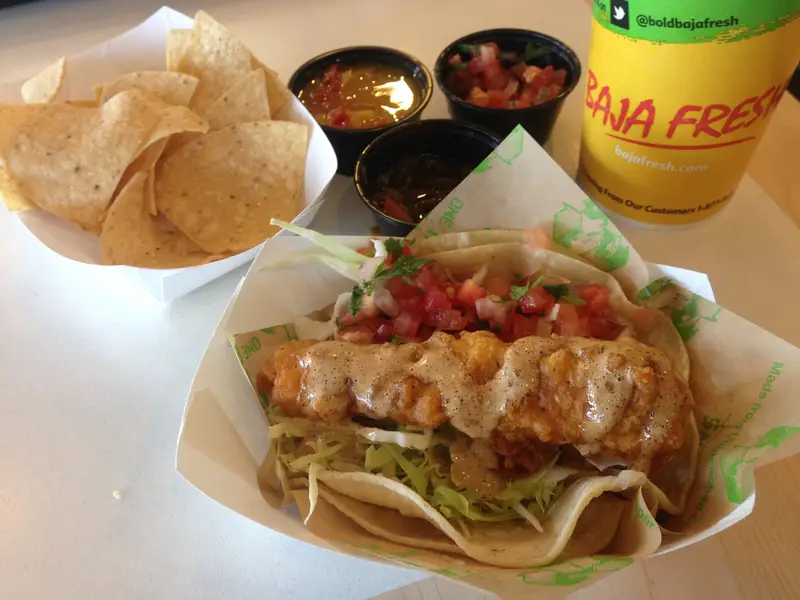
This is the big one. Every Mexican restaurant worker has a version of this story. A table sits down, and before anyone even glances at a menu, they’ve plowed through a basket of chips and salsa. Then another. Then another. Then they order a side salad and a water.
Free chips and salsa is one of the best traditions in American dining. It’s a welcoming gesture, a way to get you settled in while you decide what to eat. But a lot of customers have turned that generosity into a sport. One Mexican restaurant employee put it bluntly on Reddit: “People ask for extra chips and salsa and don’t understand there has to be a limit on something that is FREE or we will lose money.”
Here’s what most people don’t think about: those chips aren’t coming out of a bag from Costco. Many restaurants fry their chips fresh every day. The salsa is made from scratch. That takes labor, ingredients, and time. When a four-top burns through five baskets and orders $22 worth of food, the restaurant might barely break even on that table. Multiply that across a Friday night rush, and you’ve got servers running back and forth to the kitchen for free food instead of taking care of paying orders.
Some restaurants have started quietly putting limits in place — one or two complimentary refills before they start charging. Can you blame them?
Ordering A Quesadilla Without Cheese
This sounds like a joke, but restaurant workers swear it happens constantly. A quesadilla — the word literally comes from “queso,” which is Spanish for cheese — and people order it without cheese.
Staff at Cuates y Cuetes restaurant told reporters this happens way more often than anyone would guess. One server said, “I try to tell people that a quesadilla without cheese is just a taco and that it will still cost the same regardless of whether it has cheese or not, but they don’t care.”
Now, to be fair, in Mexico City specifically, quesadillas sin queso are actually a thing. It’s a regional quirk that even other Mexicans argue about. But in the vast majority of Mexico — and definitely in American Mexican restaurants — the cheese is the entire point. Ordering a quesadilla without cheese is like ordering a pepperoni pizza without the pepperoni. You can do it, but everyone in the kitchen is going to look at each other sideways.
Demanding Everything On The Side
There’s a growing trend of customers walking into Mexican restaurants and asking for their tacos, burritos, and enchiladas with every single ingredient served separately. Not “sauce on the side” — that’s totally reasonable. We’re talking about complete deconstruction. Meat here, cheese there, lettuce in a cup, salsa in a ramekin, tortillas stacked on a plate.
Jose Juan, a server at Langostinos Restaurant & Bar in Puerto Vallarta, said one of his biggest pet peeves is when customers request tacos with everything on the side so they can build the tacos themselves. As he pointed out, that’s fine at your kitchen table. It’s fine at Chipotle, where the whole concept is build-your-own. But a sit-down Mexican restaurant isn’t a DIY assembly station.
Beyond the principle of it, there’s a practical problem: food served separately cools down at different rates. Hot ingredients get cold. Cold ingredients warm up. The careful balance the chef built into the dish falls apart on a bunch of little plates. And in the kitchen, these orders create chaos — extra plating space, extra time, extra confusion during a rush.
Turning Spice Levels Into A Personal Challenge
We all know that person. The one who puffs out their chest and tells the server to make it as hot as possible. The one who treats the spice level menu like a dare. The one who insists they can handle anything.
A server named Miguel at Los Molcajetes restaurant in Puerto Vallarta said he always rolls his eyes at these requests. “So many people ask us to add extra chiles, and we warn them that it won’t taste good, but they insist,” he said. Then he shared a story that should scare anyone with a macho attitude toward heat: “One time we honestly thought we were going to have to call an ambulance for a customer who requested habaneros in his guacamole. He was hyperventilating, sweating, and bright red.”
The real issue isn’t that staff are worried about you being tough enough. It’s that Mexican sauces and spices are designed to complement each other. When you nuke a dish with extra habaneros, you’re not tasting the complex blend of chiles, spices, and aromatics that the chef put together. You’re just tasting pain. And often, the food ends up in the trash because the customer can’t actually eat it.
Asking For Ketchup
Nothing — and I mean nothing — makes a Mexican restaurant worker cringe quite like watching a customer squirt ketchup onto a taco. Or enchiladas. Or really any authentic dish that was made with a specific sauce profile in mind.
Some restaurants have started keeping ketchup off the tables entirely, hoping that customers will give the house-made salsas a shot instead. Staff members say they feel genuinely conflicted about it. They want to provide good service, but seeing a dish they’re proud of drowned in Heinz feels like a rejection of everything they’ve been doing in the kitchen.
Here’s a fun fact that puts this in perspective: Americans have actually been buying more salsa than ketchup every year since 1992. So the country has collectively figured out that Mexican condiments are better — just apparently not everyone at every table. Most Mexican restaurants offer multiple house salsas ranging from mild to face-melting. There’s pico de gallo, salsa verde, guacamole, and often three or four other options right there on the table. Try those first. That’s all they’re asking.
Ordering Breakfast During Dinner Rush
Many Mexican restaurants serve incredible breakfast dishes — chilaquiles, huevos rancheros, things that are absolutely worth waking up for. The key phrase there being “waking up for.”
When someone orders chilaquiles at 7:30 PM on a Saturday, the kitchen groans. One server at Cuates y Cuetes explained it simply: “Most people don’t order chilaquiles or huevos rancheros later in the day, so the kitchen puts away the ingredients for those dishes to make room for lunch and dinner dishes. It’s just too disruptive to pull everything out again to make one or two breakfast dishes.”
Think about it like this — you wouldn’t walk into a steakhouse at 8 PM and order eggs Benedict. During dinner service, the kitchen is set up for dinner. Different stations are active, different ingredients are prepped and within reach, and the grill space is allocated for dinner orders. Pulling out breakfast ingredients means reorganizing the line, adjusting cooking temperatures, and taking up space that’s needed for the 30 other tickets hanging in the window.
The Thing That Bothers Every Restaurant Worker
Beyond the Mexican-specific complaints, there are universal behaviors that drive servers at any restaurant up the wall — and they happen at Mexican restaurants constantly.
The one-thing-at-a-time customer is legendary in restaurant circles. You bring them their salsa, and when you set it down they ask for extra napkins. You bring the napkins, and now they need a refill. You bring the refill, and they want hot sauce. Each request triggers a separate trip to the kitchen. As one experienced server put it: just list everything you need at once so they can get it all in one trip.
Then there’s the customer on their phone when the server comes to take the order — who then acts annoyed at being interrupted. The table that snaps their fingers or whistles to get attention. The group where three people fight over who gets to pay the bill while the server stands there awkwardly holding the check. And the classic: the plate comes back licked clean and the customer says, “I hated it,” expecting a laugh.
Mexican restaurant workers aren’t asking for much. They’re not asking you to be perfect. They’re asking you to treat the free chips as a perk rather than a meal, to trust the chef on spice levels, to understand that a quesadilla has cheese in it, and to maybe — just maybe — put down the ketchup and try the salsa verde. It’s been outselling ketchup for over 30 years for a reason.
