

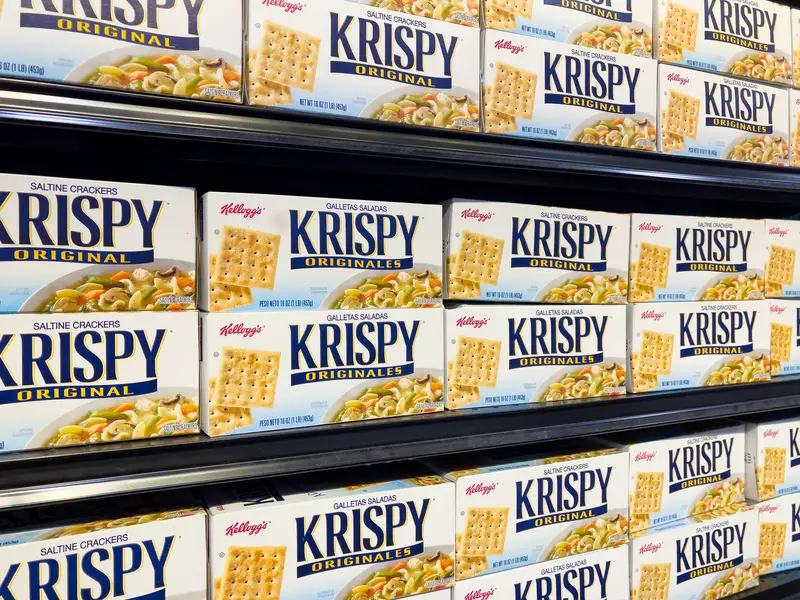
Crackers seem like the most harmless snack in your pantry. They’re what you grab for quick lunches, late-night snacks, or when you need something to go with soup. But over the past few years, several major cracker brands have been pulled from store shelves because of some pretty serious problems. From metal pieces showing up where they shouldn’t be to allergens that weren’t listed on the label, these recalls affected millions of households across America. Some of these crackers might have been sitting in your kitchen cabinet when the recalls happened, and you might not have even known about it.
Oyster crackers had metal fragments in 2025
Earlier this year, Shearer’s Foods pulled more than 15,000 cases of oyster crackers from stores after discovering they might contain stainless steel wire fragments. These weren’t fancy crackers from some specialty store. We’re talking about the everyday brands you find at Walmart, Target, and Giant Eagle. The recalled products included Market Pantry, Great Value, Giant Eagle, and VISTA brands. They were sold in 24 states, which means tons of families had these sitting in their pantries without knowing there could be metal inside.
The FDA upgraded this recall to Class II status, which sounds technical but basically means the crackers could cause temporary health problems or injuries. Nobody wants to bite into a cracker and hit a piece of metal wire. These oyster crackers had best-by dates in May 2025, so if you bought them for soups or chili earlier this year, you should have checked your pantry. The company said customers could return them to stores for refunds, but the real question is how many people actually ate these before hearing about the recall. Metal contamination isn’t something new in food recalls, but it’s definitely not something anyone expects in a simple bag of crackers.
Trader Joe’s multigrain crackers contained metal in 2023
If you shop at Trader Joe’s, you probably grabbed their Multigrain Crackers with sunflower and flaxseeds at some point. They seemed like a healthier snack option, perfect for cheese plates or eating straight from the box. But in August 2023, TreeHouse Foods recalled more than 13,000 cases of these crackers because metal fragments were found inside. That’s almost 200,000 pounds of crackers that had to be pulled from shelves. The crackers were made by TreeHouse Foods, which manufactures lots of private label products for different stores.
Luckily, nobody reported getting hurt from these contaminated crackers at the time of the recall. But that doesn’t make it less concerning when you think about how many boxes probably got eaten before the problem was discovered. This wasn’t even Trader Joe’s only recall issue that summer. The same month, they also pulled cookies that might have contained rocks and soup that could have had insects in it. When you’re shopping for what seems like simple, safe food items, these kinds of recalls remind you that problems can happen anywhere, even at stores people trust.
Publix animal crackers had unlisted coconut allergen
Animal crackers are one of those snacks that seem completely safe for everyone. Parents pack them in lunch boxes, kids eat them as after-school snacks, and they’ve been around forever. So when Toufayan Bakery recalled Publix GreenWise Animal Crackers in 2022, it caught a lot of people off guard. The problem wasn’t something gross or dangerous for most people. But for anyone with a tree nut allergy, these crackers could have caused serious health problems because they contained coconut that wasn’t listed on the label.
The mislabeled crackers were sold at Publix stores across the Southeast, including Florida, Alabama, Georgia, and several other states. Tree nut allergies can be severe, and people who are allergic rely on ingredient labels to keep themselves safe. When those labels are wrong, it puts people at real risk. The company blamed the problem on a temporary breakdown in their production and packaging processes. That’s a pretty vague explanation when you think about how many eight-ounce pouches of these crackers went out to stores before anyone caught the mistake.
Back to Nature crackers contained hidden dairy
Back to Nature makes a big deal about their products being clean and simple. Their Cheddalicious Cheese Flavored Crackers are supposed to be completely vegan, with no actual cheese or dairy ingredients. That’s a selling point for people who avoid dairy, whether because of allergies, dietary choices, or lactose intolerance. But in 2022, B&G Foods had to recall certain batches of these crackers because they actually contained milk and eggs, neither of which were listed on the package.
This kind of mislabeling is dangerous for people with food allergies and frustrating for people who specifically bought these crackers because they were supposed to be dairy-free. The recalled products went to 13 states, including California, New York, Florida, and Texas. Nobody reported getting sick from eating these crackers, but that’s just luck. When someone with a severe milk allergy eats something with undeclared dairy, they can end up in the hospital. The company issued the recall out of an abundance of caution, which sounds responsible, but it doesn’t change the fact that the wrong crackers ended up in the wrong boxes in the first place.
Simple Mills almond crackers had wrong labels
Simple Mills is another brand that markets itself to health-conscious shoppers. Their products are gluten-free and made with almond flour instead of regular wheat flour. In 2021, they recalled their Fine Ground Sea Salt Almond Flour Crackers after discovering that some boxes were mislabeled. The boxes said they contained the sea salt variety, but inside were actually Farmhouse Cheddar crackers, which contain milk. This wasn’t just a printing error on a few boxes. It was a packaging mix-up that could have been deadly for someone with a severe dairy allergy.
A customer who noticed the mistake alerted the company, which led to the recall. One person did report having mild symptoms after eating the mislabeled crackers. But it could have been much worse. People with food allergies check labels carefully and trust that what’s written on the box matches what’s inside. When that basic trust gets broken, it makes grocery shopping stressful instead of simple. This recall shows how one packaging error can put people at risk, especially when the products look nearly identical on the outside but have completely different ingredients inside.
Ritz Bits had potential salmonella contamination
Ritz crackers have been around since 1934 and they’re one of the most recognizable snack brands in America. So when Mondelēz Global recalled 16 varieties of Ritz Cracker Sandwiches and Ritz Bits in 2018, it got national attention. The problem was potential salmonella contamination in the whey powder that was used to make the crackers. Salmonella is no joke. It causes over a million illnesses every year in the United States, and kids under five are especially at risk.
The recall included the popular sandwich-style Ritz varieties and the individually packaged cups and bags of cheese-flavored Ritz Bits. These are the exact products parents put in kids’ lunch boxes and keep in the pantry for snacks. At the time of the recall, no one had reported getting sick from the crackers, but the company told people to throw them away immediately just to be safe. The recall covered products sold in the United States, Puerto Rico, and the U.S. Virgin Islands. When you think about how many households buy Ritz crackers regularly, this recall potentially affected millions of people who had to check their pantries and toss perfectly good-looking boxes of crackers.
Most recalls happen because of undeclared allergens
If you look at food recalls across the board, undeclared allergens are one of the most common reasons products get pulled from shelves. The FDA recognizes nine major allergens that must be clearly labeled on food packages. These include milk, eggs, fish, shellfish, tree nuts, peanuts, wheat, soybeans, and sesame. Even tiny amounts of these ingredients can trigger severe reactions in people with allergies, which is why accurate labeling is so important. But as these cracker recalls show, mistakes happen more often than you’d think.
Sometimes the problem is ingredients that weren’t supposed to be in the product at all, like the coconut in those Publix animal crackers. Other times it’s packaging mix-ups, where the right crackers end up in the wrong box with the wrong label. Either way, the result is the same for people with allergies who rely on ingredient lists to stay safe. These recalls usually happen after someone notices the problem and reports it, either a consumer who got sick or someone who noticed the label didn’t match what was inside. That means some people probably ate the mislabeled products before anyone knew there was an issue.
Metal contamination shows up in unexpected places
Finding metal in your food sounds like something that would only happen in old horror stories about factories. But metal contamination is a real problem that leads to recalls pretty regularly. In the case of crackers, both the 2025 oyster cracker recall and the 2023 Trader Joe’s multigrain cracker recall involved metal fragments. The oyster crackers specifically contained stainless steel wire pieces. Nobody knows exactly how metal ends up in food products, but it usually comes from equipment used during manufacturing or packaging.
When metal gets into food, it can cause serious injuries if someone bites down on it or swallows it. That’s why these recalls get classified as Class II by the FDA, meaning they could cause temporary injuries or health problems. Metal contamination isn’t limited to crackers either. Earlier this year, over two million granola bars were recalled for the same reason. In January, some frozen taquitos from ALDI got pulled from shelves over metal concerns too. It makes you wonder how often this happens before it gets caught, and how many pieces of metal-contaminated food people eat before the company notices something’s wrong and issues a recall.
What you should do if you have recalled crackers
When a recall happens, companies usually tell people to either throw the product away or return it to the store for a refund. But here’s the thing: a lot of people never hear about recalls in the first place. You might see a news article if you’re paying attention, or maybe you’ll get an email if you signed up for the store’s mailing list. But plenty of recalled products just sit in pantries until someone eats them or they expire. That’s why checking recall notices matters, especially if you buy a lot of packaged foods.
The FDA has a website where you can look up recent recalls, and some stores will post notices at customer service desks. If you find out you have a recalled product, don’t just throw it away without proof of purchase if you want your money back. Most stores will give refunds even without a receipt if you have the actual product with the recall code. Check the packaging for lot numbers and best-by dates, because not every single box of a product gets recalled, just specific batches. And if you or someone in your family has food allergies, it’s worth signing up for recall alerts so you hear about problems right away instead of weeks later.
Food recalls happen more often than most people realize, and crackers are definitely not immune to problems. From metal fragments to mislabeled allergens to potential salmonella, these seemingly simple snacks have caused some major safety concerns over the past few years. The recalls mentioned here affected millions of households across America, and many people probably ate the products before even knowing there was an issue. Checking your pantry when you hear about a recall and staying informed about food safety news can help you avoid these problems. After all, crackers are supposed to be the easy, safe snack that everyone can enjoy.
