

There’s nothing worse than buying a bunch of bright yellow bananas on Monday, only to find them covered in brown spots by Thursday. Maybe you needed them for your breakfast smoothie, or you were planning to pack them in lunch boxes all week. Instead, they’re sitting on your counter looking more like banana bread material than a snack. The good news? Those brown bananas aren’t just bad luck or a sign that you picked the wrong bunch at the store. The way you’re storing them at home could be speeding up the whole ripening process.
That plastic bag is making everything worse
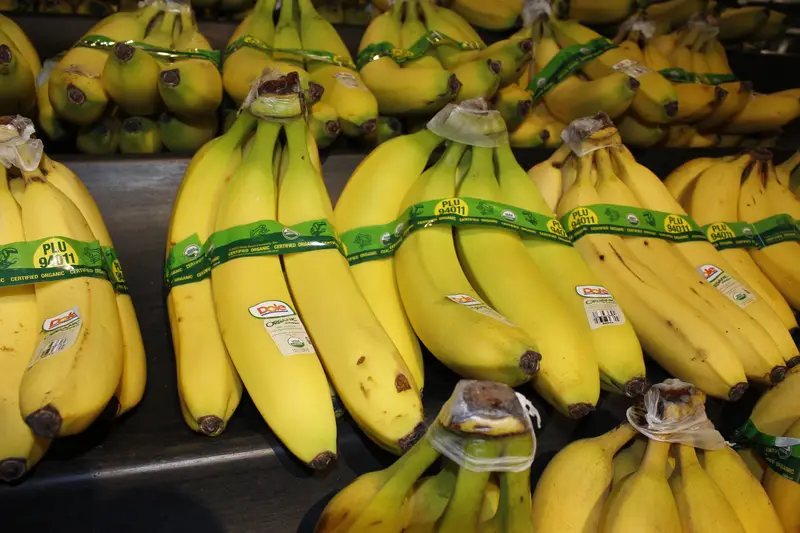
Most grocery stores pack bananas in plastic bags, and if you’re like most people, you probably just toss that whole bag on your counter when you get home. Turns out, leaving bananas in plastic is one of the fastest ways to turn them brown. The plastic traps moisture and creates a humid environment that speeds up ripening. Plus, it keeps ethylene gas concentrated around the fruit, which is basically like hitting the fast-forward button on the whole process.
As soon as you get home from the store, take those bananas out of the plastic bag and place them in a spot in your kitchen that doesn’t get tons of direct sunlight. A cooler, darker spot on your counter works way better than next to a sunny window. If you have a banana hanger, now’s the time to use it. These hangers keep the bananas from getting bruised and help reduce their exposure to that ripening gas we mentioned earlier.
Your fruit bowl setup is all wrong
That beautiful fruit bowl sitting on your kitchen counter might look Instagram-worthy with bananas, apples, peaches, and avocados all piled together, but it’s basically a recipe for disaster. All of these fruits produce ethylene gas, which signals fruit to ripen. When you put them all together, they’re basically telling each other to hurry up and get soft. Bananas are especially sensitive to this gas, so they’ll respond by browning even faster than they would on their own.
The fix is pretty simple: give your bananas their own space away from other fruits. Keep them on a separate part of the counter, or better yet, hang them up on that banana hanger we talked about. If you do need to store multiple types of fruit together, at least keep the bananas separated from the biggest ethylene producers like apples and tomatoes. This one change can add several days to how long your bananas stay fresh.
The stem wrapping trick actually works
Here’s something you might not know: most of the ethylene gas that causes bananas to ripen comes from their stems. Some bananas at the grocery store come with their stems already wrapped in plastic, and there’s a good reason for that. Wrapping the stems slows down the release of ethylene gas, which means the bananas ripen at a much slower pace. If your bananas came with wrapped stems, leave that plastic in place. If they didn’t, you can easily do it yourself at home.
Just grab some plastic wrap or aluminum foil and wrap up the stem area where all the bananas connect. For even better results, separate the bananas from each other and wrap each stem individually. This keeps each banana from speeding up the ripening of its neighbors. According to experts, this simple trick can keep bananas fresh and yellow for up to 15 days instead of just a week. It takes about 30 seconds to do and uses materials you already have in your kitchen.
Refrigerating bananas isn’t as crazy as it sounds
A lot of people think putting bananas in the fridge is some kind of fruit crime. The peel turns brown or even black in there, so it seems like you’ve ruined them. But here’s the thing: the inside of the banana stays perfectly fine. The cool temperature in your fridge slows down the ripening process significantly, which means that banana you wanted to eat on Friday will still be good instead of being a mushy mess.
The key is knowing when to refrigerate. If you have a banana that’s reached the perfect ripeness level and you want to keep it that way for a few more days, stick it in the fridge. The cold temperatures basically put the banana in a holding pattern. Just don’t put green bananas in there, because they need to be at room temperature to ripen properly in the first place. Once they’re at the stage you like, the fridge becomes your best friend for keeping them that way.
Buy them greener than you think you should
When you’re at the grocery store, most people reach for the brightest yellow bananas because they look perfect right now. But unless you’re planning to eat those bananas the same day or the next, you’re actually setting yourself up for problems. Those perfect-looking yellow bananas are already pretty far along in the ripening process, which means you’ve got maybe three or four days before they start getting those brown spots.
Instead, look for bananas that still have some green on them, especially near the stem. They might not be ready to eat immediately, but they’ll ripen at home over the next several days and give you a much longer window to enjoy them. If you know you won’t eat them for a few days, go even greener. You can always speed up ripening at home if you need to, but you can’t really slow it down once it gets going. Buying greener bananas is basically giving yourself more time to use them before they turn into banana bread ingredients.
Those ethylene absorption balls might be worth it
If you’re serious about keeping your bananas fresh, there’s actually a product designed specifically for this problem. Ethylene absorption balls are small containers filled with materials that absorb the ethylene gas that fruits produce. You just toss one in an airtight container with your bananas, and it absorbs the gas that would normally make them ripen faster. These aren’t some gimmicky product either. Tests have shown they can keep bananas fresh for up to 15 days.
The way it works is pretty straightforward: you put your bananas in a container with the absorption ball, seal it up, and the ball does its job. After about a week, bananas stored this way will still have some green on them and feel much firmer than ones left on the counter. By day 15, there might be a little bruising, but they’re still way better than bananas that have been sitting out. You can find reliable options on Amazon for around 20 bucks, and they work for other fruits and vegetables too, not just bananas.
What to do when they’re already too ripe
Sometimes despite your best efforts, those bananas still end up covered in brown spots before you can use them all. Before you throw them out, remember that brown bananas are actually perfect for certain things. They’re sweeter than yellow bananas, which makes them ideal for baking. Banana bread, muffins, and pancakes all taste better with overripe bananas because they have more sugar and a stronger banana taste.
If you’re not ready to bake right away, just peel those brown bananas and toss them in the freezer. They’ll keep for months in there, and you can use them straight from frozen in smoothies or thaw them out for baking later. Some people even use frozen bananas to make a healthy ice cream alternative by blending them until smooth. The point is, brown bananas aren’t garbage. They’re just bananas that are ready for a different purpose than eating out of hand. Keep them in your freezer until you’re ready to use them.
The paper bag method when you need to wait
What if you bought green bananas and now you’re stuck waiting for them to ripen? Leaving them on the counter works, but it can take almost a week. There’s a middle-ground approach that speeds things up without using any weird tricks: the paper bag method. Put your unripe bananas in a brown paper bag, fold the top down to seal it, and leave it on your counter away from direct sunlight. The bag traps the ethylene gas the bananas produce, which speeds up ripening.
This method typically takes about two days to get bananas from green to nicely spotted and sweet. It’s not instant, but it’s faster than leaving them out in the open. The bananas will develop brown spots evenly and smell more fragrant when they’re ready. When you test this method, you’ll find the bananas taste noticeably sweeter with just a hint of that unripe flavor. This is the only speed-ripening method that actually produces bananas good enough to eat on their own, not just use in recipes.
Skip the oven and microwave tricks
You’ve probably seen those viral videos showing people ripening bananas in the oven or microwave in just minutes. The idea sounds great: stick an unripe banana in a 300-degree oven for half an hour, and boom, it’s ready to use. In reality, these methods don’t actually ripen the banana. They just heat it up and make it soft. The banana flesh turns mushy, but it doesn’t get any sweeter. It still tastes starchy and tangy, just like an unripe banana, except now it’s also got a weird texture.
The microwave method is even worse. After a couple minutes in there, the banana peel splits open and the fruit oozes out. The inside becomes total mush, and the taste is more like unripe plantains than sweet bananas. Tests show that pancakes made with these quickly heated bananas taste bland and green, nothing like the sweet banana pancakes you’re hoping for. If you need ripe bananas for baking right away, there’s one trick that works: mash the unripe banana with an egg yolk and let it sit for 30 minutes. The enzymes in the yolk help convert starches to sugars, making it noticeably sweeter.
Keeping bananas fresh doesn’t require any fancy equipment or complicated techniques. Just take them out of that plastic bag, keep them away from other fruit, wrap the stems, and refrigerate them once they hit your preferred ripeness. These simple changes can give you an extra week or more to enjoy your bananas at their best. No more throwing away brown bananas or wishing you’d bought fewer at the store.
