

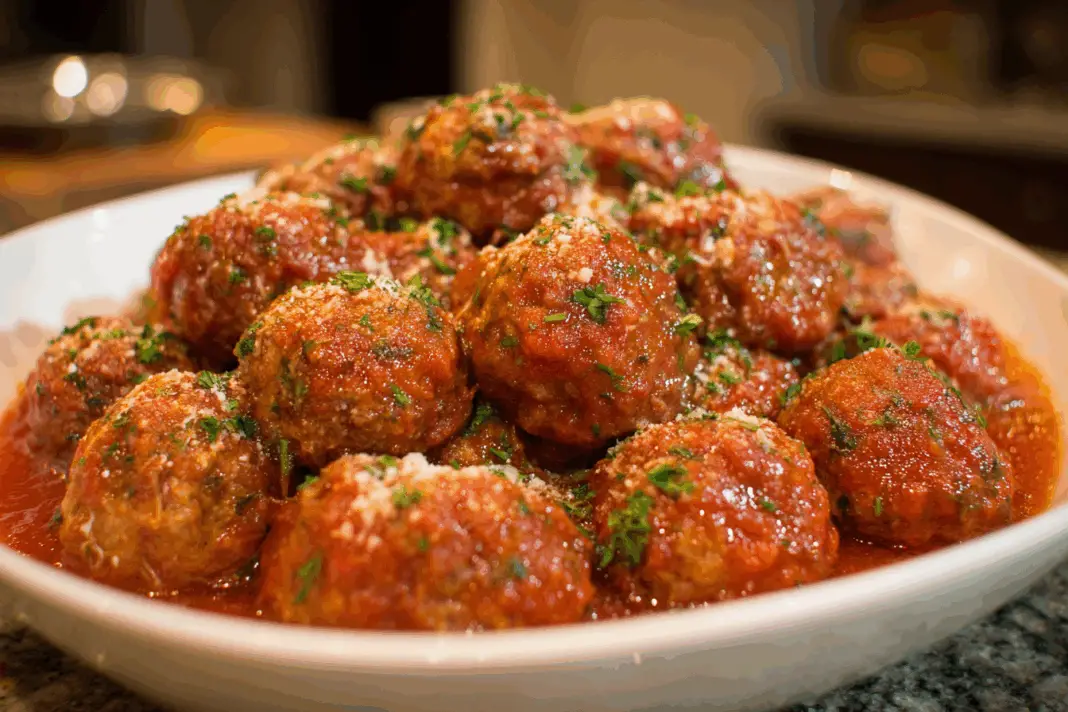
Every family has that one recipe that gets passed down through generations, and for most Italian families, it’s the meatball recipe. But here’s the thing – most people think they know how to make great meatballs, but they’re missing the little secrets that turn good meatballs into the kind that make everyone beg for the recipe. These aren’t just any meatballs; they’re the kind that stick in your memory long after the last bite.
Using only ground beef ruins the whole dish
Most people grab a package of ground beef and call it a day, but this approach creates meatballs that taste flat and boring. The secret lies in mixing different types of meat to create layers of richness that single-meat meatballs simply can’t match. Ground beef alone lacks the fat content and depth needed for truly memorable meatballs.
The magic happens when you combine ground beef with ground pork in equal parts, just like the traditional recipe from Italian grandmothers have been doing for decades. The pork adds essential fat and a subtle sweetness that transforms the entire dish. Some recipes even include veal for an extra layer of tenderness, but the beef-pork combination delivers incredible results that will make people wonder what makes your meatballs so special.
Store-bought breadcrumbs make meatballs taste like cardboard
Those perfectly uniform breadcrumbs from the store might look convenient, but they’re actually sabotaging your meatballs. Commercial breadcrumbs are often too fine and processed, creating a texture that’s more like eating flavored sawdust than enjoying a tender, juicy meatball. They also lack the rustic texture that gives homemade meatballs their signature bite.
The traditional approach involves using stale bread that’s been dried out and crumbled by hand. This creates irregular pieces that absorb moisture differently, resulting in pockets of tenderness throughout each meatball. Take a few slices of day-old Italian bread, let them dry out completely, then crush them into coarse crumbs. This simple switch will give your meatballs a texture that’s impossible to achieve with store-bought alternatives.
Skipping the milk soak creates dense hockey pucks
Many home cooks add breadcrumbs directly to their meat mixture without any liquid, wondering why their meatballs turn out tough and dense. This mistake creates meatballs that could double as tennis balls rather than the tender, melt-in-your-mouth versions that grandmothers are famous for. The breadcrumbs need moisture to work their magic as a binding and tenderizing agent.
The secret is soaking those homemade breadcrumbs in milk for at least 10 minutes before adding them to the meat mixture. This technique, used in the classic recipe, creates a paste-like consistency that keeps the meatballs incredibly moist during cooking. The milk proteins also help bind everything together naturally, eliminating the need for excessive handling that can make meatballs tough. Just squeeze out the excess milk before mixing, and you’ll notice an immediate difference in texture.
Dried herbs taste like dust compared to fresh ones
Reaching for that bottle of dried oregano or parsley that’s been sitting in your spice rack for months is one of the quickest ways to create bland, forgettable meatballs. Dried herbs lose their potency over time and can’t compete with the bright, vibrant taste that fresh herbs bring to the dish. The difference is so noticeable that people will immediately taste the upgrade.
Fresh parsley, oregano, and basil transform meatballs from ordinary to extraordinary. These herbs should be chopped finely and mixed directly into the meat mixture, where they release their oils and create pockets of intense flavor throughout each bite. If you absolutely must use dried herbs, use half the amount called for in the recipe and crush them between your fingers to release any remaining oils. But honestly, the fresh herb investment is worth every penny for the dramatic improvement in taste.
Rolling meatballs too tight squeezes out all the juice
There’s a natural tendency to pack meatballs tightly, thinking this will help them hold together better during cooking. However, this approach actually works against you, creating dense, dry meatballs that lack the tender texture everyone expects. Over-handling the mixture and rolling too aggressively squeezes out moisture and creates tough proteins that won’t break down properly during cooking.
The proper technique involves mixing the ingredients just until combined, then gently rolling the mixture into loose balls about 1.5 inches in diameter. Your hands should be slightly damp to prevent sticking, and the rolling motion should be gentle and quick. The traditional method emphasizes this light touch, which allows the meatballs to maintain their structure while staying incredibly tender. Think of it like making a loose snowball rather than packing it tight.
Cooking at high heat burns the outside and leaves the inside raw
The biggest mistake people make when cooking meatballs is cranking up the heat, thinking this will create a nice brown crust quickly. Instead, this approach creates meatballs that are charred on the outside and potentially undercooked on the inside. High heat also causes the proteins to seize up rapidly, creating a tough exterior that prevents even cooking throughout the meatball.
Medium heat is the sweet spot for achieving that perfect golden-brown exterior while ensuring the inside cooks evenly. Some traditional recipes even recommend broiling the meatballs on low heat first to seal in the juices, then finishing them in a skillet or sauce. This two-step process takes a bit longer but results in meatballs that are beautifully browned and cooked perfectly throughout. Patience during this step makes all the difference in the final product.
Forgetting the secret ingredient that grandmothers always used
Modern recipes often overlook one ingredient that traditional Italian grandmothers considered essential: a small amount of mustard mixed directly into the meat mixture. This might sound strange, but mustard acts as both a flavor enhancer and a natural tenderizer, adding a subtle depth that most people can’t quite identify but definitely notice. It’s one of those secret ingredients that separates good meatballs from unforgettable ones.
Just one tablespoon of Dijon mustard mixed into the meat creates a complexity that elevates the entire dish. The mustard doesn’t make the meatballs taste mustardy; instead, it enhances all the other ingredients and adds a slight tang that balances the richness of the meat and cheese. This traditional technique has been passed down through generations, and once you try it, you’ll understand why grandmothers guarded this secret so carefully.
Serving immediately instead of letting them rest in sauce
The moment those meatballs come out of the pan, there’s a strong temptation to serve them immediately while they’re hot and fresh. However, this rush to the table means missing out on the final step that transforms good meatballs into legendary ones. Meatballs need time to absorb the flavors of the sauce they’re served with, creating a harmony between the meat and the tomato base.
Traditional Italian cooking involves simmering the cooked meatballs in tomato sauce for at least 20 minutes, allowing them to soak up those rich, acidic flavors. This step also ensures that any remaining moisture in the meatballs doesn’t dilute the sauce, while the sauce penetrates the outer layer of each meatball. The result is a dish where every component complements the others perfectly, rather than just sitting alongside each other on the plate.
Making them too small or too large ruins the eating experience
Size matters when it comes to meatballs, and getting it wrong can ruin an otherwise perfect recipe. Tiny meatballs cook too quickly and dry out, while oversized ones don’t cook evenly and can be awkward to eat. The ideal size creates the perfect ratio of crispy exterior to tender interior, while also being the right proportion for pasta or sandwiches.
The traditional size is about 1.5 inches in diameter, roughly the size of a ping-pong ball. This size allows for even cooking throughout while creating enough surface area for proper browning. It’s also the perfect size for versatile serving – whether you’re putting them on spaghetti, making meatball subs, or serving them as appetizers. Consistency in size is just as important as getting the size right, so all the meatballs finish cooking at the same time.
Perfect meatballs aren’t just about following a recipe – they’re about understanding the techniques that have been perfected over generations. These small details make the difference between meatballs that people forget and ones that become family legends. The extra effort invested in proper ingredients and technique pays off in every single bite, creating the kind of dish that brings people back to your table again and again.
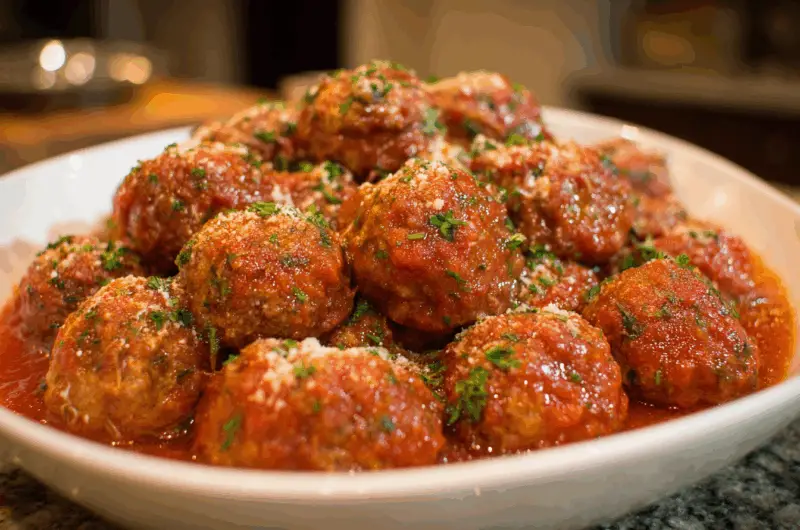
Grandma’s Secret Italian Meatballs
Course: Dinner6
servings25
minutes30
minutes380
kcalThese tender, juicy meatballs combine traditional techniques with secret ingredients that have been passed down through generations of Italian grandmothers.
Ingredients
1 pound ground beef (80/20 blend)
1 pound ground pork
2 cups homemade breadcrumbs from stale Italian bread
1 cup whole milk
2 large eggs
1 cup grated Parmesan cheese
3 tablespoons fresh parsley, finely chopped
1 tablespoon Dijon mustard
4 cloves garlic, minced
Directions
- Soak the homemade breadcrumbs in milk for 10 minutes until they form a paste-like consistency. This step is crucial for creating tender meatballs that won’t turn out dense or dry. Squeeze out excess milk gently with your hands, leaving the breadcrumbs moist but not dripping.
- In a large mixing bowl, combine the ground beef and ground pork using your hands to mix gently. Add the soaked breadcrumbs, beaten eggs, grated Parmesan cheese, fresh parsley, Dijon mustard, and minced garlic. Mix just until all ingredients are combined – overmixing will create tough meatballs.
- With slightly damp hands, gently roll the mixture into balls about 1.5 inches in diameter. Don’t pack them tightly – they should hold together but remain loose enough to stay tender. Place the formed meatballs on a large plate or baking sheet, making sure they don’t touch each other.
- Preheat your broiler to low heat and arrange meatballs on a metal baking sheet. Broil for 5 minutes, then carefully rotate each meatball and broil for another 5 minutes. This initial broiling seals in the juices and creates a light crust that helps the meatballs hold together during final cooking.
- Heat olive oil in a large, deep skillet over medium heat. Carefully transfer the broiled meatballs to the skillet, making sure not to overcrowd the pan. Cook for 8-10 minutes, gently turning them every few minutes to brown evenly on all sides.
- Once the meatballs are golden brown and cooked through, add your favorite tomato sauce to the skillet. The sauce should just cover the meatballs – add more if needed. Bring to a gentle simmer, then reduce heat to low.
- Let the meatballs simmer in the sauce for 20 minutes, allowing them to absorb the rich tomato flavors. This final step creates the perfect marriage between the meat and sauce that makes these meatballs truly special. Avoid stirring too frequently to prevent breaking the meatballs.
- Serve immediately over your favorite pasta, or use them for meatball sandwiches on crusty Italian bread. Garnish with fresh basil and additional Parmesan cheese if desired. These meatballs also freeze beautifully for up to 3 months when stored in sauce.
Notes
- Always use a combination of ground beef and pork for the best flavor and texture – single-meat meatballs lack the richness and depth that makes this recipe special
- Homemade breadcrumbs from stale Italian bread create a much better texture than store-bought versions, which can make meatballs taste flat and processed
- The Dijon mustard is the secret ingredient that adds incredible depth without making the meatballs taste mustardy – don’t skip this traditional addition
- Gentle handling is crucial throughout the entire process – overmixing or rolling too tightly will result in tough, dense meatballs
Frequently Asked Questions
Q: Can I make these meatballs ahead of time and freeze them?
A: Absolutely! You can freeze the meatballs either before or after cooking. If freezing uncooked meatballs, place them on a baking sheet until frozen solid, then transfer to freezer bags. If freezing cooked meatballs, let them cool completely in the sauce before freezing. Both methods work great for up to 3 months.
Q: What’s the best way to tell if the meatballs are cooked through?
A: The safest method is using a meat thermometer – the internal temperature should reach 160°F. If you don’t have a thermometer, cut into the largest meatball to check that it’s no longer pink inside and the juices run clear. The meatballs should also feel firm but not hard when gently pressed.
Q: Can I bake these meatballs instead of using the broiler and skillet method?
A: Yes, you can bake them at 400°F for about 20-25 minutes, turning once halfway through. However, the traditional broiler method followed by pan-searing creates a better crust and more complex flavor. If you choose to bake, still simmer them in sauce afterward for the best results.
Q: Why do my meatballs fall apart when I try to turn them?
A: This usually happens when the meat mixture is too wet, the meatballs aren’t properly sealed before cooking, or the heat is too high. Make sure to squeeze excess milk from the breadcrumbs, broil them first to create a crust, and cook over medium heat rather than high heat.
