

That shiny roll of aluminum foil sitting in your kitchen drawer seems harmless enough, but it might be causing more problems than you realize. While aluminum foil is incredibly handy for wrapping leftovers and covering dishes, certain foods can react badly when they come into contact with this common kitchen staple. From ruining the taste of your favorite meals to creating potential safety hazards, using aluminum foil with the wrong foods can turn a simple cooking session into a frustrating experience.
Anything going in the microwave
Picture this: you’re reheating last night’s dinner and decide to leave the aluminum foil wrap on to save time. Within seconds, your microwave starts sparking like a Fourth of July firework show. Aluminum foil and microwaves are a dangerous combination that can damage your appliance or even start a fire. The metal reflects microwave energy instead of absorbing it, creating electrical arcs that can permanently harm your microwave’s interior.
The sparks aren’t just for show – they can actually burn holes in your microwave’s walls or damage the magnetron, which is the expensive part that generates the microwaves. Instead of risking a costly repair bill, transfer your food to a microwave-safe container before heating. Glass dishes, ceramic bowls, and microwave-safe plastic containers are all better options that won’t turn your kitchen into a light show.
Tomatoes and citrus fruits
Ever wonder why your foil-wrapped tomato dish tastes like you’re sucking on a penny? Acidic foods like tomatoes, lemons, limes, and oranges don’t play nice with aluminum. The acid literally eats away at the foil, causing tiny particles of aluminum to leach into your food. This chemical reaction not only gives your meal an unpleasant metallic taste but also increases the amount of aluminum you’re consuming.
This same problem happens with vinegar-based marinades, wine sauces, and anything containing citrus juice. The longer the acidic food stays in contact with the foil, the worse the reaction becomes. When you’re making dishes with acidic ingredients, reach for glass or ceramic containers instead. Your taste buds will thank you, and you won’t have to worry about that weird metallic aftertaste ruining your carefully prepared meal.
Salty dishes and cured meats
Salt might seem harmless, but it’s actually another troublemaker when it comes to aluminum foil. Dishes with high salt content, like cured ham, bacon, or heavily seasoned roasts, can cause the same leaching problem as acidic foods. The sodium chloride in salt reacts with aluminum ions, breaking down the foil and transferring metal particles into your food. This is especially problematic with longer cooking times.
Cured meats are particularly problematic because they’re already loaded with salt for preservation. When you wrap these salty dishes in foil for slow cooking or storage, you’re essentially creating a chemical reaction that nobody wants on their dinner plate. Instead, use parchment paper or place the meat in a glass baking dish. The results will taste better and won’t leave you wondering why your expensive ham has an odd metallic edge.
Slow-roasted dishes that cook for hours
Time is not aluminum foil’s friend, especially when it comes to long, slow cooking methods. Those Sunday pot roasts, overnight briskets, and slow-roasted ribs that cook for hours give aluminum foil plenty of time to break down and contaminate your food. The extended exposure to heat and moisture creates the perfect conditions for aluminum to leach into your carefully prepared meal, potentially ruining hours of work.
Research shows that the same dish cooked in regular cookware versus aluminum foil contains significantly more aluminum when foil is used. For slow-roasted dishes, ceramic or glass cookware is your best bet. If you absolutely must use foil, create a barrier by placing parchment paper between the food and foil. This prevents direct contact while still allowing you to wrap or cover your dish as needed.
Foods cooked at temperatures above 400 degrees
High heat and aluminum foil can be a problematic combination, even though aluminum doesn’t melt until it reaches over 1,000 degrees Fahrenheit. At temperatures above 400 degrees, the metal becomes more reactive and prone to leaching into food. This is particularly concerning for foods like baked potatoes wrapped in foil and cooked at high temperatures, or anything you’re planning to cook over an open campfire.
Instead of wrapping that potato in foil before tossing it in a 450-degree oven, try coating it with a thin layer of oil and seasoning it directly. The skin will become beautifully crispy, and you won’t have to worry about high heat causing problems. Parchment paper can handle temperatures up to about 450 degrees and makes a much safer alternative for high-temperature cooking applications.
Fish and seafood
Fish foil packets might seem like a great way to steam delicate seafood, but research suggests that aluminum leaches more easily into fish than it does into other types of meat. The delicate proteins and natural moisture in seafood create conditions that make aluminum transfer more likely. This means your healthy salmon dinner could end up with an unwanted metallic taste and higher aluminum content than you bargained for.
The good news is that parchment paper works even better for steaming fish than aluminum foil does. The French technique called “en papillote” involves wrapping seafood in parchment paper with herbs, vegetables, and a splash of wine or broth. The parchment creates a perfect steam environment without any risk of metallic contamination, and the presentation looks much more elegant when you serve it.
Cookies and baked goods
Aluminum foil might seem like a quick substitute when you’re out of parchment paper, but it can turn your perfect cookie recipe into a disaster. The highly conductive nature of aluminum means the bottom of your cookies will cook much faster than the tops, resulting in burnt bottoms and undercooked centers. Plus, cookies have a tendency to stick to aluminum foil, leaving you with crumbled messes instead of perfect treats.
The uneven heat distribution that aluminum foil creates is particularly problematic for delicate baked goods like sugar cookies or shortbread. These cookies need gentle, even heat to bake properly. Parchment paper or silicone baking mats provide the non-stick surface you need without the heat conduction problems. Your cookies will bake more evenly, release easily, and actually look like the perfect treats you intended to make.
Leftovers for extended storage
Wrapping leftovers in aluminum foil might seem convenient, but it’s not doing your food any favors. Foil doesn’t create an airtight seal, which means moisture can escape and bacteria can find their way in. This leads to food that dries out quickly and doesn’t stay fresh as long as it should. Plus, if those leftovers contain any acidic ingredients like tomato sauce or salad dressing, you’re back to the leaching problem.
Proper food storage containers or freezer bags do a much better job of keeping leftovers fresh and safe. Glass containers with tight-fitting lids are ideal because they don’t absorb odors, can go from fridge to microwave safely, and create an actual barrier against air and moisture. Your leftovers will taste better when you reheat them, and you won’t have to worry about metallic tastes or dried-out food.
Foods exposed to direct flames
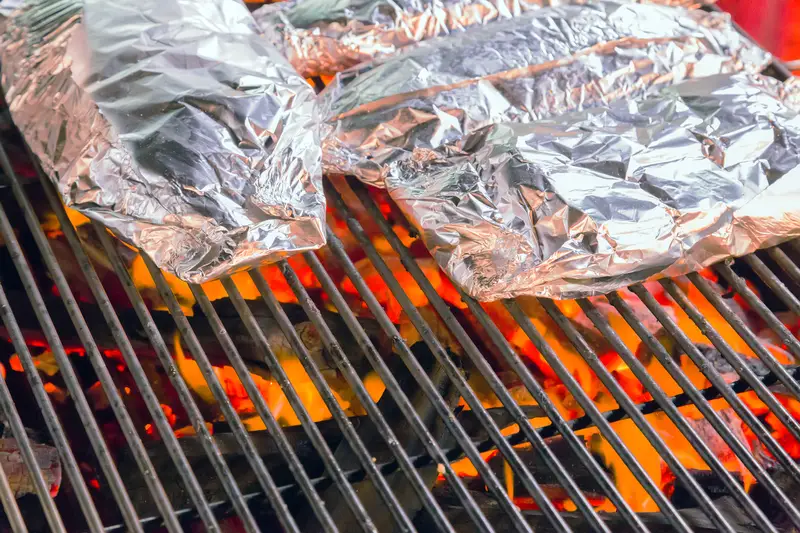
Campfire cooking and backyard grilling often involve aluminum foil, but direct flame exposure can cause serious problems. While aluminum doesn’t melt until very high temperatures, direct flames can weaken the foil, cause it to burn, or create hot spots that cook food unevenly. Worse yet, damaged foil can release particles or create safety hazards when it starts to break down over open flames.
Heavy-duty grill mats or cast iron cookware are much better options for direct flame cooking. These alternatives can handle the intense heat without breaking down, and they provide better heat distribution for more even cooking. If you must use foil on the grill, keep it away from direct flames and use the heavy-duty variety. Regular thin foil just isn’t designed to handle that kind of intense heat exposure.
Knowing which foods to keep away from aluminum foil can save you from ruined meals and frustrating kitchen mishaps. When in doubt, parchment paper, glass containers, and proper cookware are almost always better choices that won’t interfere with your food’s taste or safety. Your cooking will improve, and you won’t have to worry about unexpected metallic surprises in your favorite dishes.
