

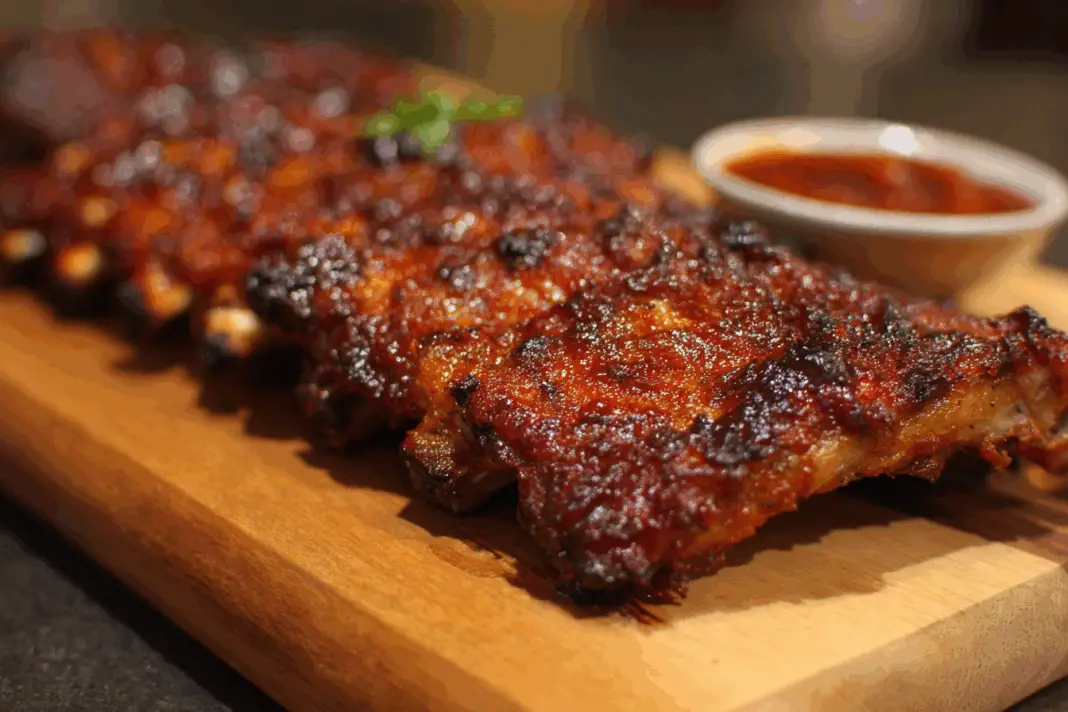
Ever wonder why some people swear by their secret rib recipes while others end up with tough, chewy meat that requires a knife and fork? The truth is, making incredible ribs doesn’t require expensive equipment or years of practice. With the right technique, anyone can create restaurant-quality ribs that literally fall off the bone using nothing more than their home oven and a few simple ingredients.
Most people skip the membrane removal step
That tough, chewy texture everyone complains about usually comes from leaving the membrane on the back of the ribs. This thin, silvery layer acts like plastic wrap during cooking, preventing seasonings from penetrating the meat and creating an unpleasant bite. Many butchers remove this automatically, but grocery store ribs often still have it attached. The good news is removing it takes less than a minute once you know the trick.
Start by placing the ribs meat-side down on a cutting board. Look for the shiny membrane covering the bone side, then slide a knife underneath one corner to loosen it. Grab the loosened edge with your fingers or a paper towel for better grip, then pull it off in one piece. This simple preparation step makes the difference between tough ribs and tender ones that practically melt in your mouth.
Temperature matters more than cooking time
High heat might seem like the faster option, but it’s actually the enemy of tender ribs. Cooking at temperatures above 325°F breaks down the meat fibers too quickly, resulting in dry, stringy texture. The magic happens between 275°F and 300°F, where collagen slowly converts to gelatin and fat renders properly. This low and slow approach takes patience, but the results speak for themselves.
Plan on 2.5 to 3.5 hours of cooking time depending on the size of your ribs. Baby back ribs typically cook faster than spare ribs due to their smaller size and less connective tissue. The ribs are ready when you can easily pierce them with a knife or when the meat starts pulling back from the bones. Some recipes suggest cooking at 300°F for exactly three hours, which works perfectly for most standard racks.
Wrapping in foil creates a steam effect
The secret to incredibly tender ribs lies in creating a sealed environment during cooking. Wrapping the seasoned ribs tightly in heavy-duty aluminum foil traps moisture and creates a gentle steaming effect. This technique prevents the meat from drying out while allowing the tough connective tissues to break down completely. Make sure the foil packet is sealed on all sides to prevent steam from escaping.
Place the ribs meat-side down in the foil packet for the best results. This positioning allows the rendered fat and juices to baste the meat naturally during cooking. If your foil isn’t large enough to wrap the entire rack, cut the ribs in half and create individual packets. The foil wrapping method essentially turns your oven into a steam chamber, guaranteeing moist, tender results every time.
Dry rubs penetrate better than wet marinades
While wet marinades might seem like they’d add more moisture, dry rubs actually work better for slow-cooked ribs. The combination of salt, sugar, and spices draws out moisture initially, then gets reabsorbed along with all those concentrated flavors. A good dry rub should include brown sugar for caramelization, paprika for color, and a balance of savory spices like garlic powder, onion powder, and cumin.
Apply the dry rub generously to both sides of the ribs, pressing it into the meat with your hands. The basic ratio includes 2 tablespoons paprika, 3 tablespoons brown sugar, 1 tablespoon black pepper, and 2 teaspoons salt, plus additional spices for complexity. This homemade seasoning blend costs a fraction of store-bought versions and tastes infinitely better. Let the rubbed ribs sit for at least 30 minutes before cooking to allow the flavors to penetrate.
Adding sauce too early makes it burn
One of the biggest mistakes home cooks make is slathering barbecue sauce on the ribs before the long cooking process. Sugar-based sauces burn easily at the temperatures needed for proper rib cooking, creating bitter, charred flavors instead of the sweet glaze everyone wants. The sauce should only go on during the final few minutes of cooking when the ribs are already tender.
After the ribs have cooked completely, remove the foil and brush them with your favorite barbecue sauce. Then return them to the oven under the broiler for just 3-5 minutes to caramelize the sauce. This creates that perfect glossy, slightly sticky coating that makes ribs irresistible. For slow cooker versions, the same principle applies – add the sauce at the very end for the best results.
Slow cookers work just as well as ovens
Don’t think you need a fancy oven setup to make incredible ribs. Slow cookers create the same low-temperature, moist environment that produces fall-off-the-bone results. Cut the ribs to fit your slow cooker, season them with your dry rub, and cook on low for 8 hours. The ribs release their own liquid during cooking, so there’s no need to add water or other liquids.
The key difference with slow cooker ribs is managing the liquid that accumulates during cooking. Strain off the cooking liquid before adding sauce to prevent watery results. Then toss the tender ribs with barbecue sauce and keep them warm for about 20 minutes to let the flavors meld. This hands-off approach makes perfect ribs while you’re at work or busy with other tasks.
Baby back ribs cook faster than spare ribs
Not all ribs are created equal when it comes to cooking time and technique. Baby back ribs come from the upper part of the pig’s rib cage and are naturally more tender with less fat and connective tissue. This means they cook faster and are more forgiving for beginners. Spare ribs, on the other hand, come from the belly area and have more fat and tough connective tissue that requires longer cooking times.
Baby back ribs typically weigh 2-2.5 pounds per rack and cook perfectly in 2.5-3 hours at 275°F. Spare ribs are larger, often weighing 3-4 pounds per rack, and may need an extra 30-60 minutes of cooking time. St. Louis-style ribs are spare ribs with the brisket bone removed, making them more rectangular and uniform for cooking. Regardless of which type you choose, the same basic techniques apply – low temperature, proper seasoning, and patience.
Homemade barbecue sauce beats store bought every time
While grabbing a bottle of sauce from the grocery store seems convenient, making your own takes just five minutes and tastes infinitely better. Most homemade barbecue sauces start with a ketchup base, then add brown sugar for sweetness, vinegar for tang, and hot sauce for heat. The beauty of making your own is controlling exactly how sweet, spicy, or tangy the final product tastes.
A basic sauce combines 1/2 cup ketchup, 2 tablespoons brown sugar, 1 tablespoon apple cider vinegar, and hot sauce to taste. Some recipes add diced onions cooked until soft, plus spices like cumin for extra depth. Store-bought sauces often contain high fructose corn syrup and preservatives that create an artificial taste. Making sauce from scratch lets you use quality ingredients and adjust the flavors to complement your specific dry rub. This honey barbecue variation adds 2-3 tablespoons of honey for incredible caramelization under the broiler.
Proper storage keeps leftovers delicious for days
Great ribs often make great leftovers, but only if stored and reheated properly. Let the ribs cool completely before wrapping them tightly in aluminum foil or placing them in airtight containers. Properly stored ribs stay fresh in the refrigerator for up to four days, or in the freezer for up to three months. If freezing, wrap individual portions in plastic wrap first, then foil for extra protection against freezer burn.
Reheating requires gentle heat to prevent the meat from drying out. Wrap refrigerated ribs in foil and warm them in a 275°F oven for 20-30 minutes, or until heated through. For frozen ribs, thaw them overnight in the refrigerator first, then reheat using the same method. Add fresh barbecue sauce before serving to restore that glossy appearance and boost the flavors. The low reheating temperature ensures the meat stays tender and doesn’t become tough or dried out like it would in a microwave.
Perfect ribs aren’t about expensive equipment or secret family recipes – they’re about understanding a few key techniques and having the patience to let low heat work its magic. Whether using an oven or slow cooker, the principles remain the same: remove the membrane, season generously, cook low and slow, and add sauce only at the end. These simple steps guarantee tender, flavorful ribs that will have everyone asking for your recipe.
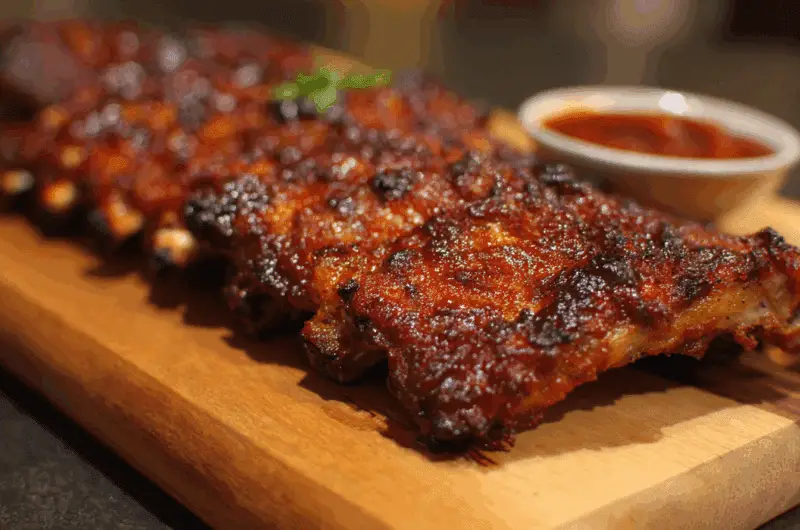
Fall Off The Bone Slow Cooked Ribs
Course: Main Course4
servings15
minutes3
minutes433
kcalThese incredibly tender ribs are baked low and slow in the oven with a flavorful dry rub and finished with homemade barbecue sauce.
Ingredients
2 to 2½ pounds baby back pork ribs
2 tablespoons paprika
3 tablespoons brown sugar
1 tablespoon black pepper
2 teaspoons coarse salt
1 teaspoon garlic powder
1 teaspoon onion powder
1 teaspoon cumin
½ cup ketchup
2 tablespoons light brown sugar
1 tablespoon apple cider vinegar
1 tablespoon hot sauce (like Sriracha)
Directions
- Preheat your oven to 275°F and set aside a large roasting pan or rimmed baking sheet with aluminum foil. If the ribs still have the thin membrane on the back, remove it by sliding a knife underneath and peeling it away with your fingers. Use a paper towel for better grip if needed.
- In a small bowl, combine paprika, brown sugar, black pepper, salt, garlic powder, onion powder, and cumin to make the dry rub. Generously season both sides of the ribs with this mixture, pressing it into the meat with your hands. Let the ribs sit for at least 30 minutes to allow the flavors to penetrate.
- Place the seasoned ribs meat-side down in the roasting pan, cutting them in half if necessary to fit. Wrap the pan tightly with aluminum foil, ensuring the ribs are completely sealed to prevent steam from escaping. If your foil isn’t large enough, wrap each rack individually in tight foil packets.
- Bake the wrapped ribs for 2½ to 3½ hours, or until the meat easily falls from the bones. Check for doneness by piercing with a sharp knife – there should be little resistance. The ribs are ready when you can gently bend them and the meat looks like it will pull away from the bone.
- While the ribs cook, prepare the barbecue sauce by combining ketchup, brown sugar, apple cider vinegar, and hot sauce in a medium bowl. Stir until well combined and set aside. Taste and adjust seasoning as needed – add more hot sauce for heat or brown sugar for sweetness.
- Remove the ribs from the oven and carefully discard the aluminum foil, being mindful of the hot steam. Generously brush both sides of the ribs with the prepared barbecue sauce using a pastry brush or spoon. The ribs will be very tender at this point, so handle them gently.
- Move an oven rack near the top of the oven and turn your broiler to high. Broil the sauced ribs for 3-4 minutes, watching carefully to prevent burning, until the barbecue sauce begins to caramelize and becomes glossy. The sauce should bubble and develop a slightly sticky coating.
- Remove from oven and let rest for 5 minutes before serving. Cut between the bones to separate individual ribs, though they should practically fall apart on their own. Serve immediately with extra barbecue sauce on the side and your favorite sides like coleslaw, potato salad, or cornbread.
Notes
- Spare ribs can be substituted but may need 30-60 minutes longer cooking time due to their larger size
- Leftover ribs can be stored in the refrigerator for up to 4 days or frozen for 3 months
- To reheat, wrap in foil and warm at 275°F for 20-30 minutes, then brush with fresh sauce
- For multiple racks, cooking time stays the same but wrap each rack individually in foil
Frequently asked questions about slow cooked ribs
Q: Can I cook these ribs without removing the membrane?
A: While technically possible, leaving the membrane on results in tougher, chewier ribs that don’t absorb seasonings as well. The membrane acts like a barrier, preventing the dry rub from penetrating the meat and creating an unpleasant texture. Taking the extra minute to remove it makes a significant difference in the final result.
Q: What’s the difference between baby back ribs and spare ribs for this recipe?
A: Baby back ribs are smaller, more tender, and cook faster (2.5-3 hours), while spare ribs are larger with more fat and connective tissue, requiring 30-60 minutes longer cooking time. Both work with this recipe, but baby back ribs are more forgiving for beginners and have a higher meat-to-bone ratio.
Q: Can I make the barbecue sauce ahead of time?
A: Absolutely! The homemade barbecue sauce can be made up to a week ahead and stored in the refrigerator. In fact, making it ahead allows the flavors to meld and develop, often resulting in better taste. Just give it a good stir before using, as ingredients may separate during storage.
Q: How do I know when the ribs are done without a meat thermometer?
A: The meat should easily pull away from the bones when gently twisted with tongs, and a sharp knife should pierce through with little to no resistance. You can also do the “bend test” – when you pick up the ribs with tongs, they should bend easily and the meat should start to crack on the surface.
