

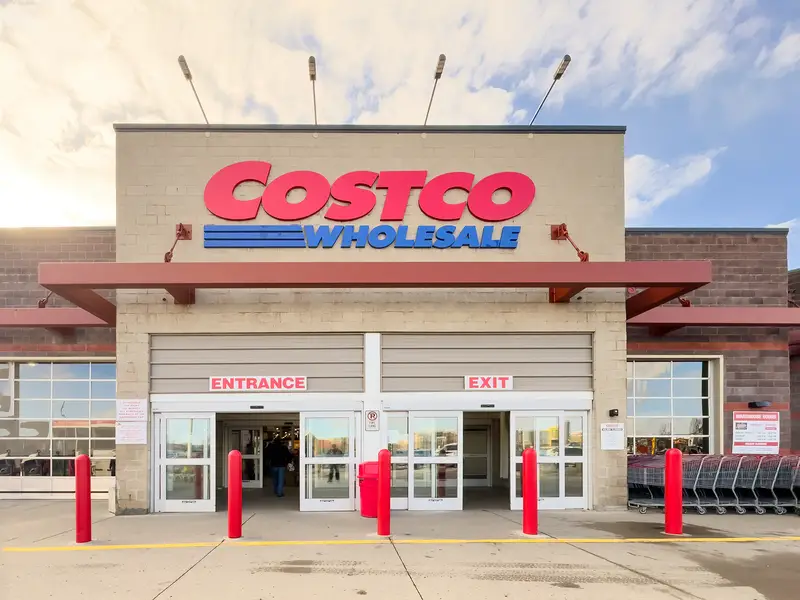
Working at Costco comes with some serious perks. Free membership cards for family and friends, decent pay, and maybe best of all, insider knowledge about what’s actually worth buying. When the people who stock the shelves, ring up your purchases, and deal with returns every single day start warning you away from certain items, it’s probably smart to listen. These employees have seen it all, from the products that fly off the shelves to the ones that come right back through the return line. Here’s what they’re telling anyone who’ll listen to skip on their next warehouse run.
Those giant strawberries aren’t worth the hype
Walking past the produce section at Costco can feel like stepping into some alternate universe where everything grew to twice its normal size. The strawberries especially look like they’ve been hitting the gym, with some berries reaching the height of a water bottle. They’re cheaper than what you’d find at regular grocery stores too, usually by a dollar or two. That price difference makes it tempting to load up your cart with way more than you actually need for the week ahead.
Here’s the problem that employees keep seeing: fresh strawberries have a shelf life shorter than most people’s attention span on social media. They last about two days sitting on your counter before they start looking sad and mushy. Even in the fridge, you’re racing against time to eat them all before mold sets in. One worker mentioned that while produce rarely gets returned, strawberries would be leading the pack if people bothered bringing them back. You end up either tossing half the container or frantically trying to eat strawberries with every meal just to use them up.
Bananas that never seem to ripen properly
Bananas seem like they should be a safe bet anywhere you shop. They’re simple, affordable, and hard to mess up, right? Wrong, at least when it comes to Costco’s bunches. Workers at the warehouse have a running joke about these particular bananas because they behave in the weirdest way possible. People bring them home expecting the usual banana experience where they go from green to yellow to brown within a week or so. Instead, these bananas just sit there staying stubbornly green for weeks on end.
Shoppers have tried everything to get them to turn yellow. The paper bag trick that usually works like magic? Doesn’t do anything. Adding an apple to release that ripening gas? Still nothing. These bananas seem determined to stay green forever, and then suddenly they’ll skip right past ripe and go straight to rotten. One employee straight up said that while most produce at the warehouse is fine, the bananas are the exception to that rule. At least half the time, they just won’t ripen normally no matter what you do with them at home.
Baked goods come in packaging that’s too large
The bakery section at Costco smells amazing and everything looks delicious sitting there in those clear plastic containers. Muffins the size of your head, cookies by the dozen, and croissants that could feed a small army. The prices seem reasonable too when you break it down per item. But here’s what workers know that most shoppers don’t realize until they get home: that packaging is way bigger than it needs to be, and you’re stuck with way more baked goods than any normal household can handle before they go stale.
Two different employees from Iowa and Pennsylvania both mentioned the same issue with bakery items. The packaging takes up a ridiculous amount of storage space, and unless you’re feeding a crowd or planning to freeze everything immediately, you’ll be eating the same muffins for breakfast, lunch, and dinner just to get through them. Some people try freezing their haul, but not everything survives the freezer well. Cookies with icing turn into a disaster, and even items that technically can be frozen don’t always taste the same when you thaw them out later.
Soda actually costs less at regular supermarkets
Costco seems like it would be the obvious place to stock up on drinks for a party or just to have around the house. They sell everything in bulk, so naturally the soda would be cheaper per can than buying it anywhere else. One person even asked if Costco would be the best place to buy enough soda for their wedding with 250 guests. But according to employees who actually crunch the numbers, your regular grocery store probably has better deals on soft drinks most of the time.
The reason comes down to how regular supermarkets use soda as what retail folks call a loss leader. They’ll discount popular items like soda and candy to get people through the door, knowing you’ll probably buy other stuff while you’re there. These sales rotate through different stores throughout the month, so if you’re paying attention to the weekly ads, you can usually beat Costco’s everyday pricing. Plus, regular stores stack soda right by the checkout to tempt you into impulse purchases, which means they’re motivated to keep those prices competitive.
Large meat packages exceed most household needs
The meat section at Costco looks impressive with all those bulk packages of steaks, chicken breasts, and ground beef. The price per pound often beats what you’d pay at a regular butcher or grocery store, especially for nicer cuts. It’s easy to convince yourself that you’re getting an amazing deal and that you’ll definitely cook all that meat before it goes bad. But employees who work there and see these packages every day have a different perspective on whether they’re actually practical for most people.
One California worker mentioned that the large meat packages just don’t make sense for their household size, and that’s a common issue for anyone who isn’t feeding a big family. When you get home, you need to immediately divide everything into portions and get it into the freezer before it spoils. That assumes you have enough freezer space in the first place, which is a big assumption given how much room those bulk packages take up. You’re also supposed to minimize the time meat spends at room temperature, so if your drive home is longer than half an hour, you really should have a cooler in your car.
Mayonnaise jars are comically oversized
Americans love their mayo, that’s no secret. But even the most devoted mayo fans might struggle with the sizes available at Costco. One employee from Minnesota specifically called out the oversized mayonnaise jars as being impractical for regular home use. The jars are so big that people in other countries apparently refer to them as American size, which should tell you something about how excessive they really are for most kitchens and eating habits.
The real headache starts once you open that giant jar. Mayo can sit unopened in your pantry until the expiration date without any issues, taking up space but at least not requiring refrigeration. But crack that seal and now you’ve got two to three months max to use it all up before it goes bad. That means finding room in your already crowded fridge for what amounts to a small bucket of mayo. Unlike rice or pasta that you might actually go through quickly, even people who use mayo regularly will take a while to finish off Costco’s massive containers.
The Kirkland Signature Chicken Bake isn’t worth it
Food courts at Costco have developed something of a cult following. The hot dogs are famous, the pizza slices are huge, and people swear by the combo meals. But when a manager who’s worked at Costco for more than ten years gets asked what the worst thing to buy at the food court is, she doesn’t hesitate: the Kirkland Signature Chicken Bake. This comes as a shock to fans who consider it a staple of their warehouse shopping trips. At under four bucks, it seems like a solid deal for something that could easily feed two people.
Christina Polovina explained her reasoning pretty clearly though. That chicken bake packs more than a thousand calories into one item. It’s loaded with crispy dough, cheese, chicken, bacon, Caesar dressing, and a coating of Parmesan on top. Sure, it tastes good if you’re into that combination, but it’s basically an entire day’s worth of eating compressed into one food court purchase. She suggested maybe having it as an occasional treat if you really love it, but definitely not making it your regular lunch option during shopping trips.
Bulk spices lose potency before you finish them
The spice aisle at Costco can make home cooks feel like they’re getting professional restaurant supplies at discount prices. Giant containers of garlic powder, cinnamon, and Italian seasoning for less than you’d pay for tiny bottles at regular stores. The math seems to work out in your favor, especially if you cook a lot and go through spices regularly. But there’s a catch that becomes obvious once you’ve had that massive container sitting in your cabinet for six months or a year.
Spices don’t last forever, even when they’re sealed up tight in their containers. They slowly lose their strength and taste over time, which means that giant jar of oregano won’t taste the same at the bottom as it did when you first opened it. Ground spices typically stay at their best for about a year, while whole spices might last two to three years. Unless you’re cooking for a restaurant or a very large family, you probably won’t finish those bulk containers while they’re still at full strength. You end up either using stale spices that don’t add much to your food or throwing away half the container.
Fresh herbs wilt faster than you can use them
Fresh basil, cilantro, and parsley can transform a meal from boring to restaurant quality. Costco sells these herbs in packages that seem reasonably priced compared to the small plastic containers at regular grocery stores. But those Costco packages contain enough herbs to garnish every meal you cook for a week straight. Most recipes call for maybe a tablespoon or two of fresh herbs, which means you’re looking at a tiny fraction of what came in that package.
Fresh herbs are delicate and start wilting within days of purchase, even when you store them properly in the fridge. Cilantro turns slimy, basil leaves get black spots, and parsley loses its bright green color and perky texture. You can try various storage methods like treating them like flowers in a glass of water or wrapping them in damp paper towels, but you’re still fighting a losing battle against time. By the time you’ve used what you need for a couple of recipes, the rest of the bunch is already past its prime and heading for the compost bin.
Shopping at Costco takes some strategy beyond just showing up with your membership card and a big cart. The workers who spend their days there have figured out which bulk deals actually make sense and which ones just lead to waste and frustration. Sometimes paying a bit more at a regular store for a smaller quantity works out better than buying in bulk and throwing half of it away. Next time you’re tempted by those massive packages and impressive bulk pricing, think about whether you’ll realistically use everything before it goes bad.
