

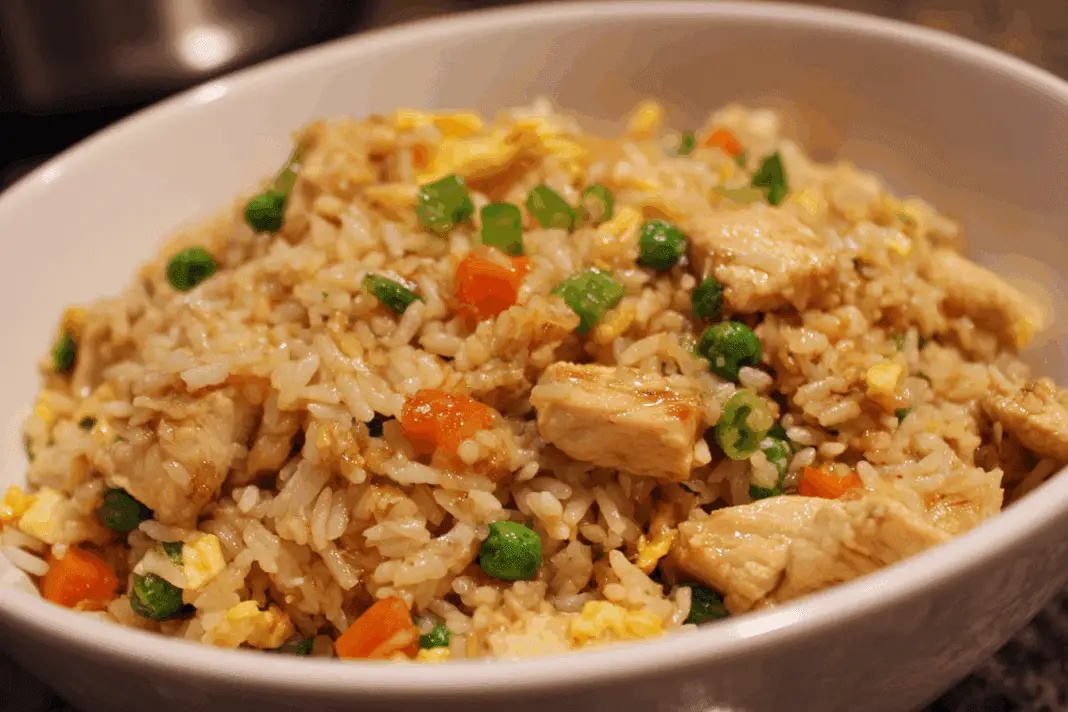
Ever wonder why your homemade fried rice turns out mushy and bland while your favorite restaurant delivers perfect, separated grains every time? The secret isn’t some complicated technique or mystery ingredient – it’s actually simpler than most people think. With the right rice preparation and a few smart cooking tricks, anyone can make restaurant-quality fried rice at home that’s fresher, healthier, and way more satisfying than anything you’ll get from a delivery box.
Day-old rice makes all the difference
Fresh rice seems like the obvious choice, but it’s actually the biggest mistake people make when attempting homemade fried rice. Newly cooked rice contains too much moisture, which creates a sticky, clumpy mess when you try to stir-fry it. The grains stick together and turn into an unappetizing mush that bears no resemblance to the fluffy, separated rice from your favorite Chinese restaurant.
Day-old refrigerated rice has had time to dry out and firm up, making it perfect for high-heat cooking. The individual grains stay separate and develop that slightly chewy texture that makes great fried rice. If you don’t have leftover rice, spread freshly cooked rice on a baking sheet and refrigerate it for at least 30 minutes to help it dry out quickly. This simple step transforms your results from amateur to restaurant-quality.
High heat prevents soggy vegetables
Most home cooks make the mistake of cooking everything at medium heat, thinking it’s safer and more controlled. This approach leads to vegetables that release too much water and create a soggy, steamed mess instead of the crisp-tender vegetables that make fried rice so appealing. Professional kitchens use intense heat to quickly sear ingredients without breaking them down.
Cooking over high heat creates what chefs call “wok hei” – that slightly smoky, charred edge that gives restaurant fried rice its distinctive taste. Even if you’re using a regular skillet instead of a wok, cranking up the heat helps achieve similar results. The key is moving fast and stirring constantly to prevent burning while allowing each ingredient to develop that perfect seared exterior.
Cook ingredients separately for best results
Throwing everything into the pan at once might seem efficient, but it guarantees uneven cooking and muddy results. Each component of fried rice requires different cooking times and temperatures to reach its ideal texture. Eggs need gentle scrambling, vegetables need quick searing, and rice needs time to heat through and absorb the sauce without becoming mushy.
The professional approach involves cooking each element separately, then combining them at the end. Start with scrambled eggs, remove them from the pan, then cook your vegetables in batches based on their cooking times. Carrots need more time than peas, for example. This method from expert cooks ensures every ingredient maintains its ideal texture and color, creating a more visually appealing and better-tasting final dish.
The sauce makes or breaks everything
Many home cooks dump soy sauce directly onto their fried rice and wonder why it tastes flat and one-dimensional. Restaurant fried rice gets its complex, balanced taste from a carefully mixed sauce that includes multiple components working together. A proper fried rice sauce needs salty elements, sweet components, umami depth, and aromatic oils to create that addictive restaurant taste.
The magic combination includes soy sauce for saltiness, a touch of brown sugar or honey for sweetness, sesame oil for nutty depth, and fish sauce for umami richness. Some recipes also include a splash of rice vinegar for brightness or a bit of hot sauce for heat. Mix these ingredients together before you start cooking, so you can add the sauce quickly without interrupting the high-heat cooking process.
Frozen vegetables work better than fresh
This might sound counterintuitive, but frozen mixed vegetables often produce better fried rice than fresh ones. Frozen peas and carrots are blanched before freezing, which means they’re partially cooked and won’t release excess moisture when you stir-fry them. Fresh vegetables can release water as they cook, making your fried rice soggy and diluting the sauce.
Frozen vegetables also maintain their bright colors and firm textures better during the quick, high-heat cooking process. You don’t even need to thaw them first – just toss them straight from the freezer into your hot pan. They’ll heat through quickly and maintain that perfect crisp-tender texture that makes restaurant fried rice so satisfying to eat.
Protein timing prevents tough chicken
Nothing ruins homemade fried rice like overcooked, rubbery chicken pieces. The mistake most people make is adding raw chicken to the pan with everything else, which either results in undercooked chicken or overcooked rice and vegetables. Chicken breast, in particular, can go from perfectly tender to tough and chewy in a matter of seconds when overcooked.
The smart approach is to cook the chicken completely first, then remove it from the pan while you prepare the other ingredients. Cut the chicken into small, uniform pieces so they cook quickly and evenly. Season them well and let the sauce ingredients marinate the chicken for a few minutes before cooking. This ensures the chicken stays juicy and absorbs more of those delicious sauce components that make restaurant fried rice so addictive.
Jasmine rice beats other varieties
While you might think any rice will work for fried rice, jasmine rice produces consistently better results than other common varieties. Its slightly sticky texture when cooked helps it absorb sauce better than long-grain rice, but it’s not so sticky that it clumps together like short-grain rice. Jasmine rice also has a subtle floral aroma that adds an extra layer of appeal to the finished dish.
Brown rice can work, but it requires longer cooking times and has a chewier texture that some people find less appealing in fried rice. Instant rice tends to fall apart during the high-heat cooking process. If you don’t have jasmine rice, regular long-grain white rice is your next best option. Whatever rice you choose, make sure it’s properly cooled and dried before you start cooking.
Green onions add freshness at the right time
Green onions might seem like a minor ingredient, but they play a crucial role in creating authentic-tasting fried rice. The key is using both the white and green parts at different times during cooking. The white parts can handle more heat and provide a sharper onion edge, while the green parts are more delicate and provide color and fresh onion taste.
Add the white parts early in the cooking process along with garlic to build the aromatic base of your dish. Save most of the green parts for the very end, stirring them in just before serving to maintain their bright color and fresh crunch. This two-part approach gives you layers of onion taste instead of one flat note, making your homemade version taste more complex and restaurant-like.
Room temperature ingredients cook more evenly
Adding cold ingredients to a hot pan drops the temperature quickly, which can cause uneven cooking and prevent proper browning. This is especially important for fried rice, where you want everything to cook quickly and evenly. Cold rice straight from the refrigerator will lower your pan temperature and create steam, leading to soggy results instead of properly fried rice.
Take your rice out of the refrigerator about 15 minutes before cooking to let it come closer to room temperature. If you’re short on time, spread it on a baking sheet for faster warming. The same applies to other ingredients – let marinated chicken sit at room temperature for a few minutes before cooking. This simple step ensures everything cooks evenly and helps maintain the high heat that’s essential for great fried rice.
Making restaurant-quality fried rice at home isn’t about fancy equipment or secret ingredients – it’s about understanding how each component works and treating them properly. With day-old rice, high heat, proper timing, and a well-balanced sauce, anyone can create fried rice that’s fresher and more satisfying than takeout. These techniques work every time once you get the hang of them.
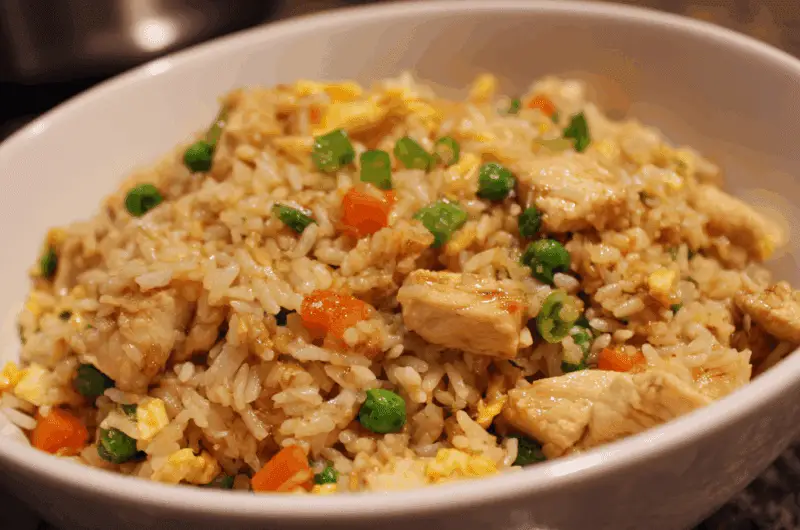
Easy Chicken Fried Rice
Course: Dinner4
servings15
minutes20
minutes267
kcalRestaurant-quality chicken fried rice made at home with tender chicken, perfectly separated grains, and a delicious savory sauce that beats takeout every time.
Ingredients
1 cup uncooked long grain jasmine rice
2 cups chicken broth or water
10 ounces chicken breast, diced into ½ inch pieces
1 cup yellow onion, diced
2 teaspoons garlic, minced
1½ cups frozen veggie mix (peas and carrots)
2 large eggs, lightly whisked
2 tablespoons green onions, chopped (plus more for garnish)
3 tablespoons coconut aminos or soy sauce, 1 tablespoon fish sauce, 1 tablespoon sesame oil, 1 teaspoon lime juice, 1 tablespoon brown sugar, 1-2 tablespoons sweet and sour sauce
Directions
- Cook the rice by bringing 2 cups of chicken broth to a boil in a saucepan. Add rice, cover, and reduce heat to medium-low. Simmer for 15 minutes until liquid is absorbed. Spread cooked rice on a baking sheet and refrigerate for at least 30 minutes to cool and dry out.
- Mix all sauce ingredients together in a small bowl. Transfer diced chicken to a separate bowl and pour 2 tablespoons of the sauce mixture over it. Stir well to coat the chicken evenly and let marinate while rice cools.
- Heat oil in a large skillet or wok over medium-high heat. Season marinated chicken with salt and pepper, then cook for 3-4 minutes per side until golden and cooked through. Remove chicken from pan and set aside.
- In the same pan, scramble the whisked eggs over medium heat until just set, about 1-2 minutes. Remove eggs and set aside with the chicken. Add more oil if needed.
- Add diced onion to the pan and cook for 2-3 minutes until softened. Add minced garlic and cook for another 30 seconds until fragrant. Add frozen vegetables and cook for 3 minutes, stirring frequently.
- Increase heat to high and add the chilled rice to the pan. Pour the remaining sauce over the rice and toss continuously for about 3 minutes until rice is heated through, lightly browned, and sauce is absorbed.
- Return the cooked chicken and scrambled eggs to the pan. Add the chopped green onions and toss everything together for 1-2 minutes until heated through and well combined.
- Remove from heat and serve immediately, garnished with additional green onions if desired. Taste and adjust seasoning with extra soy sauce or sesame oil as needed.
Notes
- Day-old refrigerated rice works best for this recipe. If using fresh rice, spread it on a baking sheet and chill for at least 30 minutes before using.
- For best results, use a large skillet or wok and cook over high heat to achieve that restaurant-style seared edge on the rice.
- Leftovers can be stored in the refrigerator for up to 3 days. Reheat in a skillet with a splash of oil or water to refresh the texture.
Frequently Asked Questions
Q: Can I use brown rice instead of white rice for fried rice?
A: Yes, brown rice works but requires some adjustments. It takes longer to cook initially and has a chewier texture. Make sure it’s completely cooled and dried before using, and you may need to cook it a bit longer in the pan to heat through properly.
Q: Why does my homemade fried rice always turn out mushy?
A: The most common cause is using fresh, warm rice instead of day-old cooled rice. Fresh rice contains too much moisture and will create a soggy, clumpy mess. Always use rice that’s been refrigerated for at least a few hours or overnight.
Q: Can I make fried rice without a wok?
A: Absolutely! A large nonstick skillet or even a regular large pan works fine. The key is using high heat and keeping the ingredients moving. You might not get the exact same “wok hei” smoky taste, but the results will still be delicious.
Q: How do I prevent the eggs from getting rubbery in fried rice?
A: Cook the eggs separately over medium heat and remove them from the pan before they’re completely set, as they’ll finish cooking when you add them back to the hot rice. Overcooking eggs directly in the pan with other ingredients almost always leads to rubbery texture.
