

You’ve been adding more fruit to your diet because everyone says it’s healthy, right? Maybe you’re trying to lose a few pounds or just want to make better choices at the grocery store. But here’s something that might surprise you: the way you’re eating fruit could actually be working against your weight loss goals. Many people think they’re making smart decisions when they grab that bottle of juice from the fridge, but doctors are now saying this common habit is one of the biggest mistakes you can make. And if you’re washing your strawberries with just a quick rinse under the tap, well, you might want to keep reading.
Drinking fruit juice instead of eating whole fruit
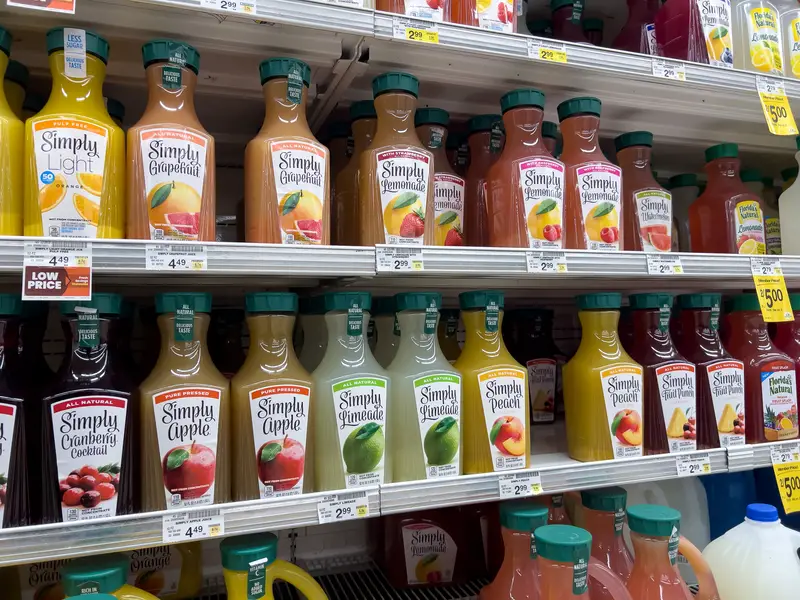
When you walk down the juice aisle and see those bottles labeled “100% fruit juice,” they seem like a healthy choice. The front of the bottle might even say it’s packed with vitamin C and made from real fruit. But here’s what most people don’t realize: juice is missing one of the most important parts of fruit that helps you lose weight. That missing piece is fiber. Without it, you’re basically drinking sugar water, even if it comes from natural fruit sources.
Dr. Mike Sevilla, a family physician, says he sees patients all the time who wonder why they’re not losing weight even though they’ve added fruit to their diet. When he asks questions, he usually finds out they’re drinking juice instead of eating whole fruit. The problem is that juice doesn’t fill you up the same way an actual apple or orange does. You can drink a whole glass in seconds, consuming way more calories and sugar than you would if you ate the fruit itself. Plus, your blood sugar spikes quickly when there’s no fiber to slow down the absorption, which can actually make you hungrier later.
Thinking all fruit is created equal for weight loss
Not all fruits affect your body the same way when you’re trying to lose weight. Some fruits are loaded with sugar and can cause your blood sugar to spike, while others have more fiber and less sugar overall. If you’re eating a ton of grapes or mangoes throughout the day, you might be taking in more sugar than you think. These fruits taste amazing because they’re naturally sweet, but that sweetness comes with a higher sugar content that can stall your weight loss efforts if you’re not careful about portions.
Dr. Mir Ali, a bariatric surgeon, points out that fruits with a lower glycemic index are better choices when you’re watching your weight. Berries like strawberries, blueberries, and raspberries are great options because they have less sugar and more fiber compared to tropical fruits. Citrus fruits like oranges and grapefruit are also good picks. The key is understanding that while fruit is healthy, it still contains sugar in the form of fructose. Even natural sugar counts when you’re trying to create a calorie deficit to lose weight. You don’t have to give up your favorite fruits completely, but being aware of which ones have more sugar helps you make better choices throughout the day.
Falling for juice cleanse trends
Juice cleanses seem to pop up everywhere on social media, with people claiming they lost weight or feel amazing after drinking nothing but juice for days. The marketing makes it sound like you’re flooding your body with nutrients and detoxifying at the same time. But doctors say these cleanses can actually mess with your weight loss progress. When you’re only drinking juice, you’re getting tons of sugar without any fiber to balance it out. Your body has to produce insulin to handle all that sugar, and when insulin is busy dealing with sugar, it’s not burning fat.
Dr. Sue Decotiis, a medical weight loss doctor, explains that juice cleanses basically do the opposite of what you want when trying to lose weight. Your insulin gets distracted from its fat-burning job because it’s too busy metabolizing all the fruit sugar you’re drinking. The irony is that people do these cleanses thinking they’ll jumpstart their weight loss, but they might actually be slowing down their progress. Plus, without protein and solid food, you’re probably going to feel hungry and tired. Once the cleanse ends, many people end up eating more than usual because they’ve been depriving themselves, which can lead to gaining back any weight they lost plus extra pounds.
Eating fruit without balancing it with protein
Grabbing an apple or banana as a snack seems healthy enough, but eating fruit by itself can leave you hungry again pretty quickly. When you eat fruit alone, especially varieties that are higher in sugar, your blood sugar rises and then crashes a couple hours later. That crash is what makes you reach for another snack, and before you know it, you’ve eaten way more calories than you planned. The cycle keeps repeating throughout the day, making it harder to stick to any kind of eating plan that would help you lose weight.
The solution is pretty simple: pair your fruit with some protein or eat it as part of a meal instead of by itself. Try eating your apple slices with a tablespoon of peanut butter, or toss some berries into Greek yogurt or cottage cheese. When you add protein, it slows down how quickly your body absorbs the sugar from the fruit. This keeps your blood sugar more stable and helps you feel full longer. Dr. Decotiis recommends this approach because it prevents those hunger swings that can derail your weight loss efforts. Even adding some nuts alongside your fruit makes a big difference in how satisfied you feel and how long that snack holds you over until your next meal.
Rinsing strawberries under the tap for five seconds
Most of us grab our strawberries from the fridge, give them a quick rinse under running water, and call it good. It feels like we’re doing the right thing by washing them before eating. But according to Dr. David Céspedes, a public health expert, that quick rinse isn’t doing much of anything. Strawberries actually accumulate more pesticides than almost any other fruit. Those chemicals don’t just wash away with a five-second rinse under the tap. You’re still eating most of those pesticides, which isn’t great for your body.
The problem gets worse when you stick those damp strawberries back in the fridge after rinsing them. The moisture makes them spoil faster, so you end up wasting money on fruit that goes bad before you can eat it. Dr. Céspedes shared that strawberries are one of the worst fruits for pesticide residue, with research showing that 95 percent of tested samples contained these chemicals. That’s a pretty high number. The good news is that there’s a better way to clean them that actually removes the residue and helps your strawberries last longer in the fridge.
Not soaking strawberries in salt or vinegar water
If you want to actually clean your strawberries properly, you need to soak them for about 10 minutes in water mixed with either salt or vinegar. Use a 3 percent solution, which means about three tablespoons of white vinegar or salt per cup of water. Fill a bowl with this mixture, drop your strawberries in, and let them sit. This gives the salt or vinegar time to break down the pesticide residue that’s coating the fruit. After the 10 minutes are up, rinse them thoroughly under clean water to wash away the vinegar or salt taste.
Once they’re rinsed, you need to dry them completely before storing them. Pat them with a clean towel or let them air dry on a paper towel for a bit. Then store them in a container that allows air to circulate around the fruit. Don’t just toss them back in the plastic container they came in while they’re still wet. This method keeps your strawberries fresh longer and makes sure you’re not eating a bunch of pesticides with your fruit. It takes a little extra time, but it’s worth it when you consider that you’re removing chemicals that can build up in your body over time.
Loading up on fruit while skipping vegetables
Fruit gets all the attention when people talk about eating healthy, but vegetables are actually the real stars for weight loss. Vegetables have way more fiber on average than fruit, much less sugar, and just as many vitamins and minerals. If you’re filling up on fruit throughout the day but barely eating any vegetables, you’re missing out on foods that would actually help you lose weight more effectively. A big salad with lots of different vegetables fills you up with hardly any calories, while eating the same volume of fruit would give you significantly more sugar and calories.
Dr. Decotiis points out that if you’re eating plenty of vegetables, you really only need about one piece of fruit per day. That might sound surprising, but vegetables give you most of the same nutritional benefits without the extra sugar. Think about adding more spinach, broccoli, peppers, and leafy greens to your meals instead of having fruit at every snack time. When you do eat fruit, choose ones with higher fiber content like apples or berries. You can even count avocado as your fruit serving for the day since it technically is a fruit, not a vegetable, and it’s packed with fiber and healthy fats that keep you full.
Ignoring portion sizes even with healthy fruit
Just because fruit is natural and healthy doesn’t mean you can eat unlimited amounts without any consequences. Fruit still has calories, and those calories add up quickly when you’re eating several servings throughout the day. A bunch of grapes here, a smoothie bowl piled with fruit there, some melon after dinner – it all counts. Many people don’t think about tracking fruit in their daily food intake because it seems so virtuous, but those calories and that natural sugar can definitely prevent weight loss if you’re overdoing it.
One serving of fruit is usually smaller than most people think. It’s one medium apple, one cup of berries, or half a banana. When you make a smoothie, you might be throwing in two bananas, a cup of strawberries, some mango, and juice, which adds up to way more than a single serving. That smoothie could have as many calories as a full meal. The same goes for those trendy fruit bowls topped with granola and honey. They look healthy on Instagram, but they’re often loaded with sugar and calories. Being aware of how much fruit you’re actually eating helps you stay within a reasonable calorie range for weight loss.
Making fruit the star instead of an addition to meals
Fruit works best when it’s adding a little sweetness to a balanced meal rather than being the main event. When you center a meal around fruit, like having a big fruit salad for lunch, you’re probably going to be hungry again in an hour or two. There’s not enough protein or fat to keep you satisfied. Instead, think of fruit as something that makes your meals taste better while adding some nutrients. Toss some apple chunks into a salad with walnuts and feta cheese. Add berries to your morning oatmeal or yogurt. These small additions give you the sweetness you’re craving without making fruit the only thing on your plate.
Dr. Sevilla suggests finding ways to incorporate fruit into dishes you already enjoy eating. Maybe you slice up some pears to go with your sandwich at lunch, or you add diced strawberries to a spinach salad. This approach helps you get the vitamins and fiber from fruit without relying on it as your main source of nutrition. You’re still getting all the benefits, but you’re also eating plenty of protein, healthy fats, and vegetables that actually support weight loss. The fruit becomes a nice complement to your meal rather than the foundation of it.
Making small changes to how you eat fruit can actually make a big difference in your weight loss results. Switch from juice to whole fruit, wash your strawberries properly, pair fruit with protein, and load up on vegetables instead of eating fruit all day long. These adjustments are pretty easy to make and don’t require you to give up fruit entirely. You just need to be a bit smarter about which fruits you choose, how much you eat, and how you prepare them. Your body will thank you, and you’ll probably start seeing better results on the scale too.
