

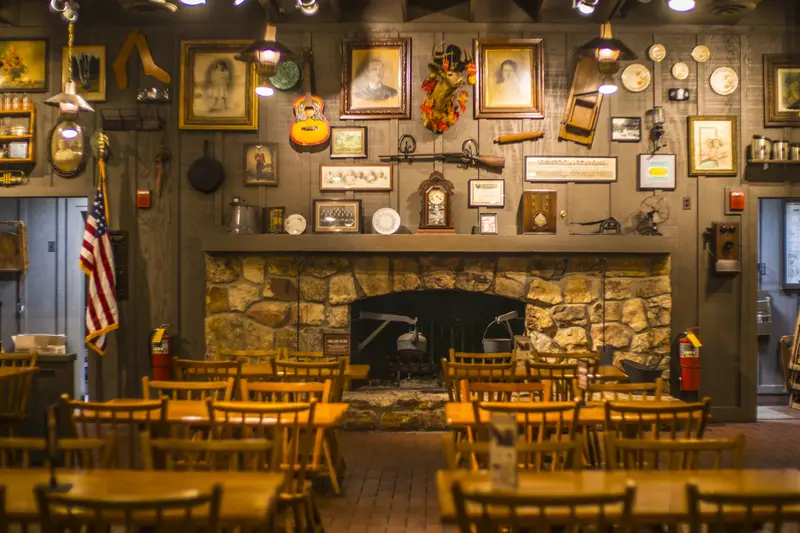
Remember when Cracker Barrel was the go-to spot for comfort food and that cozy country feel? Well, things have changed dramatically for the beloved restaurant chain. Customer visits have dropped a shocking 20 percent since 2019, and the situation keeps getting worse each quarter. Even with new leadership and major changes, people just aren’t coming back like they used to.
Prices went up way too much
The biggest reason people stopped going to Cracker Barrel is simple – it got too expensive. A typical family of four now spends around $75 for a meal that cost about $60 just two years ago. That’s a huge jump for families already dealing with higher grocery bills and gas prices. The restaurant raised prices by 8.8 percent in recent quarters, which pushed away their core customers who make less than $60,000 per year.
What makes this even worse is that Cracker Barrel used to be known as an affordable family restaurant. Parents could take their kids out for a nice meal without breaking the bank. Now, many families see it as a special occasion expense rather than a regular dining option. Aggressive pricing has turned what was once a budget-friendly comfort food destination into something many regular customers simply can’t afford anymore.
Food quality has gotten worse
Long-time customers are saying the food just doesn’t taste as good as it used to. Neal Klein, who’s been going to Cracker Barrel since the 1980s, remembers when the restaurant had almost Disney World quality service and memorable meals during family road trips. But his recent Thanksgiving dinner was disappointing – the food tasted cheap and the stuffing was gloppy and unappetizing because everything had started to congeal.
Both customers and employees have confirmed that food standards have dropped across different locations. The chain that once prided itself on consistent quality and distinctive Southern hospitality now struggles to maintain its former reputation. When regular customers notice the difference this clearly, it’s no wonder people are choosing to eat somewhere else instead.
Marketing efforts fell flat
While other restaurants bombarded customers with value deals and promotional campaigns, Cracker Barrel took a much quieter approach. Their marketing spend was reduced during key sales periods, which meant fewer people heard about any special offers or new menu items. When families are looking for deals to stretch their dining dollars, Cracker Barrel simply wasn’t on their radar because the competition was louder and more visible.
The company admits its marketing messages failed to connect with customers during important sales periods. Even when they did advertise, the campaigns didn’t resonate with people the way they hoped. Ineffective marketing combined with higher prices created a perfect storm that drove customers to restaurants that were actively courting their business with better deals and more appealing promotions.
The restaurant feels outdated and irrelevant
CEO Julie Felss Masino made a brutally honest admission in May 2024 when she told investors that Cracker Barrel is “just not as relevant as we once were.” She pointed out that some of their recipes and processes haven’t changed in decades. While the nostalgic country store atmosphere with rocking chairs was once charming, it now feels stuck in the past to many diners, especially younger customers.
The brand faces a tricky situation – changing too much threatens their core identity, but staying the same limits their ability to attract new customers. Unchanged approach since 1969 now works against them in a restaurant market where innovation and adaptation are crucial for survival. Many potential customers see Cracker Barrel as their grandparents’ restaurant rather than somewhere they’d choose to eat.
Customer traffic keeps dropping every quarter
The numbers tell a clear story of decline. Customer traffic dropped 1.7 percent in the second quarter, then 3.2 percent in the third quarter, and accelerated to a devastating 7.1 percent drop in the most recent quarter. Each quarter has been worse than the last, showing that whatever problems exist are getting more serious rather than improving over time.
Even when the restaurant managed slight sales increases, it was only because of higher prices, not because more people were coming in. Traffic declines throughout 2023 showed that the former CEO accurately predicted these negative patterns before being replaced. When fewer people walk through the doors each quarter, it signals fundamental problems that go beyond normal market fluctuations.
Store closures and financial losses
The financial impact has been severe enough to force store closures. Four Cracker Barrel locations closed in 2024, with the possibility of more closures ahead. Restaurant sales declined 1.5 percent, while retail shop sales also dropped. The company posted a $9.2 million net loss compared to a $14 million profit the previous year, showing how dramatically their financial situation has deteriorated.
These closures affect real communities where Cracker Barrel was often one of the few sit-down restaurant options. Revenue decreased to $671.3 million as the company struggled to maintain profitability. When a restaurant chain starts closing locations, it usually means the problems run deeper than temporary market challenges.
Attempts to fix things aren’t working fast enough
Cracker Barrel has tried several strategies to win back customers, including increased advertising spending, better marketing of value deals, additional staffing to improve service, and launching a new loyalty program. They even partnered with Dolly Parton for marketing exposure. The Cracker Barrel Rewards program exceeded enrollment expectations, giving the company some hope for the future.
Despite these efforts showing early promise with some monthly improvements, the overall 7.1 percent decline indicates there’s still substantial work to be done. Strategic initiatives take time to show results, but customers need reasons to come back now. The company’s transformation efforts may be heading in the right direction, but they haven’t reversed the negative trends yet.
Major transformation plan underway
After spending $16 million on research involving customers and employees nationwide, Cracker Barrel announced a massive $600-700 million transformation plan. This multi-year effort focuses on five main areas: improving the brand image, upgrading the menu, evolving store designs, expanding digital options, and making the employee experience better. They even reduced their quarterly dividends to redirect money toward these core improvements.
The plan includes sophisticated location-based pricing, with 150 stores moved to higher pricing tiers and 70 to lower tiers based on what local customers are willing to pay. The transformation plan represents a significant investment in trying to revitalize the brand without completely overhauling what made it iconic. However, such major changes take years to implement fully, and customers are making decisions about where to eat right now.
Some improvements are starting to show
Not everything is doom and gloom for Cracker Barrel. Some operational improvements are already visible – employee turnover decreased by 10 percentage points, wait times for seating improved by 8 percent, and missing items for takeout orders decreased by 18 percent. Google star ratings even increased from 4.1 to 4.2, suggesting that recent changes are having some positive impact on customer satisfaction.
The company also reports improved customer value perception scores despite August price increases, and some locations are seeing better results. Early signs of improvement give hope that the transformation efforts might eventually work. However, these small improvements haven’t been enough to offset the larger trends of declining customer traffic and financial losses that continue to challenge the restaurant chain.
Cracker Barrel’s struggles show how quickly a beloved restaurant can lose its connection with customers. Higher prices, declining food quality, and outdated approaches have driven away the families who once made it a regular dining destination. While the company is investing heavily in changes, reversing years of customer losses will take time and consistent execution that truly addresses what people want.
