

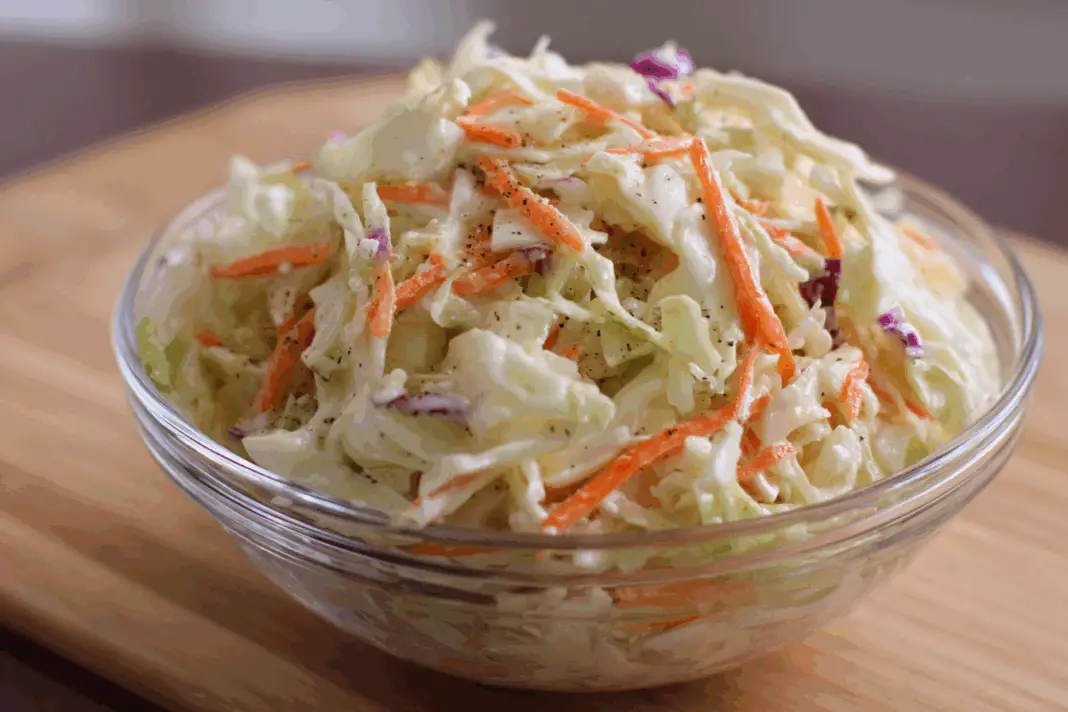
Picture this: you’re preparing for a backyard barbecue, and everything’s going perfectly until you lift the lid on your coleslaw. Instead of crisp, crunchy vegetables, you’re staring at a watery, limp mess that looks more like soggy lettuce soup. Sound familiar? Most home cooks make the same handful of mistakes when preparing coleslaw, turning what should be a refreshing side dish into a disappointing disaster. The good news is that these mistakes are completely avoidable once you know what to watch out for.
Skipping the salt step ruins everything
The biggest mistake that ruins coleslaw happens before you even think about dressing. Cabbage naturally holds tons of water, and when you skip the salting step, all that moisture seeps out after you’ve already mixed everything together. This creates a pool of diluted dressing at the bottom of your bowl, leaving you with soggy vegetables and weak taste. Salt draws out excess moisture through a process called osmosis, but you need to give it time to work its magic.
The proper technique involves sprinkling about one tablespoon of salt per head of cabbage, then letting it sit in a colander for at least 30 minutes. During this time, you’ll see water pooling at the bottom – that’s exactly what you want. After the waiting period, rinse the cabbage thoroughly to remove excess salt, then dry it completely with paper towels or a salad spinner. This salting technique makes the difference between restaurant-quality coleslaw and the soggy mess most people end up with.
Using the wrong cabbage type
Not all cabbages work the same way in coleslaw, and choosing the wrong variety can doom your dish from the start. Green cabbage remains the gold standard because it has the perfect balance of crispness, mild taste, and structural integrity. Its tightly packed leaves hold up beautifully to dressing while maintaining their crunch for hours. Red cabbage looks stunning but tends to be more bitter and can turn creamy dressings an unappetizing purple color.
Napa cabbage and Chinese cabbage might seem like good alternatives, but they’re actually too soft and delicate for traditional coleslaw. These varieties break down quickly when dressed, leaving you with mushy results. When shopping, choose heads that feel heavy for their size and very firm to the touch. The outer leaves should be crisp and bright, not wilted or yellowing. Fresh cabbage makes all the difference in achieving that perfect crunch everyone loves.
Cutting vegetables unevenly
When vegetables are cut to different sizes, some pieces become soggy while others stay too crunchy, creating an uneven eating experience. Thick chunks of cabbage won’t absorb dressing properly, while pieces that are too thin become limp and overpowered by the sauce. The ideal cut for cabbage is thin, uniform shreds about 1/8 to 1/4 inch thick. This allows for perfect balance between crunch and the ability to absorb just the right amount of dressing.
To achieve consistent results, remove outer leaves, quarter the cabbage head, cut out the tough core, then slice thinly with a sharp knife. A mandoline slicer or food processor with a slicing disc ensures uniform thickness every time. For carrots, use a box grater rather than chopping into chunks, which don’t integrate well with the cabbage. Other vegetables like bell peppers should be cut into thin slices or small dices that blend harmoniously with the shredded cabbage. Uniform cutting ensures every bite tastes exactly the same.
Adding too much dressing too soon
Even properly prepared cabbage can turn soggy if you drown it in dressing or add it too early. The dressing should lightly coat the vegetables, not create a swimming pool at the bottom of the bowl. When cabbage sits in excessive dressing, it continues releasing moisture, which dilutes the sauce and creates that dreaded watery texture. Start with about 1/4 cup of dressing per 4 cups of vegetables, and add more gradually as needed.
Timing matters just as much as quantity. Dress your coleslaw no more than 20 minutes before serving for optimal results. If you’re preparing for a party or potluck, keep the vegetables and dressing separate until the last moment. This technique works especially well for outdoor events where food sits out longer. For extended serving times, consider using a vinegar-based dressing instead of mayonnaise-based ones, as they help preserve crispness longer and are safer at room temperature. Proper timing prevents the soggy disappointment that ruins so many coleslaws.
Ignoring the microwave trick
Here’s a secret that professional chefs use: briefly microwaving shredded cabbage before making coleslaw can actually improve the final result. This technique breaks down the cabbage’s cell walls slightly, releasing water that would otherwise leach out during storage. The process doesn’t cook the cabbage enough to make it soft – it retains its crunch while releasing excess moisture that you can drain away before adding dressing.
To use this method, place shredded cabbage in a microwave-safe bowl and microwave on high for about 60 seconds per 4 cups of cabbage. Transfer immediately to a colander and let drain for 10 minutes. The cabbage should be completely cool before adding any dressing, as warm cabbage will cause mayonnaise-based dressings to separate and become oily. This microwave technique might sound unusual, but it’s a game-changer for achieving restaurant-quality results at home.
Not balancing sweet and tangy elements
Great coleslaw needs harmony between sweet, tangy, salty, and creamy elements. Too much vinegar creates a harsh, acidic bite that makes people wince. Too much sugar turns your side dish into dessert. The key is finding the perfect balance that complements your main course. If your coleslaw tastes too acidic, add a small amount of sugar or honey. If it’s too sweet, balance it with more vinegar or fresh lemon juice.
Don’t forget about herbs and spices, which add complexity without overwhelming the basic ingredients. Freshly ground black pepper provides depth that pre-ground versions can’t match. Celery seed, caraway, or mustard seed add interesting layers of taste. Temperature also affects perception – cold temperatures suppress taste, so remove your coleslaw from the refrigerator about 15 minutes before serving. Proper seasoning transforms bland cabbage into something people actually want to eat.
Using pre-packaged coleslaw mix
Those convenient bags of pre-shredded coleslaw mix seem like a time-saver, but they’re often the reason your coleslaw turns out disappointing. Pre-cut cabbage begins losing moisture and nutrients immediately after cutting, becoming limp and tasteless. These mixes typically contain lower-quality cabbage that’s been sitting cut for days, plus preservatives that can create an off taste that no amount of dressing can mask.
If you absolutely must use a pre-packaged mix, examine it carefully and discard any pieces that look brown or wilted. Wash it thoroughly, spin it dry, and still follow the salting process to draw out excess moisture. However, preparing fresh cabbage takes only a few minutes with a sharp knife or food processor and significantly improves the final quality. The difference between fresh and pre-cut ingredients is immediately noticeable in both taste and texture. Fresh preparation always wins when it comes to coleslaw that people actually want seconds of.
Serving it immediately after mixing
Many people make their coleslaw and serve it right away, missing out on the magic that happens during resting time. Just like marinating meat, coleslaw benefits from allowing the dressing to penetrate the vegetables and the seasonings to meld together. The ideal resting time is about 30 minutes in the refrigerator after mixing. This gives enough time for the vegetables to absorb the dressing without becoming soggy, assuming you’ve prepared the cabbage properly.
Different types of coleslaw have different optimal resting times. Vinegar-based slaws actually improve with longer resting periods because the acidity helps preserve the vegetables’ crunch. Mayonnaise-based slaws are best served after a shorter resting period. If making mayo-based coleslaw well in advance, consider adding just a portion of the dressing initially, then refreshing with additional dressing just before serving. Proper resting allows all the components to come together into something greater than the sum of its parts.
Poor storage ruins leftovers
Coleslaw requires careful storage to maintain its quality and safety. It should never sit out at room temperature for more than two hours, or one hour if the temperature exceeds 90°F. When serving at outdoor events, keep it in a cooler with ice packs and return it promptly after serving. Many people make the mistake of leaving coleslaw on the counter during parties, not realizing that mayonnaise-based dressings can become unsafe relatively quickly in warm conditions.
For storage, transfer leftover coleslaw to an airtight container and refrigerate immediately. Properly stored coleslaw will keep for 3-4 days, though quality is best within the first 48 hours. Vinegar-based coleslaws can be frozen for longer storage, while mayonnaise-based versions generally don’t freeze well. When freezing, leave some headspace in containers for expansion, and thaw in the refrigerator overnight before serving. Proper storage ensures your coleslaw stays fresh and safe for everyone to enjoy.
The difference between soggy, disappointing coleslaw and the crisp, refreshing side dish everyone loves comes down to these simple techniques. By salting your cabbage, choosing the right ingredients, cutting everything uniformly, and timing your dressing correctly, you’ll never again have to apologize for watery coleslaw. These methods work whether you’re making a small batch for dinner or preparing large quantities for a crowd, turning this humble side dish into something people actually look forward to eating.
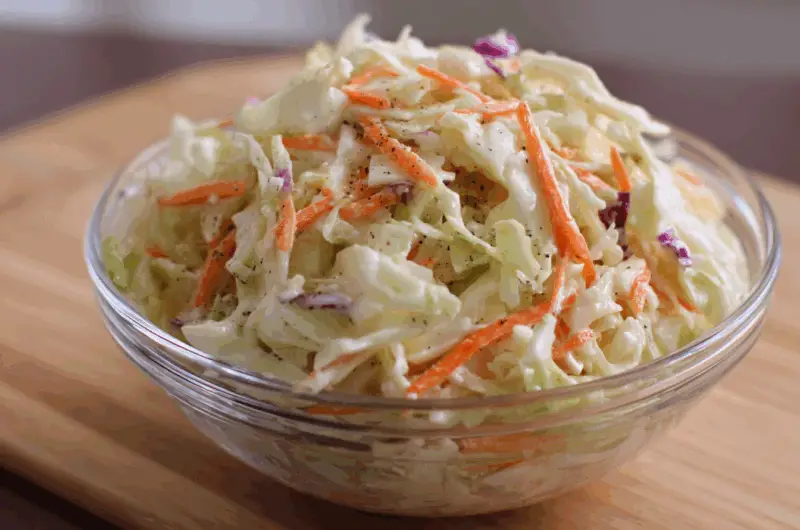
Perfect Crispy Coleslaw
Course: Side Dish8
servings15
minutes145
kcalA foolproof coleslaw recipe that stays crisp and crunchy with the perfect balance of creamy dressing and fresh vegetables.
Ingredients
1 medium head (about 2 pounds) green cabbage
2 large carrots, peeled
1 tablespoon kosher salt (for drawing out moisture)
3/4 cup mayonnaise
2 tablespoons apple cider vinegar
1 tablespoon Dijon mustard
2 teaspoons granulated sugar
1 teaspoon celery seeds
1/2 teaspoon freshly ground black pepper
Directions
- Remove the outer leaves from the cabbage and cut it into quarters. Remove the tough core from each quarter, then place each quarter flat side down on your cutting board. Use a sharp knife to slice the cabbage into very thin shreds, about 1/8 to 1/4 inch thick. Transfer the shredded cabbage to a large colander placed over a bowl.
- Sprinkle the tablespoon of kosher salt over the shredded cabbage and toss gently to distribute evenly. Let the cabbage sit in the colander for 30 minutes to draw out excess moisture. You’ll see water pooling at the bottom of the bowl – this is exactly what you want to happen.
- While the cabbage is draining, shred the carrots using a box grater or food processor with a grating disc. Set the shredded carrots aside until ready to use.
- After 30 minutes, rinse the cabbage thoroughly under cold water to remove the excess salt. Drain well, then transfer to clean kitchen towels or paper towels and pat completely dry. You can also use a salad spinner to remove excess moisture – the drier the cabbage, the better your coleslaw will be.
- In a large bowl, whisk together the mayonnaise, apple cider vinegar, Dijon mustard, sugar, celery seeds, and black pepper until smooth and well combined. Taste the dressing and adjust seasoning as needed – it should have a perfect balance of creamy, tangy, and slightly sweet notes.
- Add the dried cabbage and shredded carrots to the bowl with the dressing. Using tongs or two large spoons, gently toss the vegetables with the dressing until everything is lightly and evenly coated. Start with about 3/4 of the dressing and add more as needed – you want the vegetables coated but not swimming in dressing.
- Cover the bowl with plastic wrap and refrigerate the coleslaw for at least 30 minutes and up to 2 hours before serving. This resting time allows the dressing to penetrate the vegetables and the seasonings to meld together while maintaining the crispness of the properly prepared cabbage.
- Before serving, remove the coleslaw from the refrigerator and let it sit at room temperature for about 10 minutes. Give it a final gentle toss to redistribute any dressing that may have settled. Serve immediately as a side dish with grilled meats, fried chicken, or your favorite barbecue dishes.
Notes
- For a time-saving alternative, you can use the microwave method: microwave shredded cabbage for 60 seconds per 4 cups, then drain for 10 minutes and cool completely before adding dressing.
- For outdoor events or longer storage, consider making a vinegar-based version by replacing the mayonnaise with 1/4 cup olive oil and increasing the vinegar to 1/4 cup.
- Leftover coleslaw can be stored in the refrigerator for up to 3 days, though it’s best consumed within 48 hours for optimal crispness.
- Customize your coleslaw by adding thinly sliced bell peppers, diced apples, or chopped fresh herbs like parsley or dill.
Frequently Asked Questions
Q: Why does my coleslaw always turn out watery even when I follow recipes exactly?
A: The most common cause is not properly managing the cabbage’s natural moisture content. Always salt your shredded cabbage and let it drain in a colander for at least 30 minutes before rinsing and drying thoroughly. This step removes excess water that would otherwise dilute your dressing and create that soggy texture.
Q: How far ahead can I make coleslaw without it getting soggy?
A: If you’ve properly salted and dried your cabbage, you can make complete coleslaw up to 2 hours before serving. For longer advance preparation, keep the vegetables and dressing separate for up to 24 hours, then combine them 30 minutes before serving. Vinegar-based coleslaws hold up better for longer periods than mayonnaise-based versions.
Q: Can I use pre-packaged coleslaw mix instead of fresh cabbage?
A: While convenient, pre-packaged mixes often result in inferior coleslaw because the cabbage has been cut for days and loses moisture and crispness. If you must use it, examine it carefully, discard any wilted pieces, wash thoroughly, and still follow the salting process. Fresh cabbage takes only minutes to prepare and produces significantly better results.
Q: What’s the best way to fix coleslaw that’s too sweet or too tangy?
A: If your coleslaw is too sweet, add more apple cider vinegar or fresh lemon juice gradually until balanced. If it’s too tangy or acidic, add small amounts of sugar or honey. You can also add more mayonnaise to mellow strong acids. Always taste and adjust gradually – it’s easier to add more than to fix an over-corrected coleslaw.
