

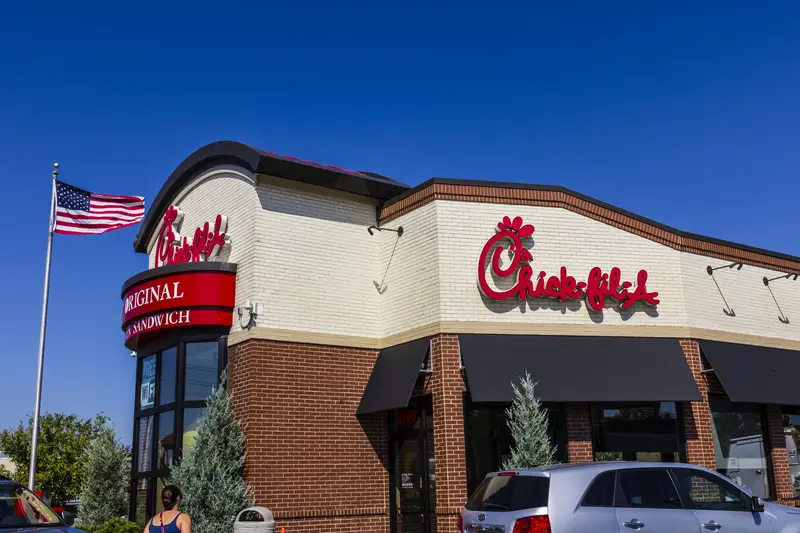
Working at Chick-fil-A comes with its fair share of challenges, and while most customers are pleasant, some habits really get under employees’ skin. Some of these annoying behaviors might surprise you because people often think they’re being helpful or polite. From ordering mishaps to well-meaning gestures that actually create more work, understanding what drives fast-food workers crazy can help everyone have a better experience. Let’s look at what really bothers the people behind the counter.
Asking for large milkshakes that don’t exist anymore
This one tops the list of frustrations for Chick-fil-A workers. Since 2021, the restaurant stopped offering large milkshakes, but customers keep asking for them anyway. When employees explain that only one size is available now, some people get upset and blame the worker at the window. One employee shared that customers will look at their shake and say things like “THIS IS A LARGE??” in an accusatory tone, forcing them to repeatedly explain the policy they had nothing to do with creating.
The reason Chick-fil-A removed the large option was to make things faster and simpler, leaving room for new menu items. The difference wasn’t even that big to begin with—the old sizes were 16 ounces and 20 ounces, just a four-ounce gap. Still, this seemingly small change has caused major headaches for workers who face customer anger daily. There’s even an online petition begging for large shakes to return, proving how much people care about those extra few ounces.
Trying to explain how to make menu items
Maybe you worked at a fast-food place years ago, or maybe your cousin told you the secret ingredient list. Either way, telling employees how to make something on their own menu comes across as condescending. Workers already know the recipes, and if they don’t, they have systems in place to look them up quickly. When customers insist on walking them through the steps, it implies they think the employee is incompetent or needs their help to do a basic job.
This habit becomes especially annoying when the information is outdated. Menu items change, ingredients get swapped out, and recipes get updated all the time. That sandwich you remember from five years ago might not be made the same way anymore. Employees at McDonald’s mentioned this happens constantly because so many people have worked there at some point. Instead of trying to be helpful, just let workers do their job and trust they know what they’re doing.
Taking forever to count out exact change
Paying with exact change seems like a nice gesture—you’re saving the cashier from having to count back money, right? Wrong. The problem isn’t paying with coins; it’s spending three minutes digging through your purse or car console to find the perfect combination of quarters and dimes. While you’re hunting for that last nickel, the line backs up, other customers get impatient, and the worker has to deal with everyone’s frustration.
Modern registers calculate change instantly, making it one of the easiest parts of a cashier’s job. A Burger King employee explained that counting back change is actually faster than waiting for someone to find exact coins. The angry customers stuck behind you become a much bigger problem than any convenience your exact change might provide. If you want to pay with cash, have it ready and accessible before you get to the window. Otherwise, just hand over bills and accept your change.
Starting pay-it-forward chains in the drive-thru
This might sound crazy because paying for someone else’s meal is genuinely kind. However, these chains create chaos during busy times. When people feel obligated to continue the chain, they start explaining their decisions to the cashier, apologizing if they can’t afford to participate, or telling long stories about why the gesture means so much to them. All of this happens while cars pile up behind them and the morning rush becomes a logistical nightmare.
The biggest problem is tracking everything correctly. Workers have to remember which order goes to which car while also keeping track of who’s paying for what. This opens the door for register mistakes and wrong orders getting handed out. A barista at a coffee chain said these payment chains are her least favorite thing to deal with. If you want to do something nice, maybe pick a slower time of day or just tip the worker directly instead.
Reaching over the counter to grab items yourself
That stack of napkins or container of lime wedges looks so close, and you’re just trying to help speed things up. But reaching over the counter or glass barrier creates problems you probably haven’t considered. First, it usually violates restaurant policy. Second, your hands might not be as clean as you think, and now you’ve potentially contaminated items that other customers will use. A Chipotle worker mentioned having to throw away entire containers of lime slices after someone reached over and grabbed one.
Even grabbing individually wrapped items like utensils or sauce packets isn’t okay if they’re behind the counter. There’s a reason some things are positioned where only employees can access them—it’s store policy that workers must hand them to you. It’s not about making your life harder; it’s about maintaining health standards and following company rules. Just ask politely for what you need. The worker is happy to grab it for you, and it only takes a few seconds.
Telling workers to break rules for convenience
Sometimes a substitution or special request seems simple, and you might think you’re being nice by telling the employee to “just do it” their way instead of following complicated procedures. The problem is that these systems exist for reasons beyond what customers can see. Making unauthorized changes can throw off inventory counts, mess up pricing calculations, and get workers in trouble with their managers. What seems like a five-second fix on your end could create problems that last for days.
One worker explained that a customer told them to just charge the original price even if a substitution cost more, thinking they were being generous. But accepting less money than the system requires creates discrepancies that someone has to account for later. You’re not the employee’s boss, so you can’t actually give them permission to break rules, even with good intentions. Let workers follow their training and procedures, even when it seems inefficient from your perspective. They know what they’re doing.
Forcing tips on workers who can’t accept them
Tipping seems like an obvious way to show appreciation, but many fast-food restaurants have strict no-tipping policies. When you insist on leaving cash or adding extra money to your bill after a worker has explained they’ll get in trouble for accepting it, you’re putting them in an awkward position. They want to be polite and grateful, but they also don’t want to risk their job. Some customers try to be sneaky about it, sliding money across the counter or hiding it in a handshake, which makes things even worse.
A former Little Caesars employee said people would insist they were “just trying to be nice” even after being told tips weren’t allowed. The gesture comes from a good place, but it shows a lack of respect for the employee’s situation. If you want to show appreciation at a place that doesn’t allow tips, leave a positive review online or fill out a customer survey mentioning the worker by name. That kind of recognition can actually help their career without putting them at risk.
Making comments about their job conditions
When you see someone working late hours, dealing with a long line by themselves, or handling difficult conditions, your first instinct might be to express sympathy. Comments like “I can’t believe they make you work so late” or “This place should treat you better” probably feel supportive in your head. However, these remarks actually come across as patronizing because the worker can’t do anything about their situation. You’re just pointing out something uncomfortable that they’re already well aware of.
A retired man who works at a burger chain said the worst comments come from people who feel sorry that he’s working at his age. He chose this job and doesn’t need pity from customers. If you genuinely have concerns about how a company treats its employees, the person at the register isn’t the one who can fix it. Instead, speak to a manager, contact corporate, or simply choose not to give that business your money. Better yet, just offer a genuine compliment about their service instead.
Apologizing for eating fast food or coming in often
Some customers feel the need to explain or apologize for their food choices, especially if they come in frequently or order something particularly indulgent. They’ll say things like “I know this is terrible for me” or “I promise I don’t eat here every day” as if the worker is judging their life choices. The truth is, fast-food employees really don’t care what you’re eating or how often you visit. They’re not keeping track of your orders or thinking about your habits after you drive away.
A pizza chain employee pointed out that he works at a place famous for unhealthy food, so why would he judge anyone for eating it? These unnecessary apologies make interactions awkward and waste time. Workers are there to take your order and move on to the next customer, not to evaluate your diet or lifestyle. You don’t owe anyone an explanation for what you choose to eat. Just order your food confidently and enjoy it without the weird guilt trip.
Understanding what bothers fast-food workers doesn’t mean you need to walk on eggshells every time you order a chicken sandwich. Most employees appreciate customers who are simply polite, patient, and straightforward. Skip the well-meaning gestures that actually create more work, resist the urge to help them do their job, and definitely stop asking for those large milkshakes that haven’t existed since 2021. These small changes make everyone’s day go smoother, and you’ll probably get your food faster too.
