

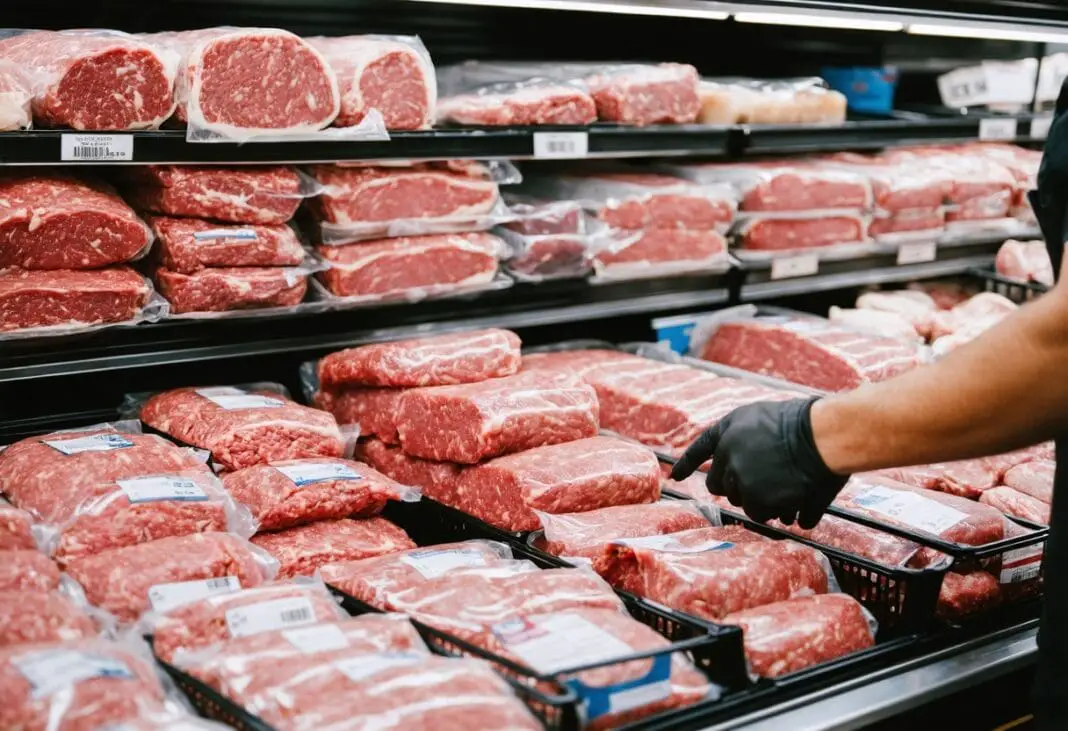
When standing in the meat aisle staring at packages labeled “85% lean” or “93% lean,” most people assume they’re making a healthy choice without really understanding what those numbers mean. The truth is, the lean ground beef industry has some surprising facts that might change how you shop for and cook with this popular protein. From understanding fat percentages to knowing which cuts actually qualify as heart-healthy, there’s more to lean beef than meets the eye.
Lean ground beef percentages work backwards from what you’d expect
Most shoppers see “90% lean” and think it means 90% of the beef is pure protein. Actually, that percentage refers to the weight of the meat after removing fat, not the nutritional content. A pound of 90% lean ground beef contains about 1.6 ounces of fat mixed throughout the meat. The remaining 14.4 ounces is lean meat, which includes water, protein, and other components. This means you’re not getting 90% protein – you’re getting meat that’s 90% non-fat by weight.
The fat content directly affects cooking behavior and taste. Lean ground beef with higher percentages will release less grease during cooking but can become dry if overcooked. The 80/20 blend (80% lean, 20% fat) remains popular because the fat keeps burgers and meatballs moist. However, 93% or 96% lean versions work better for dishes where you don’t want excess grease, like tacos or pasta sauces where you’d normally drain the fat anyway.
Extra-lean certification requires specific fat and cholesterol limits
The term “extra-lean” isn’t just marketing speak – it’s an official USDA designation with strict requirements. To earn this label, ground beef must contain less than 5 grams of total fat, less than 2 grams of saturated fat, and less than 95 milligrams of cholesterol per 3.5-ounce serving. This typically translates to 96% lean ground beef or higher. Regular “lean” designation requires less than 10 grams of total fat and 4.5 grams of saturated fat per serving.
Nine specific beef cuts have earned the American Heart Association’s Heart-Check certification, including extra-lean ground beef. This certification process involves rigorous testing and documentation. Bottom Round Steak and Top Sirloin Steak also make the list when they meet USDA Select grade standards. These certifications help consumers identify options that fit into balanced eating patterns without requiring a nutrition degree to decipher labels.
Price per pound doesn’t tell the whole story
Lean ground beef costs more per pound than regular ground beef, but the math changes when you factor in cooking losses. A pound of 80/20 ground beef might cost $5.99, while 93/7 costs $7.99. However, the fattier version will lose about 3-4 ounces of weight during cooking as fat renders out. The leaner version loses only about 1-2 ounces, meaning you end up with more actual cooked meat from the higher-priced package.
Restaurant chains have figured this out and often use leaner blends to control food costs. When you cook a pound of 80/20 beef, you might end up with 12 ounces of cooked meat. A pound of 93/7 yields closer to 14-15 ounces. This means the cost per serving of cooked meat is often similar between the two options. Lean cuts also require less cleanup since there’s minimal grease to drain or wipe from pans.
Cooking methods need adjustment for different fat levels
Lean ground beef requires different cooking techniques than regular ground beef to avoid dry, tough results. The lower fat content means less natural basting during cooking, so these blends benefit from shorter cooking times and lower temperatures. Adding a small amount of oil to the pan helps prevent sticking and adds moisture. Many cooks make the mistake of treating 93% lean beef the same as 80/20, resulting in disappointing texture and taste.
Professional chefs often mix lean ground beef with ingredients that add moisture back into the mixture. Grated onions, mushrooms, or even a splash of beef broth can compensate for the reduced fat content. Mediterranean-style preparations work particularly well with lean beef because they incorporate olive oil and vegetables that provide flavor and moisture. The key is treating lean beef as a different ingredient rather than a direct substitute.
Ground beef grades affect more than just price
USDA grades like Choice and Select significantly impact the final product, especially in lean ground beef. Select grade beef tends to be leaner overall, making it easier for producers to achieve those high lean percentages. Choice grade beef has more marbling throughout, which can make it harder to reach 93% or 96% lean ratios. Prime grade beef is rarely used for ground beef due to its high fat content and premium pricing for steaks and roasts.
The source cuts used for grinding also matter more in lean blends. Chuck, round, and sirloin cuts each contribute different characteristics to ground beef. Round cuts like bottom round and eye of round are naturally leaner, making them common choices for high-percentage lean ground beef. Chuck provides more flavor but requires careful fat trimming to meet lean standards. Some premium ground beef blends specify the exact cuts used, giving consumers more control over flavor and texture.
Storage and shelf life differ between fat levels
Lean ground beef actually has a shorter refrigerator shelf life than regular ground beef. The lower fat content means less natural preservation, and lean beef tends to develop off-flavors more quickly. While 80/20 ground beef typically stays fresh for 3-4 days in the refrigerator, 93% lean versions should be used within 2-3 days of purchase. The reduced fat also makes lean ground beef more susceptible to freezer burn if not properly wrapped.
Freezing techniques become more important with lean ground beef. Dividing it into portion-sized packages and removing as much air as possible helps maintain quality. Proper storage can extend freezer life to 3-4 months, but lean beef should be thawed more carefully than regular ground beef. Quick thawing methods can cause moisture loss, making the already lean meat even drier when cooked.
Nutritional content varies beyond just fat numbers
A 3-ounce serving of cooked lean ground beef provides about 50% of the daily value for protein, along with significant amounts of iron, zinc, and B vitamins. The leaner the beef, the more concentrated these nutrients become per calorie. However, some fat-soluble vitamins are reduced in ultra-lean versions. The iron in beef is heme iron, which the body absorbs more easily than the iron found in plant sources like spinach or beans.
Interestingly, beef contains the same type of monounsaturated fat found in olive oil and avocados. More than half of the fatty acids in beef are actually monounsaturated, challenging the assumption that all beef fat is problematic. About one-third of beef’s saturated fat is stearic acid, which research suggests has a neutral effect on blood cholesterol levels. This means even the fat in lean beef isn’t necessarily something to completely avoid.
Grass-fed versus grain-finished affects lean percentages
Grass-finished beef is naturally leaner than grain-finished beef, making it easier to achieve high lean percentages without special processing. However, this doesn’t automatically make it better – just different. Grass-finished beef typically has a more intense, sometimes gamier flavor that some people prefer while others find too strong. The texture can also be slightly different, with less marbling throughout the meat affecting both cooking behavior and taste.
Both grass-finished and grain-finished beef provide similar essential nutrients, though the fatty acid profiles differ slightly. All cattle spend the majority of their lives eating grass regardless of finishing method. The choice between grass-finished and grain-finished lean ground beef often comes down to personal preference for taste and texture rather than significant nutritional differences. Price points also vary considerably, with grass-finished options typically commanding premium prices.
Restaurant and food service use different standards
Many restaurants advertise “lean beef” without specifying exact percentages, leading to confusion for consumers trying to make informed choices. Fast-casual chains often use 85% lean ground beef as their standard, while some higher-end establishments opt for 90% or 93% lean. The cooking methods used in commercial kitchens – like flat-top grills that allow fat to drain away – can make even regular ground beef seem leaner than home-cooked versions.
Food service suppliers often offer custom lean percentages that aren’t available to consumers, like 87% or 91% lean blends. These intermediate percentages help restaurants balance cost, taste, and cooking performance. Professional kitchens also have techniques for managing lean beef that home cooks might not know, like adding beef stock powder or using steam injection during cooking to maintain moisture levels.
Understanding lean ground beef goes far beyond reading percentages on packages. From cooking techniques to storage requirements, lean beef behaves differently than regular ground beef in almost every aspect. The next time someone debates whether to spend extra on 93% lean versus 85% lean, remember that the choice involves trade-offs in cost, cooking methods, shelf life, and flavor that extend well beyond simple fat content.
