

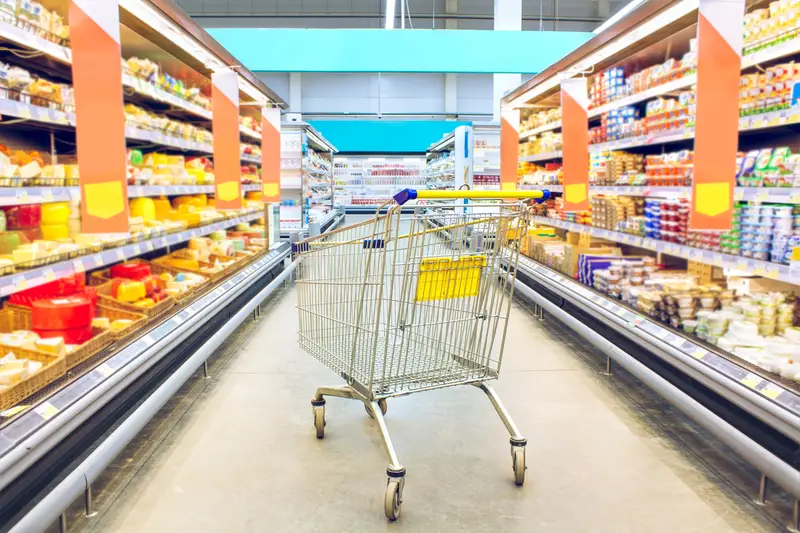
That moment when you check your receipt and wonder how you just spent $200 on what feels like three bags of groceries? You’re not alone. The average American household drops over $800 monthly on groceries, but here’s the kicker – a huge chunk of that money goes toward items that cost way more than they should. From sneaky marketing tricks to convenience fees you never noticed, grocery stores have mastered the art of making us pay premium prices for everyday items.
You’re buying pre-cut produce without realizing the markup
Walk down the produce aisle and you’ll see those convenient containers of pre-sliced pineapple, chopped onions, and bagged salad mixes. They look so tempting when you’re rushing through your weekly shopping, but the price difference is shocking. That container of pre-cut pineapple chunks costs around $5 for 18 ounces, while a whole fresh pineapple runs about $2.69 and gives you 27 ounces of fruit. You’re paying almost triple the price for someone else to do five minutes of cutting.
The same pattern repeats across the entire produce section. Pre-washed lettuce, sliced mushrooms, and chopped bell peppers all carry hefty convenience fees. Choosing precut produce can easily double or triple your produce bill without you realizing it. Sure, washing and chopping vegetables takes time, but the money you save adds up quickly. A sharp knife and ten extra minutes in the kitchen can slash your produce costs significantly while giving you fresher ingredients.
Name brand products cost 40% more than store brands
That familiar logo on the cereal box or pasta sauce jar comes with a serious price tag. Store brands typically cost 40% less than their name-brand counterparts, and here’s the secret the big companies don’t want you to know – many store brands are made in the exact same factories as the expensive versions. The only difference is the label slapped on the package. Your local grocery chain contracts with major manufacturers to produce their house brands using nearly identical recipes and quality standards.
Generic medications, cleaning supplies, and pantry staples like flour, sugar, and canned goods show the biggest savings when you switch to store brands. Shopping grocery store brands can cut your monthly grocery bill by hundreds of dollars. The taste and quality differences are often so minimal that blind taste tests regularly show people can’t tell the difference. Next time you reach for that familiar package, grab the store version sitting right next to it and watch your savings grow.
Single-serve snacks and drinks carry massive markups
Those individual bags of chips, single-serving yogurt cups, and small juice boxes seem reasonably priced until you do the math. A box of granola bars might cost $6 for eight bars, while the same amount of granola bought in bulk and portioned at home costs under $3. The packaging industry has convinced us to pay premium prices for tiny portions wrapped in extra plastic. Each time you grab a single-serve item, you’re paying for individual packaging, marketing, and the convenience of not having to portion things yourself.
The markup on beverages is even more dramatic. A 12-pack of soda costs about the same as three individual bottles from the cooler section. Pre-portioned snacks and drinks can easily double your snack budget. Buy larger sizes and invest in reusable containers for work and school lunches. Your wallet will thank you, and you’ll reduce the mountain of packaging waste that comes with individually wrapped everything. A good set of small containers pays for itself within weeks.
Processed convenience foods cost more than homemade versions
That frozen lasagna dinner for $12 seems like a bargain until you realize the same dish costs about $6 to make from scratch and feeds twice as many people. Convenience foods carry enormous markups because companies know busy families will pay extra to skip the cooking. Boxed mac and cheese, frozen pizzas, and pre-made soups all cost significantly more per serving than their homemade equivalents. The ingredients in most processed foods are surprisingly simple and cheap – it’s the processing, packaging, and marketing that drive up the price.
Even seemingly complex items like pasta sauce or salad dressing are much cheaper to make at home. Processed foods cost more than buying individual ingredients and making meals from scratch. A jar of marinara sauce costs $3-4, while the same amount made from canned tomatoes, garlic, and herbs costs under $2 and tastes fresher. Batch cooking on weekends can give you the convenience of ready-made meals without the premium prices. Make large portions and freeze individual servings for busy weeknights.
Shopping without comparing prices across different stores
Sticking to one grocery store might feel convenient, but it’s costing you serious money. Prices for identical items can vary by 30-50% between different stores in the same area. What costs $4.99 at your regular supermarket might be $2.99 at the discount chain across town. Many shoppers develop loyalty to one store and never realize how much extra they’re paying for that convenience. Even stores in the same price category can have wildly different costs for specific items.
Apps like Instacart let you compare prices across multiple stores without leaving home, though the in-app prices are usually higher than in-store costs. Shopping around different stores can reveal significant price differences for frequently purchased items. Make a list of your most commonly bought items and check prices at three different stores. You’ll likely find that each store has better deals on different categories – one might have cheaper produce while another beats everyone on meat prices. Strategic shopping at multiple stores can cut your grocery budget by 20% or more.
Ignoring loyalty programs and digital coupons
Those loyalty cards and store apps that cashiers always ask about actually save substantial money, but most people either skip signing up or forget to use them. Store loyalty programs typically offer 5-10% back on purchases, exclusive discounts, and access to digital coupons that can be loaded directly to your account. Some programs offer personalized deals based on your shopping history, giving you discounts on items you actually buy. The savings add up quickly when you’re spending hundreds monthly on groceries.
Digital coupons have replaced the old paper versions, and they’re much more convenient to use. Most store apps let you scroll through available offers and add them with a single tap. Using coupons and rewards programs becomes automatic once you set up the apps on your phone. Take five minutes before each shopping trip to load relevant coupons, and watch your receipt total drop. Many stores also offer gas rewards tied to grocery purchases, essentially giving you a discount on fuel based on how much you spend on food.
Avoiding bulk purchases for non-perishable items
Buying small packages of rice, beans, pasta, and canned goods feels safer because you won’t waste anything, but you’re paying a premium for smaller sizes. The per-unit cost drops dramatically when you buy larger quantities of shelf-stable items. A small box of cereal might cost $4 while the family size costs $6 but contains twice as much product. The same pattern applies to cleaning supplies, toiletries, and frozen foods that won’t spoil quickly. Bulk buying requires more upfront cash but reduces your long-term grocery costs.
Warehouse stores like Costco built entire business models around bulk savings, but regular grocery stores also offer better per-unit pricing on larger sizes. Buying bulk foods makes financial sense for items you use regularly. Check the unit price labels on shelf tags – they show the cost per ounce or pound, making it easy to compare different sizes. Stock up on non-perishables when they go on sale, and you’ll always have ingredients on hand while paying the lowest possible prices.
Shopping at expensive stores without realizing the markup
Some grocery stores position themselves as premium destinations with fancy displays, organic everything, and upscale atmospheres. While the shopping experience might feel more pleasant, you’re paying significantly more for the same basic ingredients. These stores often carry only higher-end versions of common items, making it impossible to find budget-friendly options. A gallon of milk that costs $3.49 at a regular supermarket might be $5.99 at a gourmet market. The markup applies to everything from bread to bananas.
High-end stores also use psychological tricks like beautiful lighting and classical music to make shoppers feel comfortable spending more money. Expensive stores often lack budget-friendly options entirely, forcing customers to buy premium versions of basic items. If you enjoy shopping at upscale markets, limit purchases to special ingredients you can’t find elsewhere. Do your regular grocery shopping at mid-range stores that offer both budget and premium options, giving you choices based on your actual needs rather than the store’s positioning strategy.
Shopping without a list leads to expensive impulse buys
Walking into a grocery store without a plan is like entering a casino – the house always wins. Stores spend millions on research about product placement, lighting, and displays designed to encourage unplanned purchases. Those endcap displays and checkout lane temptations generate huge profits because they catch shoppers when their guard is down. Without a list, you’re likely to forget necessary items while filling your cart with things you don’t actually need. Impulse purchases typically cost 20-30% more than planned purchases because they’re often premium items placed in high-visibility locations.
Shopping when hungry makes impulse buying even worse – everything looks appealing when your stomach is growling. Shopping with a list helps you stick to actual needs and avoid expensive impulse purchases. Make your list based on planned meals for the week, and organize it by store layout to minimize wandering through tempting aisles. Stick to your list religiously, and treat any additions as red flags that require serious consideration. The few minutes spent planning can save substantial money and reduce food waste.
Recognizing these common overspending traps is the first step toward cutting your grocery bill without sacrificing the foods your family enjoys. Small changes like choosing store brands, buying larger sizes of non-perishables, and comparing prices across different stores can easily reduce monthly grocery costs by 25% or more. The money saved on groceries can go toward other priorities or simply provide breathing room in a tight budget.
