

Standing in the canned fish aisle can feel overwhelming when faced with dozens of tuna options. Most people grab whatever’s cheapest or most familiar, but that approach often leads to disappointing sandwiches and pasta dishes. Multiple food experts recently put 19 different tuna brands through rigorous taste tests, and the results might shock anyone who’s been buying the same brand for years without question.
StarKist delivers the most disappointing experience
Despite being one of the most recognizable names in canned tuna, StarKist consistently ranks at the bottom of professional taste tests. The brand that once dominated grocery stores now produces tuna with an overwhelmingly fishy smell that reminds testers of old fishing shacks rather than quality seafood. The texture problems make things even worse, with mushy, waterlogged fish that falls apart before reaching a sandwich.
Professional food testers found StarKist’s tuna so unpalatable that some couldn’t finish even small bites during blind testing. The metallic aftertaste lingers long after eating, and the sawdust-like consistency makes it nearly impossible to create appetizing meals. Even mixing it with mayonnaise and other ingredients can’t mask the fundamental problems with this once-trusted brand.
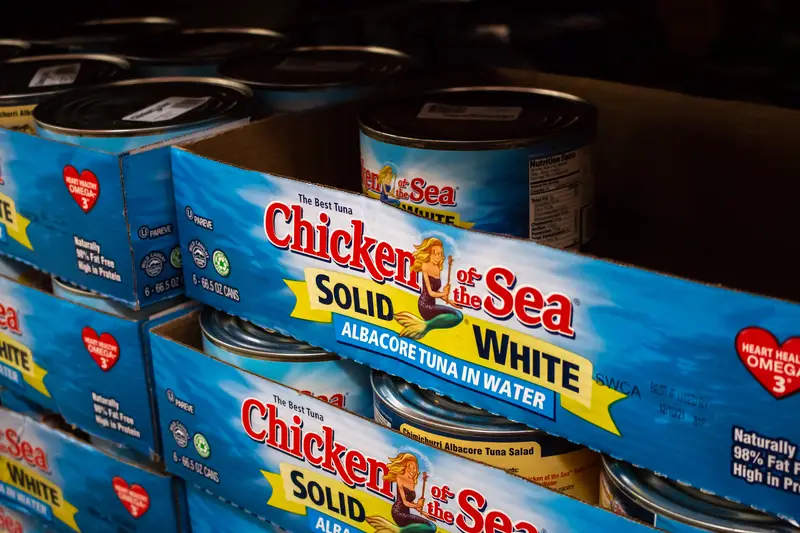
Chicken of the Sea tastes more like can than fish
The brand famous for Jessica Simpson’s confusion about whether it contained chicken or fish has much bigger problems than celebrity endorsements. Chicken of the Sea produces some of the driest, most flavorless tuna available in supermarkets today. Opening a can reveals pale, waterlogged chunks swimming in excessive liquid that somehow manages to leave the fish completely drained of moisture and taste.
What makes this brand particularly frustrating is how the tuna feels bone-dry despite being packed in water. Taste testers consistently describe it as completely leached of any seafood character, requiring massive amounts of mayonnaise or other ingredients just to make it edible. The 25% less sodium version somehow makes things worse by removing what little taste the fish had to begin with.
Bumble Bee creates dry chunks that need rescuing
Bumble Bee’s solid white albacore might look promising in the can, but the eating experience tells a different story. The tuna comes out in large, square chunks that seem impressive until the first bite reveals how parched and tasteless they actually are. The company’s recent bankruptcy and price-fixing scandals apparently affected more than just their business practices.
The strangest thing about Bumble Bee is how it manages to taste like wood chips instead of fish. Food experts describe a distinct sawdust-like character that overpowers any natural tuna essence. Even when incorporated into recipes with strong sauces and seasonings, this peculiar woody taste shines through and ruins otherwise good dishes. The dry texture only makes the off-putting taste more concentrated and noticeable.
Safe Catch costs more but delivers less satisfaction
Safe Catch markets itself as the premium option with lowest mercury levels and extensive testing, but the eating experience doesn’t justify the higher price tag. The tuna comes out looking more like a solid cake than individual pieces, with a strange compressed texture that feels artificial. Despite claims of superior quality, the taste is distinctly metallic with an unpleasant salty bite.
What makes Safe Catch particularly disappointing is the lingering fishy aftertaste that has nothing to do with fresh ocean character. Professional testers found the off-putting finish so strong that it overpowers other ingredients in recipes. Spending extra money on this brand means paying premium prices for subpar taste, making it one of the worst values in the entire canned tuna category.
Good & Gather disappoints despite Target’s reputation
Target’s house brand usually delivers solid quality at reasonable prices, but their canned tuna breaks that reliable pattern. Good & Gather’s chunk light tuna has a sharp, acidic bite that makes eating unpleasant from the first spoonful. The tiny, mushy pieces fall apart immediately and create an unappetizing paste-like consistency that looks nothing like actual fish.
The strangest aspect of this tuna is how it tastes more like vegetables than seafood. Taste testers describe distinct celery and grassy notes that completely overpower any fish character. The bitter, acidic finish lingers long after eating and makes it nearly impossible to create palatable meals. Even Target shoppers who love the store’s other products should skip this particular offering.
Blue Harbor wastes sustainable fishing on terrible taste
Blue Harbor earns high marks for Marine Stewardship Council certification and responsible fishing practices, but environmental consciousness can’t compensate for awful eating quality. The tuna has virtually no taste whatsoever, leaving people wondering if they’re actually eating fish or some kind of flavorless protein substitute. What little character it does have comes across as gritty and unpleasant.
The texture problems make Blue Harbor even worse than its bland taste suggests. Food critics compare eating it to chewing dampened sandpaper, with a rough, grainy consistency that feels completely wrong in the mouth. Even people who prioritize sustainable seafood choices find this brand impossible to enjoy, proving that good intentions don’t automatically create good food.
Trader Joe’s albacore fails to meet store standards
Trader Joe’s usually excels at creating quality house-brand products, but their solid white albacore tuna stands as a rare disappointment. The fish lacks any distinctive character beyond a vague blandness that makes it nearly indistinguishable from canned chicken. Despite sustainable fishing claims and individual mercury testing, the eating experience feels more like a science experiment than actual food.
What makes this particularly frustrating is how professional testers consistently describe metallic aftertastes that linger uncomfortably long after eating. The texture wavers between mushy and dry depending on the can, creating an unpredictable experience that makes meal planning difficult. Even loyal Trader Joe’s customers find themselves reaching for different brands when making tuna-based dishes.
365 by Whole Foods prioritizes oil over actual tuna
Whole Foods’ house brand creates the strange phenomenon of tuna that tastes more like olive oil than fish. The 365 brand packs their albacore in so much extra-virgin olive oil that the seafood character completely disappears under the overwhelming oil presence. Despite this oil saturation, the actual tuna pieces somehow manage to be dry and unpleasant to eat.
The imbalance makes it impossible to use this tuna in recipes without the olive oil dominating every other ingredient. Taste testers found that even dishes designed to showcase tuna end up tasting primarily of oil instead of fish. The premium price point makes this poor balance even more disappointing, especially for shoppers who expect Whole Foods products to deliver superior quality and taste.
Great Value proves that cheap isn’t always better
Walmart’s Great Value brand offers some of the lowest prices in the tuna aisle, but the eating experience explains why it costs so little. The fish has a strange stringy texture that resembles shredded chicken more than seafood, with individual pieces that fall apart into unappetizing threads. The basic, bland taste offers nothing memorable beyond generic protein character.
While Great Value earns points for consistent Marine Stewardship Council labeling across their products, the actual eating quality remains disappointing. Food reviewers describe it as having virtually no distinctive fish character, making it suitable only for heavily seasoned recipes where the tuna serves as anonymous protein rather than a featured ingredient. The low price becomes meaningless when the food doesn’t taste good enough to actually eat.
Nobody wants to waste money on canned tuna that ruins perfectly good sandwiches and pasta dishes. The brands mentioned above consistently disappoint in professional taste tests, proving that familiar names and low prices don’t guarantee quality eating. Smart shoppers skip these problematic options and choose brands that actually taste like the ocean instead of tin cans or sawdust.
