

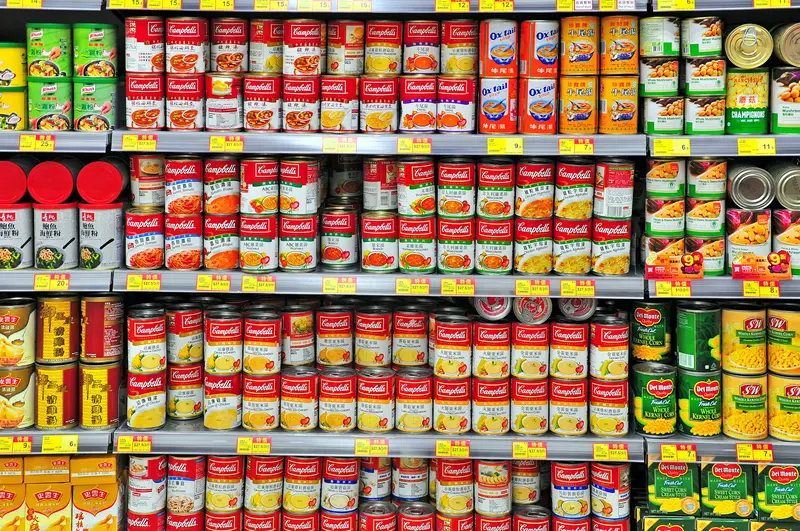
Shopping for groceries feels different these days, doesn’t it? You walk into the store with your usual list, grab the same items you always buy, and somehow the total at checkout keeps climbing higher. With prices going up on everything from cooking oil to coffee, it’s getting harder to stretch your food budget. The good news is that there are smart ways to prepare for continued price increases without turning your pantry into a doomsday bunker. Certain shelf-stable foods last for months or even years when stored properly, and stocking up on them now could save you serious money down the road. These aren’t random items either—they’re the basics that people who think about food storage recommend keeping on hand, and they’re things you probably already use regularly.
Rice keeps forever and costs pennies per serving
White rice sits on store shelves at reasonable prices, but that might not last much longer since most rice comes from countries that are currently dealing with export challenges. A twenty-pound bag might seem like a lot, but families go through it faster than you’d think. The best part about white rice is that it lasts decades when you keep it in a cool, dry spot. Brown rice goes bad faster because of the oils in it, so stick with white if you’re thinking long-term. You can use rice as a side dish, mix it into soups, make fried rice with leftovers, or even use it for breakfast porridge.
Storing rice properly makes all the difference in how long it stays good. Keep the original bag in your pantry if you’re going to use it within a few months. For longer storage, transfer rice to airtight containers or large mason jars to keep moisture and bugs out. Some people even buy food-grade buckets with tight lids for really long-term storage. Just make sure wherever you keep it stays dry and doesn’t get too hot. If you notice any weird smells or see bugs, that rice is done for. But stored correctly, white rice can literally last twenty to thirty years, which is pretty amazing for something so cheap and useful.
Dried beans give you protein without the price tag
Dried beans might look boring sitting there in plastic bags, but they’re one of the cheapest protein sources you can buy. A pound of dried beans costs a couple of dollars and makes way more servings than a pound of meat. Black beans, pinto beans, kidney beans, navy beans—they all work great for different recipes. The only catch is you need to plan ahead because most dried beans need to soak overnight before cooking. But once you get used to that routine, it’s no big deal. You can make chili, bean soup, refried beans, or toss them into salads. Dry beans are also packed with fiber, which keeps you full longer than a lot of other foods.
The shelf life on dried beans is incredibly long if you treat them right. Keep them in their original packaging or move them to airtight containers in a cool, dark cabinet. They can last for years this way, though older beans take longer to cook and might not get as soft. If you’re buying in bulk, grab different varieties so you don’t get bored eating the same thing over and over. Lentils are another great option because they cook way faster than regular beans and don’t need soaking. Red lentils, green lentils, brown lentils—they all work in soups and stews. Just remember that whatever you’re stocking up on, you should actually like eating it. There’s no point filling your pantry with food you’ll never touch.
Pasta makes quick meals when you’re too tired to cook
Everyone has pasta in their kitchen for good reason. It’s cheap, it cooks in minutes, and kids actually eat it without complaining. With everything else getting more expensive, pasta remains one of those reliable staples that won’t break your budget. You can dress it up with fancy sauces or just toss it with butter and cheese. Spaghetti, penne, macaroni, egg noodles—having a variety means you won’t get sick of eating the same shape every week. Egg noodles actually have more protein than regular pasta, which makes them a bit more filling. Whether you’re making a full dinner or need something quick for lunch, pasta saves the day.
Dry pasta keeps for a long time in your pantry, usually at least a year or two past the date on the box. The key is keeping it away from moisture and pests. If you want to stock up seriously, you can store pasta in large airtight containers or even vacuum-sealed bags. Some people buy those big boxes from warehouse stores and just keep them in the original packaging in a cool closet. As long as the pasta doesn’t get wet or attract bugs, it’ll be fine. One smart move is pairing pasta with other shelf-stable items like canned tomatoes, jarred sauce, or canned tuna so you always have complete meal options ready. When you’re exhausted after work and don’t want to think about cooking, having pasta and a few other basics on hand makes dinner happen in fifteen minutes.
Canned tomatoes work in almost everything you make
If you cook at all, you probably reach for canned tomatoes more than you realize. They go into pasta sauce, chili, soup, stew, and tons of other recipes. Fresh tomatoes are great when they’re in season, but canned tomatoes are consistent, affordable, and available year-round. With weather getting more unpredictable and affecting crops, canned tomatoes might get pricier soon. Stocking up now while they’re still reasonable makes sense. You can get whole tomatoes, diced tomatoes, crushed tomatoes, or tomato sauce depending on what you usually cook. Having a variety means you’re ready to make whatever sounds good without running to the store.
Canned tomatoes typically last one to two years on the shelf, sometimes longer if stored in a cool, dark place. Check the dates when you’re buying and rotate your stock by using the oldest cans first. Some people worry about acidity affecting the cans over time, but as long as the cans aren’t dented or bulging, they’re fine. You can also find tomatoes in glass jars if you prefer that. Either way, having a good supply of tomatoes means you can whip up a decent meal even when your fridge is looking pretty empty. Combine them with pasta, rice, or beans, and you’ve got dinner. Add some canned chicken or tuna, and you’ve got protein too. It’s one of those items that makes everything else in your pantry work better.
Canned soup is dinner when nothing else sounds good
Sometimes you just don’t want to cook, and that’s when canned soup becomes your best friend. Pop open a can, heat it up, and you’ve got a warm meal in five minutes. It’s perfect for cold days, sick days, or those nights when you’re too tired to think about preparing food. The variety available these days is actually pretty good—you’re not stuck with just chicken noodle and tomato anymore. There’s minestrone, clam chowder, potato soup, vegetable soup, and tons of others. Keep several different kinds on hand so you don’t get bored. Kids usually like it too, which makes it easier when you’re trying to feed the whole family something they’ll actually eat.
Canned soup lasts about two years unopened, and it doesn’t need special storage conditions beyond a normal pantry. Just make sure the cans aren’t damaged and check dates when you’re buying. Some soups are more filling than others, so read the labels if you’re trying to make it a complete meal. The heartier soups with beans, meat, or potatoes will keep you satisfied longer than broth-based ones. You can also jazz up plain soup by adding extra ingredients—throw in some frozen vegetables, cooked rice, or leftover chicken to make it more substantial. Having a good stock of canned soup means you always have an easy backup plan when life gets hectic. It’s also handy for lunches if you have a way to heat things up at work.
Peanut butter lasts forever and works for any meal
Peanut butter is one of those foods that people don’t appreciate enough. It lasts a long time, doesn’t need refrigeration until you open it, and gives you protein, healthy fats, and calories in a small serving. You can eat it for breakfast on toast, pack it for lunch in sandwiches, use it as a snack with crackers or apples, or even cook with it in sauces and stir-fries. Kids love it, which makes it essential if you have picky eaters. The regular kind with added oils and stabilizers actually lasts longer than natural peanut butter, so go for that if you’re thinking about long-term storage. Natural peanut butter separates and can go rancid faster.
An unopened jar of peanut butter can sit in your pantry for up to two years, and even opened jars last several months at room temperature. Keep it in a cool, dry place away from direct sunlight. If you’re worried about variety, grab some almond butter or other nut butters too, though they tend to be pricier. Peanut butter pairs well with so many other pantry staples—jelly, honey, crackers, bread, oatmeal. It’s also useful in emergencies because it’s calorie-dense and filling. Even if you lose power and can’t cook, you can still eat peanut butter straight from the jar if needed. Stock up when you see sales because prices have been creeping up steadily, and there’s no sign of that stopping.
Canned tuna and chicken give you protein that doesn’t spoil
Meat is expensive, and it goes bad quickly if you don’t freeze it. That’s where canned options come in handy. Canned chicken and tuna last for years on the shelf and give you the protein you need without the hassle. You can make sandwiches, mix them into pasta salads, add them to soup, or use them in casseroles. The texture isn’t exactly the same as fresh meat, but when you mix it with other ingredients, most people don’t notice or care. Tuna tends to be cheaper than chicken, so grab more of that if you’re on a tight budget. Look for cans with pull tabs so you don’t need a can opener, which is especially helpful if you’re in a situation where you don’t have all your usual kitchen tools.
These canned proteins typically last three to five years unopened, which gives you plenty of time to use them. Rotate your stock by putting new cans in the back and using older ones first. Some people also like canned salmon, which is a bit pricier but really good mixed into salads or pasta. If you’re buying in bulk from warehouse stores, you can usually save quite a bit per can. The pouches are another option—they’re lighter and don’t require a can opener, but they might not last quite as long as traditional cans. Whatever format you choose, having shelf-stable protein means you can always make a decent meal even when you haven’t been to the grocery store in a while.
Cooking oil prices are climbing fast right now
You might not think much about cooking oil until you need it and realize you’re out. But with oil prices affected by import costs and supply issues, it’s worth grabbing an extra bottle or two while they’re still somewhat affordable. Olive oil, vegetable oil, canola oil—whatever you normally use for cooking. Olive oil is healthier but costs more and doesn’t last quite as long as other oils. Regular vegetable or canola oil is cheaper and works fine for most cooking. You need oil for just about everything—sautéing vegetables, frying eggs, making salad dressing, baking. Running out is annoying, and watching prices jump makes it worse.
Most oils last eighteen months to two years if you store them properly. Keep them in a cool, dark place away from the stove because heat and light make them go bad faster. Buy oil in tinted bottles when possible since that helps protect it from light. If you buy a big bottle, you can pour some into a smaller container for everyday use and keep the large bottle stored away. Just check the smell and taste before using oil that’s been sitting for a while—if it smells off or tastes weird, toss it. Having extra oil on hand means you won’t get caught unable to cook when you need to. It’s one of those basics that you don’t want to run out of in the middle of making dinner.
Coffee and spices are getting more expensive too
If you’re someone who needs coffee to function in the morning, you’ve probably noticed coffee prices going up. Most coffee comes from other countries, and import costs keep rising. Buying a few extra bags or containers now could save you money in the coming months. The same goes for spices, which might not seem like a big deal until you realize how much more expensive they’ve gotten. Black pepper, garlic powder, cinnamon, chili powder—these are things you use all the time, and they last for years when stored properly. Food tastes pretty bland without spices, so having a good supply makes everything you cook more enjoyable.
Keep coffee in airtight containers once you open it to maintain freshness. Whole beans last longer than ground coffee, but ground is more convenient. For long-term storage, you can even freeze coffee to extend its life. Spices should go in a cool, dark cabinet away from the stove because heat makes them lose their strength faster. Whole spices like peppercorns last way longer than ground spices—up to four years compared to about two. If you have room and use a lot of spices, buying larger containers saves money compared to those tiny jars at the grocery store. Check bulk sections or warehouse stores for better deals. Having plenty of coffee and spices on hand means your food and drinks will still taste good even if everything else gets more expensive.
Nobody likes thinking about prices going up, but being prepared helps you feel more in control of your budget. Stocking up on basics doesn’t mean you’re hoarding or panicking—it just means you’re being smart about buying things you already use before they cost even more. Focus on items that last a long time, that your family actually eats, and that work in lots of different recipes. Keep everything stored properly so it stays good as long as possible. And remember to rotate through your stock by using older items first and replacing them as you go. This way, you’re building up a practical reserve that saves you money and gives you peace of mind.
