

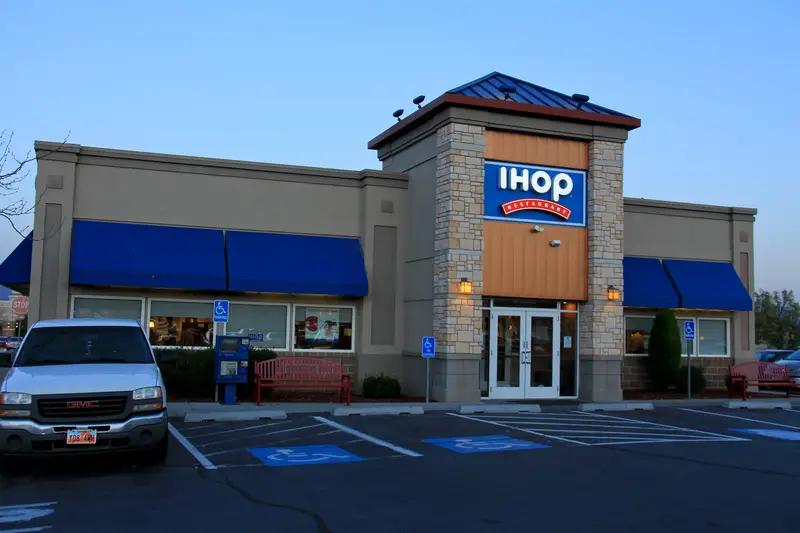
Walking into an IHOP feels like home for millions of Americans who visit these restaurants every year. The smell of pancakes on the griddle, the colorful syrup bottles on every table, and those fluffy omelets have created countless breakfast memories. But behind those familiar blue walls and friendly servers, IHOP has been keeping some pretty surprising secrets from its customers. Some of these might change how you order your next meal there, especially if you have food allergies or specific diet requirements. The truth about what’s really in your breakfast might surprise you more than you’d expect.
Your omelet contains hidden pancake batter
When someone orders an omelet, they’re usually thinking it’s just eggs, cheese, and maybe some vegetables or meat. Pretty simple, right? Wrong. IHOP adds a splash of their buttermilk and wheat pancake batter directly into every omelet they make. This isn’t a mistake or something that happens at just one location. It’s actually standard practice across all their restaurants. They mention it on their website in small print, but most people never see this information before ordering. The added batter makes the omelets fluffier and gives them a slightly sweet taste that many customers enjoy without realizing why.
This hidden ingredient creates serious problems for people with celiac disease or gluten sensitivity. About one out of every hundred Americans has celiac disease, and many more deal with gluten sensitivity that causes stomach pain and other issues. These people often order omelets thinking they’re getting a safe, gluten-free meal. Instead, they’re eating wheat without knowing it. The same problem exists with breakfast burritos and bowls, which also contain that pancake batter. IHOP’s own website states this clearly, but the disclosure gets buried in the fine print where hungry customers rushing to order breakfast rarely look. Anyone with dietary restrictions needs to specifically ask for eggs without the batter addition.
The maple syrup isn’t actually maple
Those colorful syrup bottles sitting on every IHOP table seem like they should contain real maple syrup. After all, pancakes and maple syrup are supposed to go together naturally. But here’s the thing: almost every IHOP location in America serves manufactured syrup made primarily from high fructose corn syrup, artificial flavors, and preservatives instead of actual maple sap. Real maple syrup costs way more to produce and buy, so using artificial syrup helps the chain keep their prices lower. The taste difference between real and fake maple syrup is pretty noticeable once you know what to look for.
Only one single IHOP location in the entire country actually serves genuine maple syrup. Every other restaurant in the chain uses artificial syrup exclusively. Real maple syrup has complex tastes with hints of caramel, vanilla, and sometimes a smoky quality. The fake stuff at IHOP is just super sweet with a one-note taste that doesn’t compare. People who really care about their syrup notice this right away. The artificial syrup isn’t dangerous or anything, but it’s definitely not what many customers assume they’re pouring over their pancakes every morning.
Those sweet pancakes pack surprising salt levels
Everyone knows pancakes contain lots of carbs and sugar. That’s kind of the point of eating them. But most people would never guess that IHOP’s buttermilk pancakes also contain surprisingly high amounts of sodium. A regular stack can have several hundred milligrams of salt, which adds up fast when you consider that most adults should stay under 2,300 milligrams per day. The American Heart Association actually recommends even less than that for most people. The high salt content helps preserve the batter and makes the pancakes taste better, but nobody expects their sweet breakfast to contain so much sodium.
This matters especially for people watching their salt intake because of high blood pressure or heart problems. A simple breakfast at IHOP can easily provide a huge chunk of your daily sodium allowance before you even add bacon or sausage. Most customers have absolutely no idea they’re eating so much salt in what seems like a harmless sweet treat. The sodium hides in plain sight because our brains associate pancakes with sugar, not salt. Anyone counting their sodium intake needs to check the nutrition information carefully before ordering what seems like an innocent stack of pancakes.
A special device creates those perfect circles
Have you ever noticed that IHOP pancakes always come out as perfect circles? When you make pancakes at home, they usually turn out kind of lumpy and irregular no matter how careful you pour. IHOP’s pancakes look like they were stamped out by a machine. That’s because the cooks don’t actually pour the batter from a regular container. They use a special tool that works kind of like a gun, dispensing exact amounts of batter onto the griddle every single time. This device controls the pouring speed and accuracy automatically.
An IHOP cook demonstrated this pancake dispenser during a television interview a few years back, showing exactly how it works. The tool ensures that every pancake contains the same amount of batter and comes out as a perfect circle. This consistency matters when you’re serving millions of pancakes across hundreds of locations. It also explains why you can never quite recreate that IHOP look at home, even when you’re really careful. The special dispenser isn’t something regular people have in their kitchens, so homemade pancakes will always look a bit different from restaurant ones.
Quality varies wildly between different locations
You’d think a national chain would serve basically the same food everywhere. But IHOP locations can be dramatically different from each other in terms of quality. Some customers have complained about really disappointing food quality at certain restaurants. One review of an IHOP in Denver described the pancakes as made with very bad quality flour that resulted in mediocre taste. When you’re eating at a place that literally has pancakes in its name, you expect those pancakes to be amazing. Finding out they’re just okay feels like a real letdown.
Beyond food quality, some IHOP locations have problems with cleanliness and service. One customer found a crayon and used fork under their table, suggesting the cleaning between customers wasn’t thorough at all. Service quality jumps around too, with some servers described as pleasant but confused, while others completely ignore special occasions like birthdays. These issues point to management and training problems at specific restaurants. The IHOP experience can range from great to terrible depending on which location you visit, which seems odd for such a big chain.
The griddle cooking method surprises most people
When making pancakes at home, most people automatically put butter or oil on the pan first. It seems like common sense to grease the surface so the pancakes don’t stick. But IHOP does things completely differently. Their griddles aren’t coated with butter, oil, or any other fat you might expect. Instead, they use well-seasoned griddles maintained at specific temperatures that allow cooking without added fats. This technique requires really precise temperature control and properly maintained cooking surfaces that have been seasoned over time.
This cooking method gives IHOP pancakes their distinctive appearance and texture that’s nearly impossible to copy at home. The pancakes get evenly browned without being greasy. Homemade pancakes cooked on buttered or oiled surfaces create a different type of browning and texture. The IHOP method isn’t better or worse necessarily, just different. It’s another reason why restaurant pancakes don’t quite match what you make in your own kitchen, even when using similar ingredients. The griddle technique matters just as much as the batter recipe.
They serve an absolutely staggering number of pancakes
Despite all these secrets and quality concerns, IHOP remains incredibly popular nationwide. The number of pancakes they serve each year is honestly mind-blowing. According to reports, IHOP averages around 700 million pancakes annually across their nearly 1,850 locations worldwide. That works out to roughly two pancakes for every single person living in America. On a really busy day, just one IHOP restaurant might cook several thousand pancakes. This massive production requires standardized processes and ingredients to maintain consistency.
The numbers get even crazier during National Pancake Day, when IHOP gives away free short stacks to customers. On this single day, IHOP locations collectively serve millions of free pancakes. This event has become so popular that it’s turned into a major fundraiser for children’s charities, raising over thirty million dollars since starting. One employee on social media reported watching a customer eat 26 pancakes in one sitting during this promotion. These incredible numbers explain why IHOP needs efficient cooking methods and standardized recipes, even if those standards include some surprising choices.
Secret menu items exist that most people don’t know about
IHOP is known mainly for breakfast foods, especially pancakes. But they actually have a secret menu with items that never appear on the regular menu boards. These secret items range from creative pancake combinations to unusual dishes that sound pretty fancy. For people who know about them, these secret menu items provide options beyond the standard fare and can make an IHOP visit way more interesting. The catch is that not every IHOP employee knows about all these secret items, so ordering them can be hit or miss depending on your server.
Some popular secret menu items include the Cinn-A-Stack, which features cinnamon roll-inspired pancakes. There are savory options too, like an onion and French fry omelet that still contains that pancake batter. The menu supposedly includes surprisingly fancy items like Patagonian Prawn Ceviche and Steak Tartare, which seems wild for a pancake house. The availability varies by location, and you might need to describe what you want rather than ordering by name. If you’re bored with the standard IHOP menu, asking about these secret items can provide a whole new experience.
Kids eat free at some locations but not others
Many parents assume that promotional deals like kids eat free apply to all locations of a chain restaurant. But with IHOP, this deal isn’t universal at all. Some IHOP restaurants offer a daily kids eat free promotion between 4 p.m. and 10 p.m., where kids twelve and under get a free meal with the purchase of one adult entree. This can save families a decent amount of money on dinner. However, only about half of IHOP locations actually participate in this promotion according to surveys conducted by coupon websites.
Before planning a family dinner around this deal, you really need to call ahead and verify that your specific IHOP location offers it. A 2021 survey found that when people called different IHOP locations to ask about the kids eat free promotion, only about half confirmed they had it. The others either didn’t offer the deal at all or had different terms. This inconsistency between locations can be frustrating for families trying to save money. The variation exists because individual IHOP franchisees can choose whether to participate in certain promotions, unlike corporate-mandated menu items that appear everywhere.
Next time you visit IHOP, you’ll know exactly what’s happening behind those famous pancakes. Whether it’s the pancake batter hiding in your omelet, the artificial syrup on your table, or the special tools creating perfect circles, these secrets reveal a lot about how chain restaurants really work. If you have dietary restrictions or food allergies, always ask specific questions about ingredients before ordering. What looks like a simple egg dish might contain unexpected wheat, and that maple syrup probably isn’t maple at all. Being an informed customer means you can make better choices about what you’re actually eating.
