

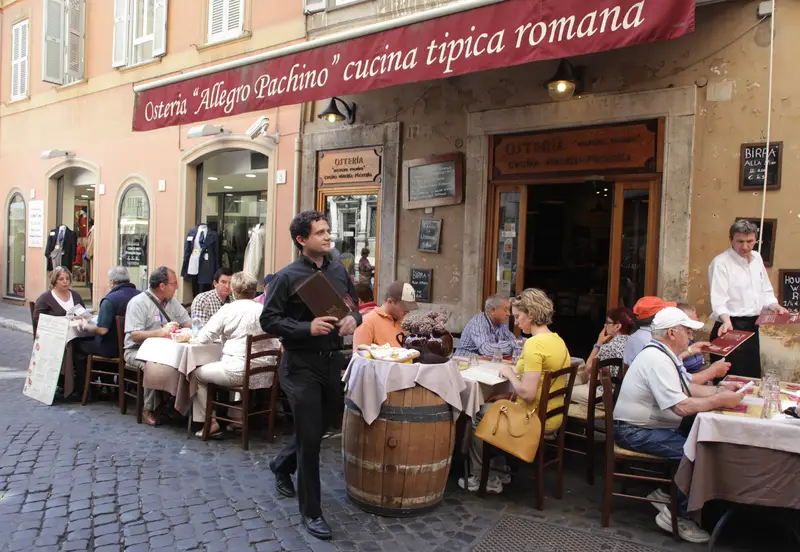
Walking into an Italian restaurant should feel like stepping into a warm family kitchen, but many people accidentally upset their servers and chefs without even knowing it. These mistakes happen so often that Italian restaurant owners have started putting up signs to educate their customers. From ordering the wrong coffee at the wrong time to butchering the pronunciation of simple dishes, these common errors can turn a pleasant dining experience into an awkward situation for everyone involved.
Ordering cappuccino with dinner ruins the meal
Picture this: the waiter brings out a beautiful plate of pasta, and someone at the table orders a cappuccino to go with it. The server’s face immediately shows confusion and maybe a little horror. In Italy, cappuccino is strictly a breakfast drink, consumed only before 11 AM. Drinking milk-based coffee after eating interferes with digestion, according to Italian tradition.
Italian restaurants that follow authentic traditions expect customers to order espresso after meals, not cappuccino. The coffee culture in Italy is deeply rooted in timing and purpose. Cappuccino belongs with pastries and morning conversations, while espresso cleanses the palate after dinner. Many Italian restaurants now include notes on their menus explaining this tradition to prevent uncomfortable situations.
Asking for garlic bread shows complete misunderstanding
Nothing makes Italian restaurant staff cringe more than someone asking for garlic bread to go with their pasta. This combination simply doesn’t exist in authentic Italian dining. Americans created this pairing, and it has nothing to do with real Italian food traditions. Italian restaurants that serve actual traditional meals don’t offer this butter-laden, herb-covered bread that Americans associate with Italian dining.
Real Italian restaurants serve plain bread to cleanse the palate between courses, not as a carb-heavy appetizer. The authentic approach treats bread as a tool for the meal, not a featured dish. When someone requests garlic bread, it immediately signals to the staff that they’re expecting Americanized Italian food rather than the real thing. This creates awkward moments where servers have to explain why their authentic Italian restaurant doesn’t serve this popular American invention.
Ordering just one dish completely misses the point
Italian dining isn’t about grabbing a quick plate of spaghetti and leaving. Traditional Italian meals involve multiple courses spread over several hours, with conversation and relaxation between each course. When someone orders just pasta and expects to be in and out in 30 minutes, they’re missing the entire cultural experience that authentic Italian restaurants try to provide.
Genuine Italian restaurants structure their menus around the traditional nine-course meal system, though most people don’t order all courses. The proper approach includes an appetizer, first course (usually pasta), second course (meat or fish), and separate courses for salad, cheese, and fruit. Each course arrives separately, allowing diners to appreciate individual components rather than combining everything on one plate. This leisurely approach transforms dining from mere eating into a social experience.
Pronouncing gnocchi wrong embarrasses everyone nearby
The most cringe-worthy moment in any Italian restaurant happens when someone confidently orders “g-knock-ee” instead of the correct “nyoh-kee.” This mispronunciation is so common that servers have learned to nod politely, but other diners often notice the mistake. The silent “g” in gnocchi trips up English speakers who try to pronounce every letter they see.
Smart diners either practice the correct pronunciation beforehand or simply point to the menu item. Italian restaurant staff appreciate when customers make the effort to say dish names correctly, but they understand that Italian pronunciation challenges English speakers. The key is not to guess loudly and confidently when uncertain. Other commonly mispronounced items include bruschetta (broo-SKET-ta, not broo-SHET-ta) and prosciutto (pro-SHOOT-to, not pro-see-OOT-to).
Requesting pasta with chicken creates confused servers
Chicken and pasta together on the same plate simply doesn’t happen in traditional Italian cooking. This combination confuses Italian restaurant staff because it goes against fundamental Italian food pairing principles. Italians separate their proteins and starches into different courses, allowing each component to shine individually rather than competing for attention on the same plate.
When someone requests chicken alfredo or chicken parmigiana over pasta, they’re asking for American-Italian fusion food, not authentic Italian cuisine. Traditional Italian meal structure keeps pasta as the first course and meat as the second course. Authentic Italian restaurants that follow traditional methods might not even offer these combined dishes on their menus. The confusion arises because American-Italian restaurants popularized these combinations, leading people to expect them at all Italian establishments.
Adding ketchup to pasta horrifies the kitchen staff
Few things upset Italian chefs more than watching someone squeeze ketchup onto carefully prepared pasta. This act is considered equivalent to vandalizing a work of art in Italian food culture. The sweet, processed tomato sauce completely overwhelms the delicate balance of properly made pasta sauce, destroying hours of careful preparation and seasoning.
Italian restaurants that witness this behavior often feel genuinely hurt because it suggests their authentic sauces aren’t good enough. The horror of ketchup on pasta runs so deep that some Italian restaurants have banned ketchup bottles from their dining rooms entirely. Traditional Italian pasta sauces are crafted with specific herbs, cheeses, and cooking techniques that create complex tastes. Adding ketchup not only masks these careful preparations but also insults the chef’s skill and the restaurant’s commitment to authentic Italian cooking.
Ordering spaghetti bolognese shows menu confusion
Here’s a surprise: spaghetti bolognese doesn’t actually exist in traditional Italian cooking. Bologna’s famous meat sauce is always served with tagliatelle, never spaghetti. The flat, wide noodles of tagliatelle hold the chunky meat sauce better than round spaghetti noodles. When someone orders spaghetti bolognese at an authentic Italian restaurant, they’re essentially ordering a dish that doesn’t exist in Italian cuisine.
Real Italian restaurants that serve authentic bolognese will only offer it with tagliatelle or use it in lasagna. The authentic preparation from Bologna specifically calls for flat pasta shapes that complement the sauce’s texture and ingredients. This misconception became popular in American-Italian restaurants, but it confuses people about what real Italian food actually includes. Authentic Italian restaurants often have to explain why they don’t serve this supposedly classic Italian dish the way people expect.
Cutting pasta with a knife makes Italians cringe
Watching someone cut long pasta with a knife and fork makes Italian restaurant staff internally scream. Proper Italian etiquette requires twirling long pasta with just a fork, never cutting it into smaller pieces. This technique might take practice, but it’s the only acceptable way to eat spaghetti, linguine, or fettuccine in Italian dining culture.
The proper technique involves twirling the fork against the plate’s edge or using a spoon as a guide for beginners. Cutting pasta is considered childish and disrespectful to the chef’s careful preparation of the noodle length and texture. Italian restaurants that cater to authentic dining experiences expect their customers to eat pasta the traditional way. Some high-end Italian establishments even provide gentle instruction to diners who struggle with the twirling technique rather than allowing them to cut their pasta.
Adding cheese to seafood pasta breaks fundamental rules
Sprinkling parmesan cheese on seafood pasta violates one of Italy’s most sacred food rules. Italian coastal regions, where seafood pasta originated, never combine cheese with fish or shellfish. The strong, salty taste of aged cheese competes with the delicate ocean tastes that the dish is meant to highlight. This rule is so fundamental that Italian restaurants often remove cheese shakers from tables when serving seafood dishes.
The traditional approach to seafood pasta relies on olive oil, garlic, white wine, and fresh herbs to enhance the natural seafood tastes. Adding cheese masks these subtle preparations that took generations to perfect. Authentic Italian restaurants that serve traditional seafood pasta will politely decline if customers request cheese, explaining that it goes against proper Italian cooking principles. This isn’t snobbery; it’s preservation of cooking traditions that create the best possible taste combinations.
Italian restaurants worldwide deal with these mistakes daily, but understanding these traditions helps everyone have a better dining experience. When diners respect authentic Italian food customs, they get to taste dishes the way they were meant to be prepared and enjoyed. These aren’t arbitrary rules but centuries of cooking wisdom that creates the most delicious and satisfying meals possible.
