

You grab a bottle of water from the fridge, thinking it’s the healthiest drink choice you can make. But what if that crystal-clear water isn’t as clean as you think? Recent recalls have shown that several popular bottled water brands tested positive for bacteria, and some of these bottles might still be sitting on store shelves or in your pantry right now. The FDA has issued multiple warnings, and understanding which brands are affected could save you from an unpleasant surprise. Here’s what you need to know about the bottled water brands that failed safety tests and what to look for before you take that next sip.
Berkeley Club Beverages found coliforms in their bottles
Berkeley Club Beverages recalled 1,034 bottles of water after testing revealed the presence of coliforms. These bacteria live in the digestive systems of animals and humans, and they show up in waste, soil, and plant material. While coliforms themselves might not make you sick, their presence suggests that other harmful bacteria could be lurking in the water. The FDA classified this as a Class III recall, meaning it’s unlikely to cause serious health problems, but that doesn’t make it any less concerning when you’re trying to stay hydrated with clean water.
The affected bottles include both one-gallon and five-gallon sizes labeled as “Berkeley Springs Water Purified” or “Berkeley Springs Water Distilled.” If you live in Maryland, Virginia, or West Virginia, check your water bottles for these product codes: 090326, 090426, 090526, or 090626. The company initially reported over 151,000 bottles were recalled, but that turned out to be a massive error. Most of the affected bottles were already recovered and destroyed, and no illnesses have been reported so far. Still, finding out your water had bacteria in it isn’t exactly reassuring.
Fiji Water pulled thousands of cases from stores
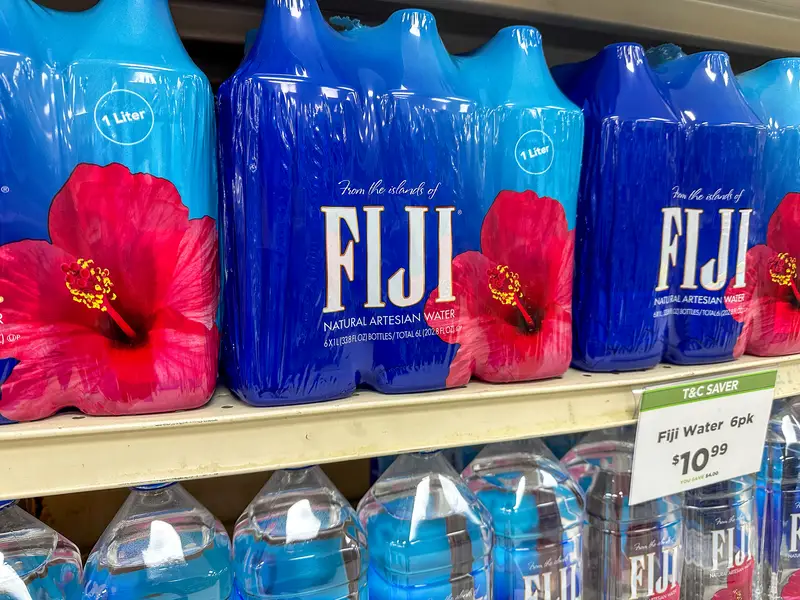
More than 78,500 cases of Fiji Natural Artesian Water were yanked from shelves after company testing found elevated manganese levels and three types of bacteria. The good news is that the bacteria identified weren’t the dangerous kind that makes you sick. Fiji Water comes from an underground aquifer in Fiji, and people pay premium prices for it, expecting pristine quality. Finding out that batches contained bacteria and excess manganese was definitely not what customers had in mind when they bought those distinctive square bottles.
The recall affected 500-milliliter bottles with specific case and bottle codes distributed throughout Washington state and sold nationwide through online retailers. The FDA gave it a Class III classification in late May, and Fiji quickly resolved the issue. The water is back on shelves now, though the FDA’s recall list hasn’t been updated yet. If you bought Fiji Water during March with a case code of 6 32565 00004 3 and a bottle code of 6 32565 00001 2, you should probably skip drinking it, even though the company says the bacteria wasn’t harmful.
Waiakea Hawaiian water had mysterious floating particles
Customers started complaining about weird floating stuff in their Waiakea Hawaiian Volcanic Water bottles, and that led to a recall of over 3,800 cases. The water comes from Hawaii and is marketed as naturally alkaline with electrolytes from a deep well. People buy it expecting pure Hawaiian water, not mystery floaters. The FDA never identified what those particles actually were, which makes it even more unsettling. When you pay extra for premium water, finding unidentified floating objects is pretty much the opposite of what you want.
The recall covered one-liter bottles with codes WB123275 and WB123276, distributed across Pennsylvania, Maryland, New Jersey, Michigan, Texas, Florida, North Carolina, Georgia, and Colorado. The FDA issued a Class II classification for this recall in April, which is more serious than Class III because it means the product could cause temporary health problems. Whatever was floating in those bottles concerned the FDA enough to give it that middle-tier warning level. If you have Waiakea water from November 2023 with those codes, it’s probably best to toss it out rather than trying to figure out what those particles might be.
Niagara Bottling recalled 14 different water brands
Niagara Bottling had to recall products from 14 different brands after one of their spring water sources tested positive for E. coli bacteria. This wasn’t some minor issue with harmless bacteria. E. coli can make you seriously sick with diarrhea, vomiting, stomach cramps, and fever. The positive test showed the water source was contaminated with human or animal waste, which is exactly as gross as it sounds. Niagara quickly stopped using that independent source in Auburn, Pennsylvania, but the damage was done for anyone who bought bottled water during that period.
The affected brands included Acadia, Big Y, Best Yet, Western Beef Blue, Superchill, 7-Eleven, Niagara, Pricerite, Wegmans, Morning Fresh, Shaws, and Nature’s Place. If you bought any of these between June 10th at 3 a.m. and June 18th at 8 p.m., check the production codes. Bottles from Allentown start with the letter A, and those from Hamburg start with F. The first number after the letter shows the production line, and the following numbers indicate when it was bottled. Niagara offered refunds and told people to boil the water for at least one minute or just avoid drinking it altogether.
Real Water caused actual liver failure cases
Real Alkalized Water earned the FDA’s most serious Class I recall after multiple people developed acute liver failure from drinking it. This isn’t about bacteria that might make you sick. People actually ended up in the hospital with failing livers. A lawsuit claimed the alkaline water contained hydrazine, a toxic chemical that can destroy your liver. The court ruled against the company for $3 billion in June, but here’s the really scary part: stores were still selling the recalled water months after the recall was issued.
The recall covered all sizes of Real Alkalized Water, including 16.9-ounce, 1-liter, 1.5-liter, 1-gallon, and 5-gallon bottles. The FDA was notified about liver failure cases after people drank the water, with the first reports coming from the Las Vegas area in November 2020. The company issued a voluntary recall in 2021 and stopped operations, but they never met the FDA standards to restart. Despite this, a Beverly Hills wine store and online retailers were still selling it as late as September. If you see Real Water anywhere, don’t buy it. The company website listed in the recall now leads to a gambling site, which tells you everything about how seriously they took consumer safety.
Store brands got caught up in recalls, too
Major retailers had to recall their own store-brand water bottles because of bacterial contamination. When you buy store-brand water, you assume the big chain store behind it has done quality checks. But stores like Acme, 7-Eleven, Wegmans, and ShopRite all had to pull water from their shelves. These weren’t tiny operations either. These are massive chains with thousands of locations across the country. The recalls happened because the water came from suppliers like Niagara Bottling, which means one contaminated source can affect dozens of different brands.
Store brands are popular because they cost less than name brands, and most people figure water is water regardless of the label. But these recalls show that cheaper doesn’t always mean the same quality controls. The affected store brands were tied to the same contamination issues that hit the branded products, meaning customers who thought they were making a smart budget choice ended up with potentially contaminated water. If you regularly buy store-brand bottled water, it’s worth checking recall lists periodically to make sure your preferred brand hasn’t been affected. The FDA maintains updated lists of all active recalls on its website.
Class I recalls mean serious danger
The FDA uses three classification levels for recalls, and understanding them helps you know how worried you should be. Class I is the most serious category, reserved for products that could cause serious health problems or death. Real Water got this classification because people actually developed liver failure from drinking it. When you see a Class I recall, you should immediately stop using the product and return it or throw it away. These aren’t minor issues that might cause a stomachache. These are situations where the product has already harmed people or has a very high chance of doing so.
Class II recalls are less severe but still concerning. They’re used when a product might cause temporary health problems or pose a slight threat of serious issues. The Waiakea water with floating particles got this classification because while the particles weren’t identified as immediately dangerous, they indicated something was wrong with the water. Class III is the least serious level, used when the product probably won’t cause health problems but violates FDA regulations. Berkeley Club Beverages and Fiji Water both received Class III classifications. Even though Class III sounds less scary, it still means the water didn’t meet safety standards, so it’s best to avoid drinking it.
Checking your water bottles takes just seconds
Most people never look at the codes printed on their water bottles, but those numbers and letters can tell you if you’re holding a recalled product. Production codes are usually stamped on the bottle or printed on the label, often near the bottom or on the cap. They look like random combinations of letters and numbers, but they indicate exactly when and where the water was bottled. For the Berkeley Club recall, you need to find codes starting with 090326, 090426, 090526, or 090626. For Niagara products, look for codes beginning with A or F.
Take 30 seconds to check the bottles in your fridge, pantry, or emergency supply kit. If you find a recalled code, don’t drink the water. Contact the company for a refund if you want, or just throw it out. Some people think boiling the water makes it safe, and while that can kill bacteria like E. coli, it won’t help with chemical contamination like the hydrazine in Real Water. The FDA website maintains a searchable database of all food and beverage recalls, including bottled water. You can sign up for email alerts about recalls in categories you care about, so you’ll know immediately if your favorite water brand has issues.
Multiple recalls show testing gaps in the industry
When you see recall after recall for bottled water, it raises questions about how these products make it to store shelves in the first place. Bottled water companies are supposed to test their sources and products regularly to catch contamination before bottles reach customers. Yet E. coli showed up in Niagara’s water source, coliforms appeared in Berkeley Club bottles, and whatever was floating in Waiakea made it past quality control. These weren’t caught by routine company testing in most cases. They were discovered after customers complained or during random checks.
The Real Water situation was even worse because people had to get sick with liver failure before anyone realized something was seriously wrong. That suggests the company either wasn’t testing properly or ignored warning signs. The FDA and Department of Justice launched investigations into Real Water, but by then, the damage was done. Multiple lawsuits are still ongoing years later. These recalls demonstrate that assuming bottled water is automatically safer than tap water isn’t always accurate. Many municipal water systems have more frequent testing requirements and public reporting than bottled water companies face. It’s worth thinking about whether you really need bottled water or if filtered tap water might be just as good and a lot cheaper.
Finding out that bottled water brands tested positive for bacteria changes how you look at those convenient plastic bottles. What seemed like the safest, simplest drink choice turns out to have its own set of risks. The recalls from Berkeley Club, Fiji, Waiakea, Niagara, and especially Real Water show that contamination can happen at any point from source to bottle. Taking a minute to check recall lists and production codes on your water bottles is a small effort that could prevent big problems. Stay informed about what you’re drinking, and remember that clear water in a sealed bottle doesn’t automatically mean it’s clean and safe.
