

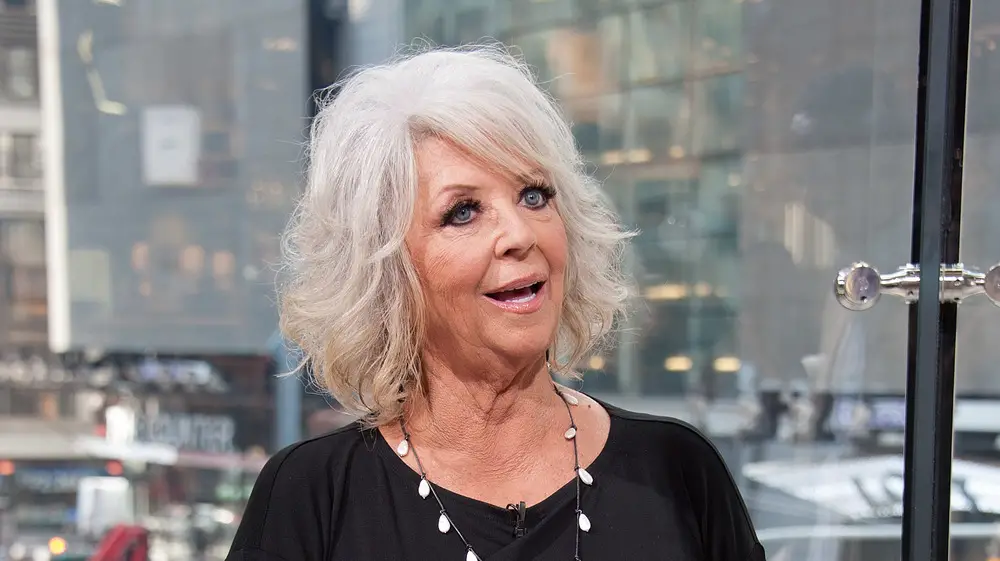
When Paula Deen sat down for that 2013 deposition, she had no idea her entire world was about to crumble. Within just 24 hours of admitting she’d used a racial slur in the past, the beloved Southern cook lost everything she’d built over decades. Food Network dropped her first, followed by Walmart, Target, and pretty much everyone else who’d been cashing in on her butter-loving brand. The grandmother who’d turned her home cooking into a multimillion-dollar empire suddenly found herself canceled before that word even became part of everyday conversation. But what’s really happened to Paula since that devastating week in June 2013?
The deposition that destroyed everything overnight
The whole mess started with a lawsuit filed by Lisa Jackson, a former manager at Uncle Bubba’s Seafood and Oyster House, a restaurant owned by Paula’s brother Bubba Hiers. Jackson, who is white, claimed sexual harassment and racial discrimination, alleging that both Paula and her brother made racist comments about Black employees. During her video deposition on May 17, 2013, Paula was asked point-blank if she’d ever used the N-word. Her response changed everything.
“Yes, of course,” Paula answered, though she added it had been “a very long time” since she’d used such language. She tried to explain that times had changed since the 1960s in the South, and that her family didn’t use cruel or mean language anymore. The transcript also revealed questions about whether she’d wanted a “plantation-style wedding” for her brother with Black waiters in specific attire. Paula denied the racist intent behind these ideas, but the damage was done. Once that deposition went public on June 19, 2013, there was no putting the genie back in the bottle.
Every partnership vanished in less than a week
Paula tried to salvage things with two apology videos released on June 21, begging for forgiveness from her fans, family, and business partners. “I’ve made plenty of mistakes along the way,” she said tearfully into the camera. “Please forgive me for the mistakes that I’ve made.” But that same day, Food Network announced they wouldn’t be renewing her contract after ten years of making her a household name. The company she’d helped build into a cooking empire wanted nothing to do with her anymore.
Then came the avalanche. QVC said they had “no immediate plans” to have Paula back on air. Walmart pulled her cookware from shelves. Target followed suit. J.C. Penney and Sears did the same. Her publisher canceled the release of her upcoming cookbook. Within days, Paula Deen had gone from being worth millions to watching her entire business collapse. She later appeared on Today, telling Matt Lauer she was in “a state of shock.” Looking directly at the camera, she challenged anyone who’d never said something they regretted to throw the first stone. But the apologies didn’t stop the bleeding.
Her sons defended their mom while she broke down
Throughout the scandal, Paula’s two sons, Jamie and Bobby Deen, stood firmly by their mother’s side. Bobby went on CNN calling the situation “disgusting” and labeled it “character assassination” that began as extortion. He described his mom as “one of the most compassionate, good-hearted, empathetic people that you’d ever meet.” Both sons had built their own cooking careers partly on their mother’s coattails, and they weren’t about to abandon her when things got rough. They’d worked alongside her for years and knew a side of Paula the public never saw.
Meanwhile, Paula herself was falling apart. She later revealed she thought she was “going to die of a broken heart” during those dark days. Having battled agoraphobia for 20 years earlier in her life after losing both parents young, Paula worried she’d slide back into that terrifying anxiety. She’d lost her father at 40 and her mother just four years later, leaving her to raise a teenage brother while caring for two babies under three. That experience had triggered decades of fear about leaving her house. Now, facing public humiliation and professional ruin, those same feelings threatened to swallow her whole again.
Millions of fans rallied on social media
While major corporations ran for the hills, regular people started speaking up. A “We Support Paula Deen” Facebook page quickly gained over 500,000 followers. Eventually, Paula says about 5 to 6 million people came to her Facebook page to show support during the worst days of the scandal. These weren’t executives worried about their bottom line or PR teams calculating risk. They were everyday folks who’d watched Paula cook for years, who’d tried her recipes, and who believed she deserved a second chance.
Food historian Michael Twitty offered an interesting perspective that didn’t quite defend Paula but pointed out something important. Writing on his blog Afroculinaria, he noted that “white people canceled Paula Deen. It wasn’t us.” His point was that while her admission revealed uncomfortable truths about white Southern culture, it was corporate America and white consumers who delivered the harshest punishment. The systemic racism in the food world bothered him more than Paula’s past use of a slur. His commentary highlighted how the scandal became about public perception and brand protection rather than any real conversation about race and Southern culture.
The lawsuit quietly disappeared after the media frenzy
Here’s something most people don’t remember: the actual lawsuit that started everything kind of fizzled out. A judge dismissed Lisa Jackson’s racial discrimination claims, ruling she had no standing to bring them since she was white. Think about that for a second. The case that destroyed Paula’s career over racism couldn’t move forward on those grounds because the person suing wasn’t part of the group allegedly discriminated against. The remaining claims, including sexual harassment allegations against Paula’s brother, were settled confidentially that August.
The settlement came “without any award of costs or fees to any party,” which usually means nobody admitted fault and no money changed hands. Even stranger, Jackson released a statement saying Paula was “a woman of compassion and kindness” who would “never tolerate discrimination or racism of any kind toward anyone.” After all the damage was done, the person who’d filed the lawsuit was suddenly praising Paula’s character. But by then, nobody was paying attention anymore. The court of public opinion had already delivered its verdict, and there’s no appeals process for that.
She slowly rebuilt with her loyal audience
Paula didn’t disappear completely, though her comeback looked nothing like her former glory. In 2015, she competed on Dancing With the Stars, showing America she could laugh at herself while doing the cha-cha. She launched her own digital network, giving her control over her content without needing network approval. Then came Positively Paula, a syndicated TV show that debuted in 2016. It wasn’t Food Network, but it was something. She appeared on MasterChef and kept publishing cookbooks, with her most recent one dropping in 2023.
Her lifestyle magazine, Cooking With Paula Deen, continued printing throughout the scandal and afterward, serving fans who never stopped wanting her recipes. She and her sons kept running restaurants together, maintaining Paula Deen’s Family Kitchen locations even as the empire shrank. The grandmother of 11, who married her second husband Michael Groover in 2004, built a smaller but more sustainable business. She wasn’t filling stadiums or landing massive retail deals, but she was cooking, publishing, and connecting with people who still wanted what she was serving. For Paula, that counted as survival.
Those awkward apology videos still haunt her
Looking back, Paula says those apology videos were a huge mistake. In recent interviews for a new documentary about her life, she reveals she never wanted to make them in the first place. According to Paula, her team brought her to a tall building in Manhattan where two men she couldn’t identify told her she needed to apologize. She kept asking what she was supposed to be sorry for, insisting she’d simply told the truth during her deposition. They told her she’d done something wrong and needed to film a heartfelt apology.
Paula says she was “totally broken” during filming and the videos weren’t supposed to be released without her team’s approval. She tried multiple takes, but the handlers allegedly said the final version was “the best we’re going to get from you.” The confusion in those videos makes more sense now. Paula genuinely didn’t understand what she was apologizing for because she felt she’d been honest when lawyers asked about her past. The apologies came across as insincere not because she didn’t feel bad, but because she couldn’t figure out what specific thing she was supposed to feel bad about. That disconnect made everything worse.
She closed her famous Savannah restaurants in 2025
This past August, Paula announced she was shuttering two of her Savannah, Georgia restaurants: The Lady & Sons and The Chicken Box. The Lady & Sons had special significance because it was the restaurant that launched Paula’s entire career. She’d started with a catering business called The Bag Lady, delivering meals around Savannah, before opening The Lady & Sons with her boys in 1996. That restaurant’s success led to her first cookbook, which caught Food Network’s attention. Closing it must have felt like admitting defeat.
But Paula and her sons still operate four Paula Deen’s Family Kitchen locations in other cities, so they’re not out of the restaurant business entirely. At 78 years old, maybe Paula decided managing restaurants in her hometown carried too many memories and too much baggage. The documentary coming out probably influenced the timing too. Why keep struggling with restaurants that remind you of everything you lost when you’re about to relive that loss on screen? Sometimes you need to close one door completely before you can figure out what the next chapter looks like.
A new documentary promises to tell her side
Canceled: The Paula Deen Story premiered at the Toronto International Film Festival in September 2025, directed by Billy Corben, who made the famous Cocaine Cowboys documentary. Paula, Jamie, and Bobby all participated, though Bobby admitted he thought it was “a terrible idea from the beginning.” He felt they’d survived the scandal and didn’t need to rehash painful memories. But Paula felt differently. She wanted the world to see what she calls “the real story” and believed people never investigated beyond the initial headlines.
Paula told reporters she wouldn’t be happy until the truth came out, saying the scandal “ate at my gut every day.” She maintains that Lisa Jackson was “a known liar” whose word everyone accepted without question. Bobby worried about the risk to their remaining business and reputation, but Paula felt she needed her soul back. Jamie supported his mom even though he wasn’t sure the documentary would give her what she wanted. Director Billy Corben said he wanted audiences to have “an informed opinion” rather than just thinking of Paula as a “deranged racist.” Whether the documentary will change minds or just reopen old wounds remains to be seen.
Paula Deen’s story shows how fast everything can fall apart in our social media age. One deposition, one admission about using offensive language decades ago, and a career built over 25 years vanished in less than a week. She’s spent the past 12 years trying to rebuild while insisting the full story never got told. Whether you think she deserved a second chance or got what was coming, her experience changed how we think about celebrity cancellations. The butter-loving grandmother from Georgia is still cooking, still fighting to clear her name, and still trying to figure out if redemption is even possible after the internet decides you’re done.
